



Flounder are one of the most popular fisheries in the United States – even globally – and Florida is a major region for that inshore action. With access to both Gulf and Atlantic waters, plus miles of estuaries, inlets, bays, and backwater areas, there’s no shortage of places to find these unique fish. Flounder might not be as big or as powerful as some other species, but they’re still a great catch due to their excellent table fare and fun, tricky fishing.
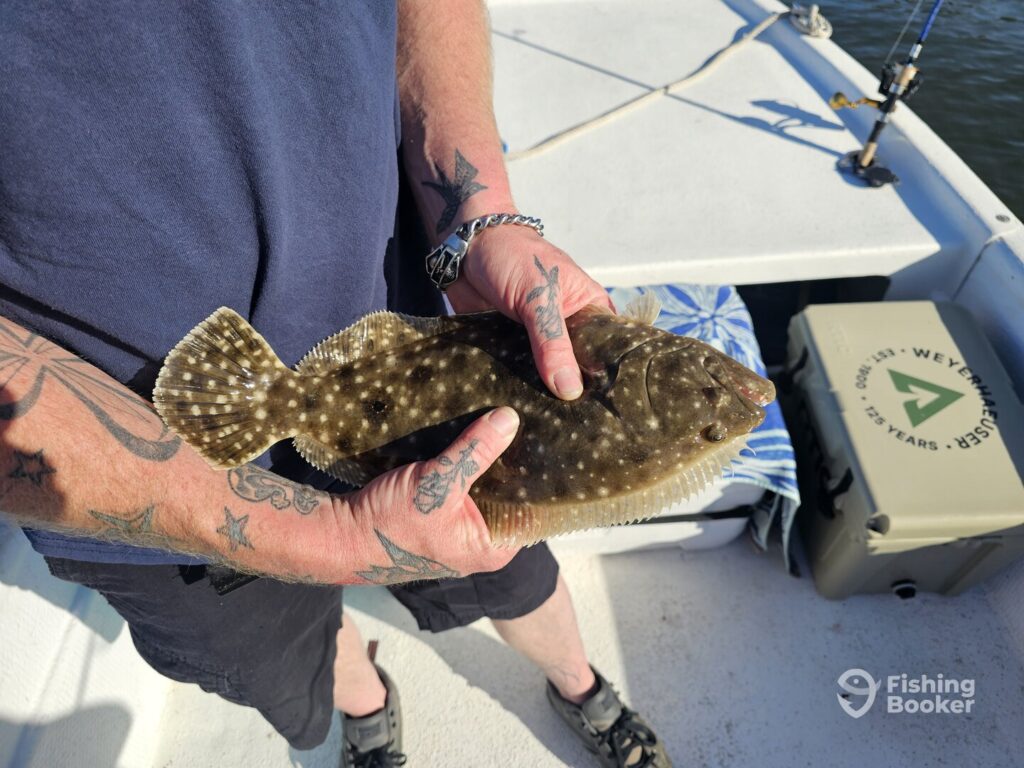
Over the years, Florida Flounder regulations have changed a bit, with the last update coming in 2021 to help maintain healthy populations. That being said, their season comes with a few key rules you’ll want to stay on top of. Whether you’re casting soft plastics along the bottom or heading out at night with a gig and lights, there are plenty of ways to target them. Let’s take a look at the three main Flounder species in Florida and their regulations so you’re ready to hit the water and pack your cooler!
Florida Flounder Regulations
There are three main Flounder species in Florida: Gulf Flounder, Southern Flounder, and Summer Flounder. While they are all pretty similar, each one is a bit different. We’ll dive into that further soon, but first let’s talk about regulations for their season. Each one actually follows the same rules, which makes things easy to remember!
In Florida, Flounder season is open mainly year-round, with a short closure from October 15 to November 30. The daily bag limit is 5 per person, with a minimum size requirement of 14 inches each. It’s also important to note that the only legal gear allowed includes spears, gigs, hook and line, seine, and cast net. The above applies to both state and federal waters off the coast of Florida. And, of course, you need a valid Florida saltwater fishing license.
Now let’s get into each species specifically – how to tell them apart, their peak seasons, and how to catch them!
What anglers said about Flounder Fishing in Florida
Florida Gulf Flounder Season
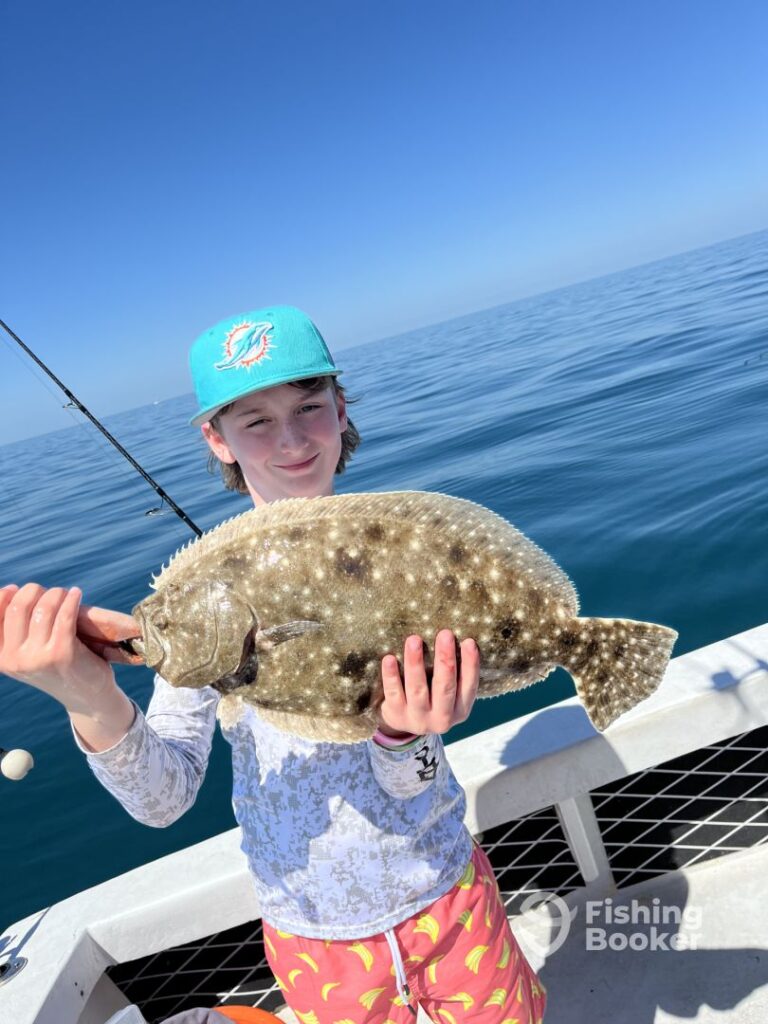
First up, we have the Gulf Flounder! We listed their harvest regulations above, but let’s talk about their peak season. Gulf Flounder hit their peak close to the closure date, giving you a great final chance at harvest. They are very active during this time because they are preparing for the cooler months, when they eventually head offshore to spawn. Dawn and dusk hours are key for targeting them, as they provide low light that helps you sneak up on them.
Like the rest of the Flounder species, Gulf Flounder are flat, oval-shaped fish. The underside (belly) is white and rests along the seafloor. They have a colored upper side with a mix of brown and greenish tones, along with white spots, which help them camouflage with their surroundings. They have two eyes placed close together near the front of their body. In addition, they have two spots on their side that resemble large eyes to distract predators. Gulf Flounder average around 14 inches and can reach up to 6 pounds.
You can find these fish all along the Florida coast, especially in the Gulf. They commonly hang around shallower inshore areas like inlets, tidal zones, grassy and rocky flats, docks, and piers. They like to camouflage as they wait to ambush passing prey such as crabs, shrimp, and small baitfish. An outgoing tide is your best chance at hooking into them, as the current pushes bait in their direction. To catch Gulf Flounder, use small live finger mullet, minnows, and shrimp, as well as small bucktail jigs and soft plastics worked along the bottom.
Florida Southern Flounder Season
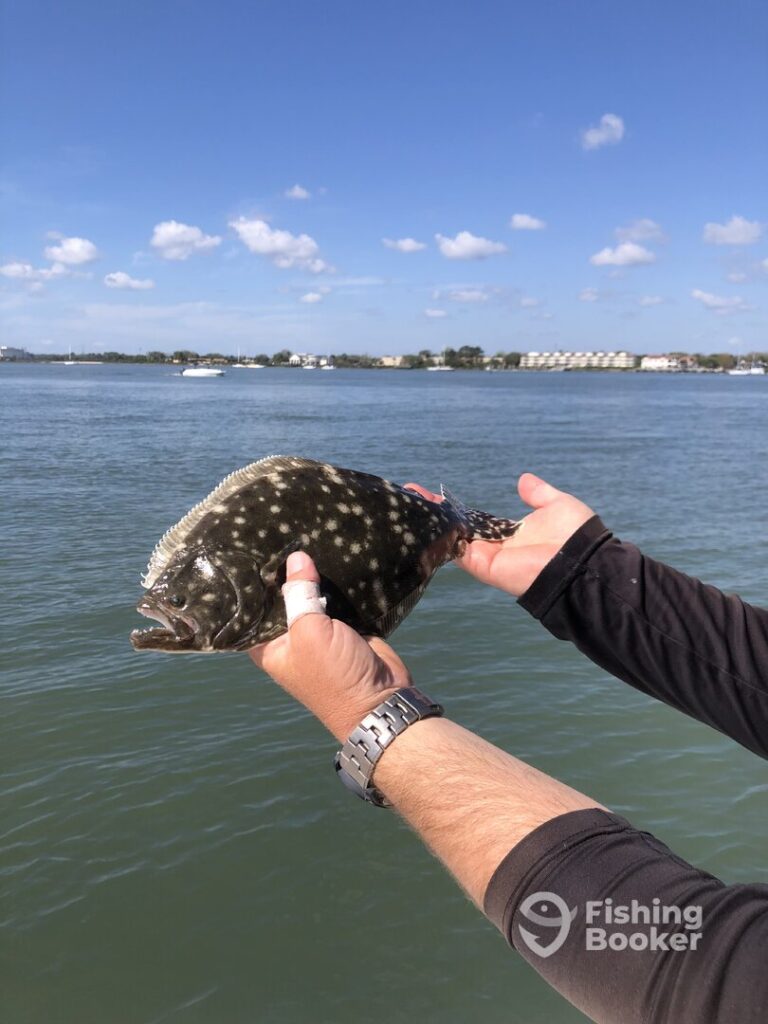
Next up, we have the Southern Flounder. Just like the Gulf Flounder, their harvest rules follow the same regulations mentioned earlier, but their peak season can feel a bit different. This is because they tend to be more active after the season opens again in the fall and into the spring. Despite the name, Southern Flounder are more prominent slightly farther north in Florida. You can mostly find them north of the Caloosahatchee and Loxahatchee rivers in brackish estuaries, bays, and rivers with muddy bottoms.
They begin to get active as temperatures cool heading into fall, and early mornings and late evenings are usually your best bet. Nighttime is also a great time for gigging Southern Flounder, especially since they are among the largest of Florida’s Flounder species, reaching an average of 20 inches. They look similar to Gulf Flounder but are darker, larger, and have bigger mouths.
As mentioned above, in Florida you’ll mostly find Southern Flounder around estuaries, creeks, river mouths, and backwater areas with softer, muddy bottoms. The key is to stick to areas with moving water. Especially drop-offs, creek mouths, and structure where bait tends to funnel through reliably produce. Like all Flounder, they are ambush feeders, waiting quietly for an easy meal. Lively, small bait are top choices, but they will also hit soft plastics and jigs worked slowly along the bottom. You’ll want to focus on a steady bottom retrieve and a solid hookset. They are notorious for shaking hooks and lures loose, so keep your line tension balanced.
Florida Summer Flounder Season
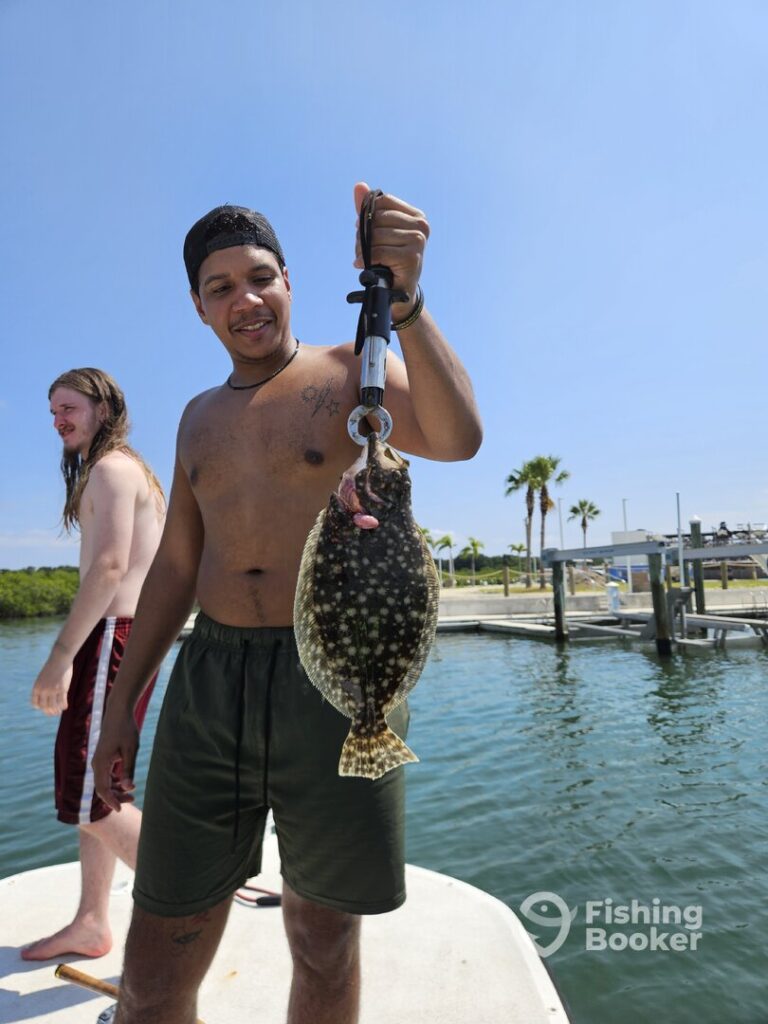
Last but not least, let’s talk about Summer Flounder. These fish aren’t as abundant statewide, as they are more commonly found in northern Florida along the Atlantic coast. Still, they’re definitely worth keeping on your radar. They follow the same harvest regulations as the other species and can be fished year-round, but they get more active in the warmer months when temperatures rise and bait is moving – hence the name “Summer” Flounder. Changing tides in the mornings and evenings also tend to be the most productive.
Summer Flounder look similar to the other Florida species but are generally darker with more pronounced spots. Like Gulf and Southern Flounder, their underside is white, and they rely heavily on camouflage to stay hidden from both prey and predators. They average around 2–5 pounds or 15–20 inches. They can be found in a mix of shallow sandy bottoms, rocky inlets and estuaries, as well as nearshore in deeper waters.
There are two main ways to target them. You can use hook and line with live or cut bait like crabs, shrimp, squid, and small fish. Or you can drag or bounce lures like jigs along the bottom in their preferred habitats. Gigging is also popular for Summer Flounder in Florida. Calm nights and clear water are essential. You can gig during the day, but they are more easily spooked, so nighttime is better. Use a light to spot their outlines, approach quietly with a gig in hand, then strike precisely to secure the fish. It may take some practice, but over time you’ll learn how to land a few for the cooler.
Florida’s Flounder Are Waiting!
Flounder fishing in Florida is a completely different experience compared to chasing fast-moving trophy fish or deep-sea pelagic species. It’s slower, more strategic, a bit tricky, but very fun. With three popular Flounder species in Florida, there’s always a chance at a solid catch.
With most of the year open to harvest and plenty of accessible inshore spots, it’s a great fishery to take advantage of. If you haven’t targeted Flounder before, now’s a perfect time to step in with rod in hand.
What’s your go-to way to catch Flounder? Jigs, live bait, or gigging? And if you’ve caught some in Florida, where did you find them and what made your catch stand out?


