



Choosing the right ice fishing shelter can make or break your time on the ice. Whether you’re shopping for your first portable ice fishing tent or upgrading to something new, understanding the differences between flip-over ice shelters and hub-style ice fishing tents will help you make the best decision for how you fish.
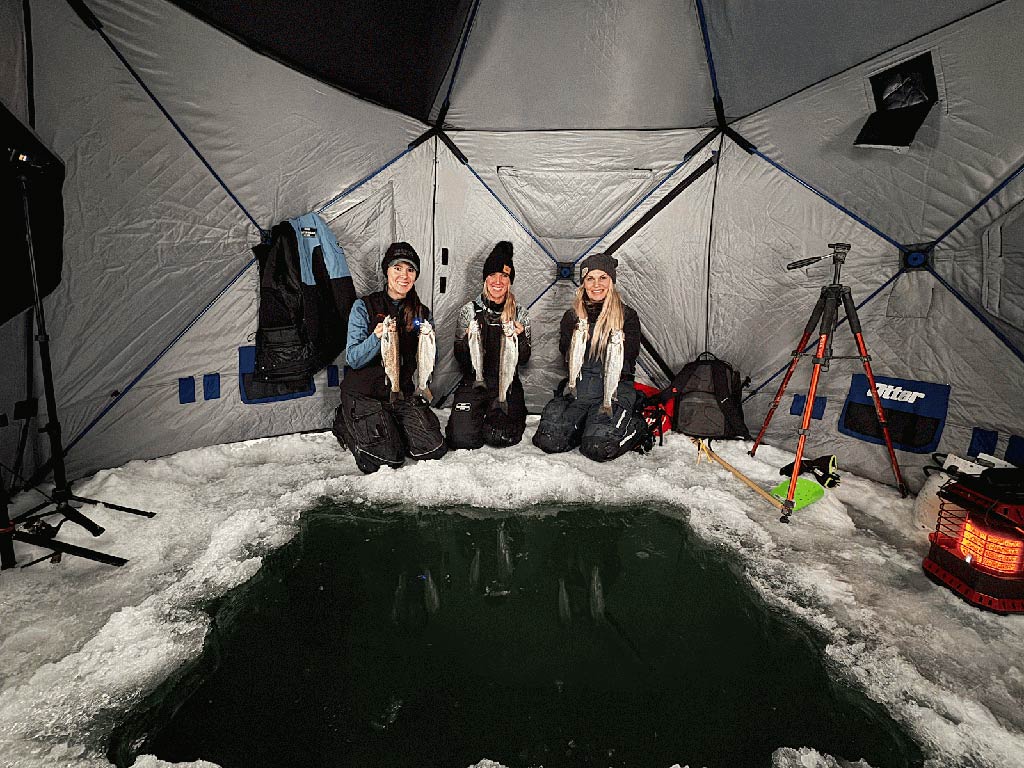
I’ve spent countless hours in both styles of ice fishing houses – from nearly every brand – and I’ve learned that the “best” ice shelter really depends on what kind of day you’re planning. Let me walk you through everything I’ve learned about these two popular ice fishing shelter styles through the years.
Types of Ice Fishing Shelters
Ice fishing shelters generally fall into two main categories: hub-style ice shelters and flip-over ice fishing shelters. I actually own and use both types of ice fishing huts, and I grab different setups depending on who I’m fishing with and what I’m trying to accomplish.
Hub-Style Ice Fishing Shelters
Hub-style ice fishing shelters are collapsible portable ice houses that pop up and resemble a camping tent, supported by a hub system at the top. These pop-up ice fishing tents range from one-person ice shelters to massive multi-person ice fishing tents that could comfortably fit four to eight anglers. You set them up over your fishing spot, drill your holes inside, and you’re ready to fish.
Flip-Over Ice Fishing Shelters
Flip-over ice shelters integrate with a sled base, making them true portable ice fishing systems. You travel with your gear loaded in the ice fishing sled, and when you find your spot, the ice shelter flips up and over you from behind. Your seat becomes your fishing chair, and everything stays connected as one unit.
Why I Love Flip-Over Ice Shelters for Serious Fishing
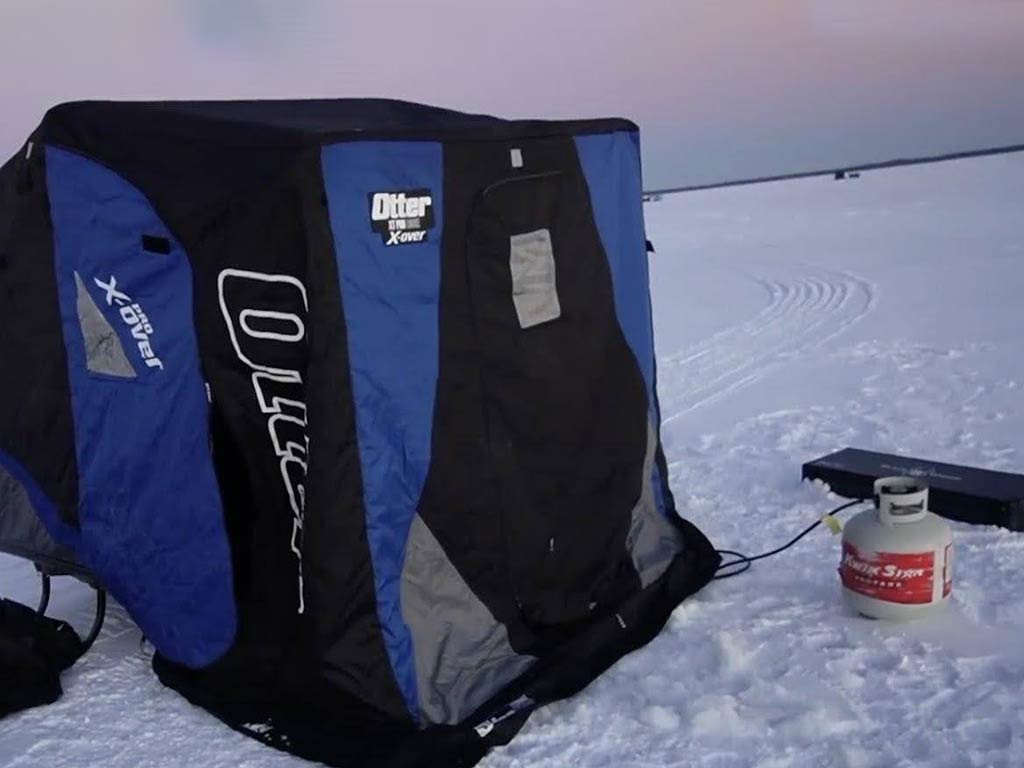
When I’m heading out to put fish on the ice, I’m grabbing my flip-over ice fishing shelter every single time. The ease of setup alone sold me on this style of portable ice house. I pull up to my spot, flip it over, and I’m fishing. No messing with hubs, no staking corners, no wasted time when the bite is hot. Best of all, they transport easily behind an ATV, UTV, or snowmobile. They never have to be disconnected, making moving a breeze.
When I’m on a school of fish and they shift, I flip down, slide over, flip back up, and I’m on them again. It takes me just seconds! I can’t tell you how many times that quick-move capability has saved my fishing day. I’ve watched guys in hub-style ice fishing tents sit on dead holes while I follow fish throughout the day.
For hardcore ice fishing, I honestly don’t think you can beat a flip-over ice shelter. Everything I need travels with me as one unit – my rods, my tackle, my heater, my electronics. I’m not hauling separate pieces or making multiple trips across the ice. When I decide to move, I just move. That run-and-gun style is how I like to fish when I’m out there to turn over numbers or find a trophy. And my flip-over lets me do it without thinking twice.
Flip-Over Ice Shelter Pros:
- Fastest setup of any portable ice fishing tents
- Ultimate mobility for following active fish
- Integrated sled keeps all gear organized
- Perfect for solo ice fishing or fishing with one partner
- Ideal for anglers who prefer run-and-gun ice fishing
Flip-Over Ice Shelter Cons:
- Higher price point than comparable hub-style ice shelters
- Limited interior space compared to pop-up ice fishing tents
- Not ideal for groups or families
When Hub-Style Ice Fishing Tents Make More Sense
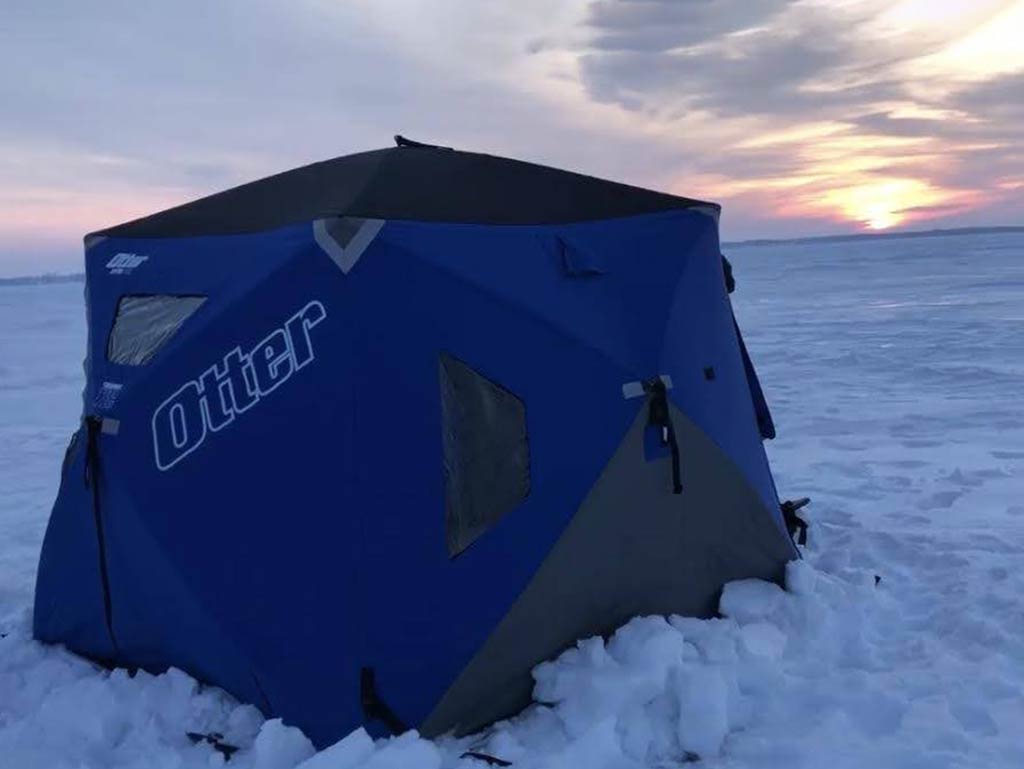
My hub-style ice shelter sees plenty of action, too. It’s the ice fishing tent I reach for when I’m taking kids out, fishing with a bigger group, or prioritizing shooting content.
When I’ve got kids with me, they need room to move around. They’re not going to sit still in one spot for hours – they need space to wiggle, take breaks, warm up by the heater, eat snacks, and just be kids. My flip-over ice shelter doesn’t work for that. However, my hub-style fishing shack provides plenty of space for this type of day.
The same goes for when I’m filming. I need space for camera angles, room to move around, and flexibility to set up shots. A roomy hub ice shelter gives me all of that. When I’m focused on getting good footage, I’m usually staying put anyway, so the mobility advantage of my flip-over doesn’t really come into play.
Hub Shelters for Sight Fishing and Ice Camping
Hub-style ice shelters also really shine for sight fishing. When you’re targeting Panfish or other species in clear water, you want a dark interior that lets you peer down into your hole and watch fish react to your presentation. The larger footprint of a hub shelter means you can either sight fish or spear (depending on your local regulations) comfortably. There’s nothing quite like seeing fish attack your jig in real-time. For dedicated sight fishing, a hub shelter with good blackout capability is tough to beat.
Hub shelters are also the obvious choice if you’re into ice camping. When you’re spending the night on the ice, you need space to sleep, store gear, and actually live in your shelter for an extended period. A roomy hub gives you that living space – room for cots or sleeping pads, space to cook, and enough square footage that you’re not going stir crazy by hour three! Try spending a night in a flip-over and you’ll understand why ice campers gravitate toward larger hub-style ice houses.
Hub-Style Ice Shelter Pros:
- More interior space for the price
- Perfect for family ice fishing trips
- Ideal for fishing with groups
- Great for content creators who need room to film
- Generally more affordable than flip-over shelters
Hub-Style Ice Shelter Cons:
- Less mobile once set up
- Takes longer to break down and move
How to Choose the Right Ice Fishing Shelter
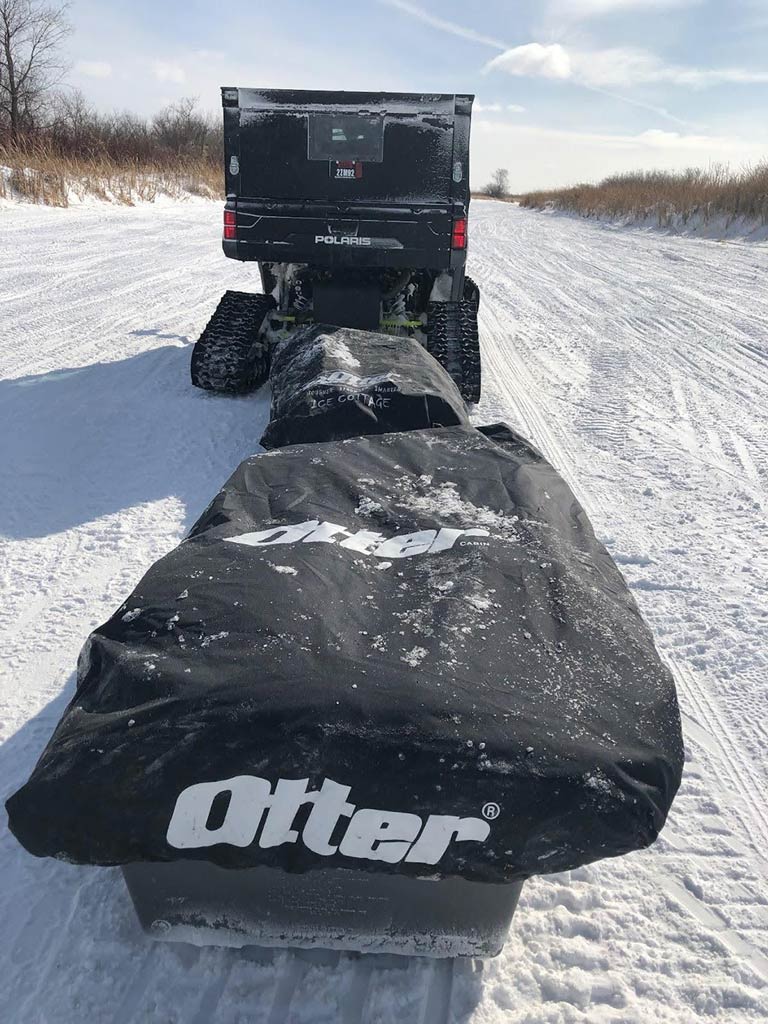
When it comes to choosing the right ice fishing tent, you can never go wrong having both on hand. Here’s how I think about selecting the best ice fishing shelter for different situations:
Choose a Flip-Over Ice Shelter If:
- Ice fishing solo or with one buddy most of the time
- You hate sitting on dead water and want to stay mobile
- Following active fish is your priority
- You’re serious about catching and don’t want your ice shelter slowing you down
- You prefer a run-and-gun ice fishing style
Choose a Hub-Style Ice Fishing Tent If:
- Ice fishing with family or kids
- You want room for a group of anglers
- Filming content or need extra space for gear
- You’re on a tighter budget for your ice fishing shelter
- You like to ice camp or sight fish
- You don’t mind committing to a spot for the day
Consider a Smaller Pop-Up Hub Ice Shelter If:
- You want something portable but prefer the pop-up style over flip-overs
- You’re new to ice fishing and want a versatile first ice shelter
- You need a budget-friendly option while you figure out your preferences
Important Ice Fishing Shelter Features to Consider
Whatever style of portable ice fishing shelter you choose, pay attention to these features that make a real difference on the ice.
Insulated Ice Shelters

Almost all ice shelters today are made insulated. However, when searching the used market, you may find some of the older models that are very cheap are uninsulated. If you’re on a strict budget, these models, particularly in a flipover style, will work on warmer days while giving you the portability you need to find fish. However, whenever possible, I highly recommend only utilizing an insulated shelter.
Ventilation in Ice Shelters
I run a heater in my ice fishing shelter, which means I need proper airflow. Every ice shelter I buy needs adjustable vents, and I actually use them. Carbon monoxide buildup in an enclosed ice fishing tent is a serious safety concern. Proper ventilation in your ice house isn’t optional!
Ice Shelter Anchoring Systems
If you have a flipover, it’s likely attached to some sort of ATV/Sled, allowing you not to worry about it blowing across the lake. However, with a tent, you need to anchor it.
Most quality portable ice shelters include ice anchors or have attachment points. I anchor down my ice fishing tent even when conditions seem calm, because the weather on the ice can change quickly. To do this efficiently, I highly recommend getting an attachment from one of the manufacturers and screwing down the anchors with a drill.
Ice Shelter Durability and Build Quality
I’ve owned cheap ice fishing shelters and I’ve owned quality portable ice houses. The cheap ones didn’t last more than a season or two. Better materials, stronger hubs, heavier-duty fabric on your ice fishing tent… It costs more upfront, but you’re not replacing your ice shelter every couple of seasons. It also keeps you warmer.
Best Ice Fishing Shelter Brands to Consider
When shopping for a new ice fishing shelter, several brands consistently produce quality portable ice houses. Look for established ice fishing shelter manufacturers with good warranties and available replacement parts. The three most common brands include Otter, Eskimo, and Clam.
Get Your Ice Fishing Tent and Enjoy This Winter!
There’s no single best ice fishing shelter for everyone. I keep both a flip-over ice shelter and a hub-style ice fishing tent because they serve different purposes on the ice. When I want to cover water and stay on active fish, nothing beats my flip-over. When I’m making memories with kids or need space to create content, the hub shelter comes out.
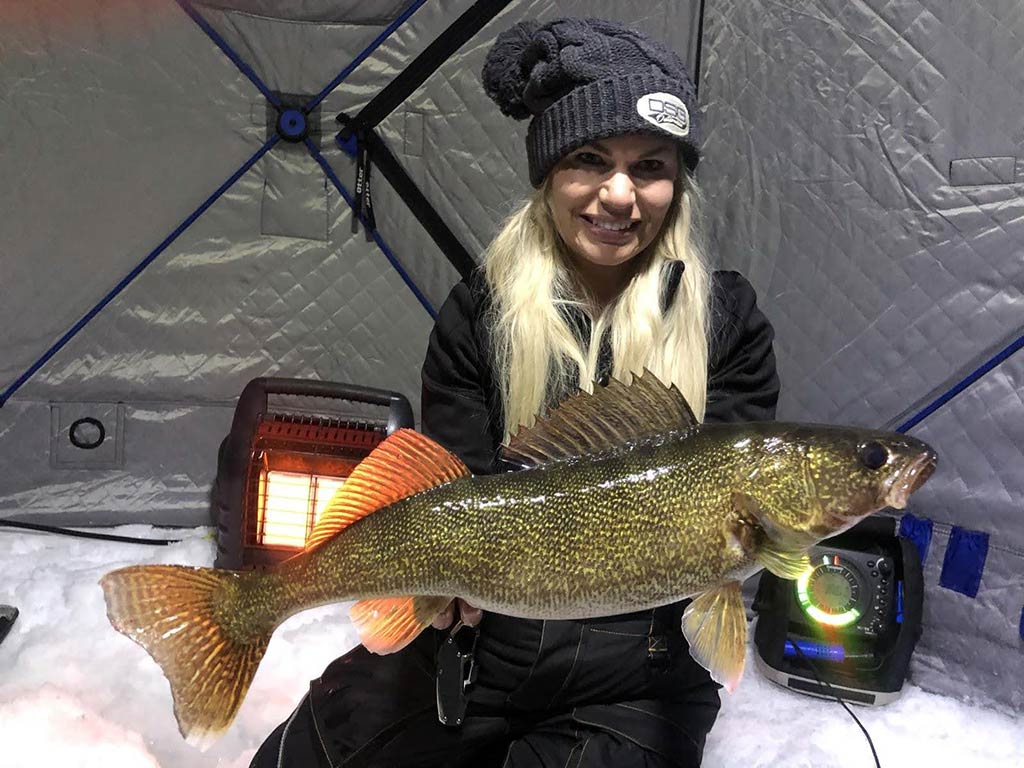
Think about how you actually ice fish, who you fish with, and what matters most to you out there. Then, pick the portable ice fishing shelter that fits your needs. You’re going to spend a lot of hours inside your ice house, so make sure it’s something that keeps you comfortable and keeps you fishing longer.
Whether you choose a flip-over ice fishing shelter, a hub-style ice tent, or decide you need both like I did, the right portable ice shelter will extend your season and make every trip on the hardwater more enjoyable.
Are you an ice fishing enthusiast? What kind of tent do you prefer? Share your experience and stories away in the comments below!


