The city of the “World’s Most Beautiful Beaches” has a lot to offer to any visiting tourist, thanks to its stunning, sugar-white sandy beaches and amazing weather. A Panama City Beach deep sea fishing adventure has to top the list though! While there’s great fishing to be had all over the city, the vast blue waters of the Gulf of Mexico are unparalleled. Check out our video for all the info you need to know before you book your deep sea fishing trip.
What makes deep sea fishing in Panama City Beach stand out? Well, its geography, the Gulf Stream, artificial reefs, and overall accessibility are just a few factors that come to mind. Not to mention, there are plenty of PCB fishing charters available that are ready to take you far off the coast for an unforgettable experience.
In this video, we'll run through the top catches, best spots to find them, which techniques to use, and everything else you need to know before you head out.
Now, you already know the Gulf is home to some pretty impressive species, but what exactly can you catch offshore from Panama City Beach?
There's everything from delicious bottom dwellers to tough fighting billfish, depending on how far you go. Whatever you decide to target, you're in for an unforgettable adventure. We'll start our list of top deep sea catches in Panama City Beach with one of
Florida's most loved fish, Red Snapper. When the season hits in mid June, anglers from all over the world flock to the Panhandle to get in on the action, and PCB is at the center of it all. You'll have to book fast to avoid this appointment though as charters sell out in the short season that runs from June through July.
If you're lucky, there may be another season come fall with certain weekends in October and November earmarked for snapper fishing once more.
Along with snappers, groupers and Amberjacks are firm favorites when bottom fishing offshore. Gag, red, and black groupers are all available, but they're usually off limits during the first five months of the year. Amberjack, however, can only not be kept in June and July, so keep this in mind if you know what you want.
Moving further offshore, you'll come into contact with Mahi Mahi, wahoo, and even blackfin tuna.
All three species peak in the summer months, giving you plenty to go after when trolling the open waters. And that's just scratching the surface of what's on offer.
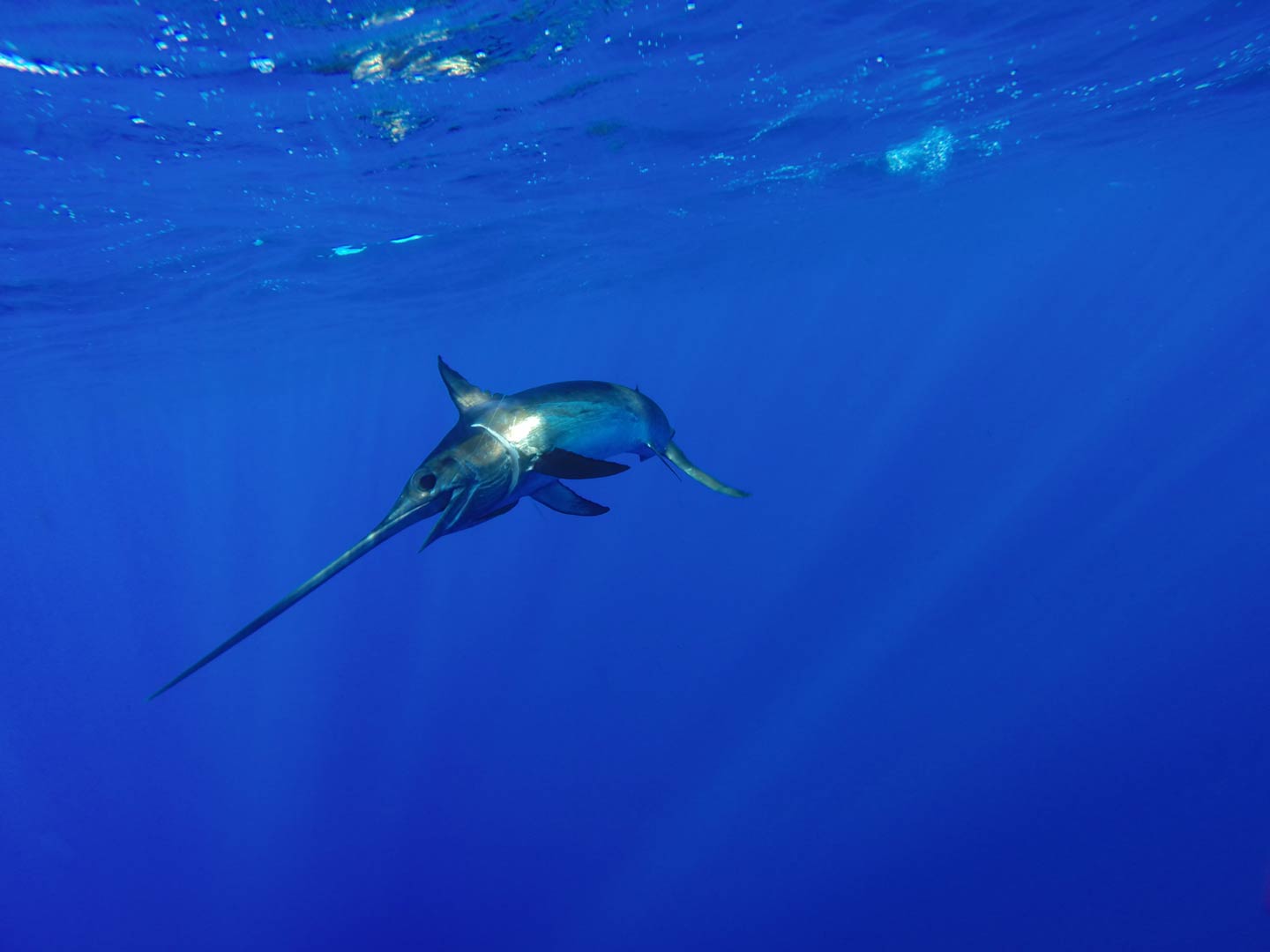
Heading out into even deeper waters, you'll get to enjoy big game fishing the way it was meant to be experienced. We're talking impressive billfish species from sailfish and marlin to huge swordfish.
It's not uncommon for around a dozen hookups in one day or even at night when swordfishing is at its best.
Come in summer for the hottest action as they follow the warm water north before heading back south to the Keys for winter.
So you know you have to hit the deep sea fishing grounds to start catching some of these fish. Thankfully,
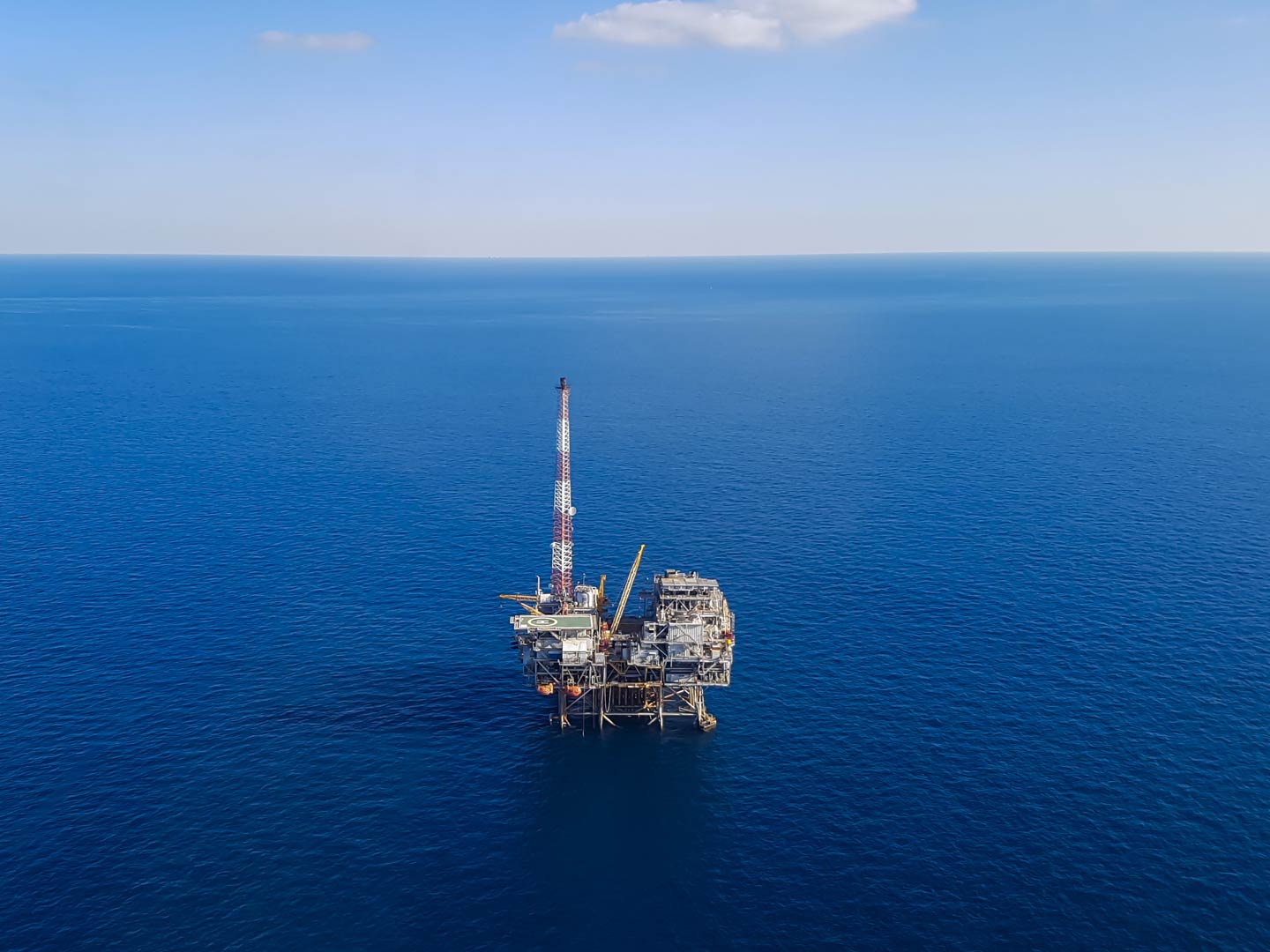
local Panama City Beach deep sea fishing guides know exactly where to find the sweet spots. Holiday Beach, Crescent Beach, Marlin Cove, and Hampton Harbor are just a few of the spots they'll depart from, and you can check them out by downloading the Fishing Booker app or by just visiting us online. Your guide will take you along the deepwater reefs and wrecks to hunt for snappers and groupers before you start looking for topwater feeders like tuna, mahi mahi, and wahoo as you head out to even deeper spots. When you reach the drop offs, canyons, and continental shelf, here's where you'll start to find massive Billfish. Keep on going and you can hit some oil rigs around one hundred miles offshore, where everything is available in greater sizes and numbers.
In order to catch the range of fish on offer out of PCB, you're going to want to mix and match your fishing techniques. One staple of the deep sea fishing scene is trolling. This involves dragging multiple lines behind your boat, mimicking bait fish as they swim along the top of the water column. You'll entice the bite of a range of offshore species with this technique including mahi, wahoo, tuna, and billfish.
And once they bite, the fight is on. Along the reefs and out near the oil rigs, you'll most likely be trying some form of bottom fishing. This involves mimicking bait fish, but this time to entice bottom feeders like snappers, groupers, and amberjack. You can drag your bait along the ocean floor or pull your bait up and down in a jigging motion.
Either way, you'll have a good chance of enticing a bite.
Before we let you go, we just want to run through a few extra things you should know. As we mentioned earlier, there are some strict seasons when it comes to certain fish species with Red Snapper, Grouper, and Amberjack all heavily protected at different times of the year. Likewise, you'll have to release almost all billfish you catch, although some captains will let you keep a swordfish to take home. The good news is that when fishing aboard a licensed Florida fishing charter, licenses for all onboard are covered, so that's one less thing to worry about. If you're fishing without a licensed captain, you'll need to purchase one on your own. For more information on Florida fishing licenses, be sure to check out our full blog article or visit my f w c dot com for the most up to date rules and regulations.
So
when you're finally ready, download the FishingBooker app to browse the largest selection of deep sea fishing charters in Panama City Beach. You'll be able to compare prices and amenities, read customer reviews, and book your trip fast and easy. So what are you waiting for? Download the app or visit us online and get ready for your deep sea fishing adventure in PCP today.
The Florida Panhandle is famous for its offshore fishing, and Panama City Beach offers incredible access to the deep sea honey holes in the area. Reefs, wrecks, oil rigs, or the open ocean – it’s all in the cards!
We’ll break down everything you need to know about the PCB deep sea fishing scene. So by the time you’re done reading, you’ll be more than ready for this challenge.
What to Catch
As you can see, there’s a lot roaming around the deep waters off the coast of this Florida city. No matter where you go, you’ll have your hands full, so let’s see what species top the list for the most targeted fish in this part of the world.
Snapper/Grouper
Both Snappers and Groupers are beloved by local anglers, mostly thanks to their delicious meat. But, that’s not the only reason people go after them! They’re exciting to catch as well, putting up a great fight at the end of a line.
The most famous out of the bunch has to be the iconic Red Snapper. It’s a synonym for reef fishing in the area and, when the season is open, it’s Red Snapper frenzy! These hard-fighting species love roaming around the deep waters off the coast, and around reefs and wrecks. So a Panama City Beach deep sea fishing trip is the best way to make sure you’re in on the fun!
When it comes to Groupers, they might not be the prettiest fish to look at, but they more than make up for it with their game and food qualities. Gag, Red, and Black Grouper are the ones you’re most likely to encounter on your trip, as they tend to feed around structure in the waters off the coast of Panama City Beach.
Amberjack
Amberjack is another staple of Panama City Beach deep sea fishing. With uncountable natural and artificial reefs in close proximity to shore, it’s no surprise these feisty creatures found a home here. You’ll find them around any structure in the area, so just find your spot and sink your line.
The best time to head out for some Amberjack fishing is spring and fall. Most reach sizes of 20–40 pounds, but larger specimens have been caught here as well. They enjoy warmer temperatures, which is why the waters of the Sunshine State are their perfect habitat.
You won’t have to worry about the perfect bait, either, as Amberjack will devour almost anything you throw at them. The real challenge here is the fight they put up, and trust us, they do put up a mean fight!
Mahi Mahi
One of the most distinguished fish species that inhabit the Gulf of Mexico, these yellow-green critters have more than just a pretty face. Mahi Mahi are known for their looks, but their fighting spirit might be even more revered. If you’re looking for an all-rounder – a good challenge, an amazing photo, and a delicious dinner, look no further!
Panama City Beach has a healthy population of Mahi Mahi, and you can find smaller ones swimming fairly close to shore. But the record-breaking specimens are roaming in the really deep waters. Head further out and you’ll surely get the fight of your life. Mahi Mahi don’t give up easily!
Tuna
Any variety of Tuna is a prized catch in itself. These highly-revered species have a special place in Florida, with Yellowfin and Blackfin Tuna taking the top spot. Tuna is the name of the game in fall, when the biggest ones tend to hang around the drop-offs. You can also target Little Tunny and Atlantic Tuna in these waters.
Heading out in search of this magnificent fish is a real feat, as it often becomes a battle of wills. If you’re looking for the really big specimens, the waters off the coast of Panama City Beach offer incredible opportunities. Sail away around 20 miles from shore where the biggest creatures tend to congregate, and you’re in for a real show!
Billfish
Catching a member of the Billfish family is every fisherman’s dream. Encompassing Marlin, Sailfish, and the ever-elusive Swordfish, it’s not hard to see why these fish are at the top of the list for any hardcore angler. You can catch all of these just miles away from shore, as Panama City Beach has access to some very prolific waters.
Hop on a boat and do some trolling for Marlin, maximizing your chances of reeling in this hard-fighting creature. If you want to try something new and exciting, kite fishing for Sailfish is a special adventure.
And if you’re looking to take home that delicious Swordfish steak, head over to the really deep waters and do some deep dropping. Whatever you choose, you won’t get bored with any member of the Billfish family!
And More!
There’s so much much where all that came from. While the above might be on the top of the list for anglers visiting the offshore waters of Panama City Beach, there’s a lot more lurking underwater. Cobia, Wahoo, and King Mackerel are all worthy of your attention, so just head on out and test your luck.
Recent Panama City Beach Catches
Fresh fishing reports from anglers
What techniques should I use?
So, you know you want to get a taste of Panama City Beach deep sea fishing, but you’re wondering what that’s going to look like. We’ve got you covered! There’s a variety of fishing techniques you’ll likely try out, so let’s dive into what makes each of them special.
Bottom Fishing
If you’re looking for the perfect Sunday meal, heading out to the reefs and wrecks off the coast of Florida, then you should definitely try bottom fishing. There are numerous spots just miles away from shore that hold some of the most delicious bottom-dwelling fish.
Snappers, Groupers, and Amberjack tend to be the most popular here. Red Snapper is particularly sought-after by local anglers, and they can get over 20 pounds big, making them a very fun target.
As you move away from shore, these creatures get bigger and bigger. So if breaking some records is what you’re after, head out further offshore and hit the floating oil rigs in the deep waters of the Gulf. Big Amberjack and a myriad of Groupers and Snappers are more than ready to take your bait!
Deep Dropping
Here’s one reserved for the truly adventurous among you! If you’re looking to reel in a true king of the deep – Swordfish – this is one bottom fishing technique you should get familiar with. Panama City Beach is the perfect place to head out of on a swordfishing adventure, as you can hop on a charter and easily visit waters 2,000 feet deep.
If you’re heading out on an overnight charter, you won’t have to drop your bait that deep. However, if you want to see a Swordfish leap out of the water against a blue backdrop, you’ll need to sink your line all the way down.
With the right equipment and electronics, as well as an experienced captain, you won’t have any issues finding a productive spot. All you have to do is muster all your energy when the time to fight this ferocious fish comes!
Trolling
Hands-down the best way to reel in the Gulf’s pelagics, trolling is a fun way of spending a day in the sun. The biggest advantage of trolling these waters is that you can have multiple lines in the water at the same time. The bait will follow your boat mimicking the prey of big offshore species like Tuna, Mahi Mahi, Wahoo, King Mackerel, and Marlin. Once they bite, the game is on!
What makes trolling an especially fun way of fishing the deep blue waters is that you can cover a lot of ground in search for fish. You can easily move around and make sure your trip is productive by following the Gulf’s predators. There’s a variety of charters ready to take you out, and your captain will be able to fill you in on everything you need to know.
Kite Fishing
If you’re feeling extra adventurous, kite fishing might be just the thing for you. It’s one of the most exciting ways of targeting fish in Panama City Beach, and Sailfish is the most popular species anglers tend to go after using this technique.
What makes kite fishing so special is that even if the fish don’t take your bait, the show they’ll put on is worth the hassle. You’ll see smaller fish jumping out of the water with Sailfish trailing right behind. This means live bait is your go-to choice when kite fishing. When the wind conditions are right, it’s the most fun you can have in these waters!
When should I go on a Panama City Beach deep sea fishing trip?
Panama City Beach boasts amazing weather throughout the year and some of the best views in the state of Florida. This makes any time a great time to visit and sink a line here.
That being said, you should plan your trip according to what you want to catch. For a prolific deep sea adventure, the high season is during the summer months when the deep waters are inviting and you can catch the most fish.
If Red Snapper is your thing, you should visit in June/July when the season opens. If you’re big on Billfish, July is when the action happens. Mahi Mahi and Amberjack are great all summer long, while the Tuna season starts in summer but peaks in September.
Anything else I need to know?
While you can technically fish in these waters all year round, there are certain regulations you’ll need to abide by. Anyone over the age of 16 should have a Florida fishing license. Take a look at the video below or read our guide to learn more about Florida fishing licenses and how to get one.
Hi guys, I’m Mark,
and today we’ll be going over how to get a fishing license in the beautiful state of Florida. There are lots of questions on the internet about who needs a fishing license, whether you need one when you’re hopping on a charter boat, and what are some of the exceptions. So, I’ll try to address some of these questions so hopefully you spend less time looking for answers and more time fishing. Luckily, getting the right type of fishing license in Florida is super easy.
And since you can fish without a license on a charter boat or even on a licensed pier, Florida is probably one of the easiest states to plan a fishing trip in. Since Florida offers such a wide variety of fishing packages, it’s important to know which one is right for you.
The two main types of licenses are saltwater and freshwater licenses. Just some words of advice, if you’ll be fishing in brackish water or anywhere where you might be targeting a mixture of both freshwater and saltwater species, I recommend getting both types of licenses.
The last thing you want to do is hook a fish that you’re not covered to catch and get a fine because of that.
The good news for visitors coming to Florida is that all saltwater fishing charters cover licenses for everyone onboard, so you don’t have to worry about purchasing one on your own. However, if you choose to fish with a guide in freshwater, you will need to purchase your own license. You can fish for most species with a regular saltwater or freshwater fishing license.
However, there
are some species that require additional tags. These include Snook, Tarpon, and Spiny Lobster. Also, be aware of seasonality for certain species, such as Red Snapper in federal waters. These rules can change year-to-year, so just be sure to stay up-to-date with any local regulations and you should be good.
Long story short,
all non-residents over 16 and any resident aged between 16 and 65 will need to purchase a fishing license before heading out. Also, this is very important to know: anyone involved in any type of fishing activities also needs to purchase a fishing license. For example, if you’re helping your friend by baiting their hooks or setting up any of their gear, you will also need to purchase a fishing license. Again, as mentioned earlier, if you’re hopping on a saltwater charter you will not need to buy a fishing license.
You don’t need a license to fish from a licensed pier in Florida as well. Florida residents with severe disabilities can fish for free with a Florida Resident Disabled Person Hunting and Fishing License. Military personnel from Florida can fish for free if they’re visiting home for up to a month. Florida residents receiving benefits or food stamps from the government can do land-based saltwater fishing without a license.
Any Florida resident can get a free shoreline fishing license, which allows you to fish for saltwater species from land or from structures that are attached to land. If you are 65 and over, and are from out of state, you will still need a regular salt or freshwater fishing license. However, senior Florida residents can fish for free but must bring proof of age and address. Anyone who’s eligible to fish without a license should make sure to bring proof that they are qualified to do so in order to show to the Coast Guard.
For instance, children under 16 should bring proof of age with them at all times. If you’re caught fishing without a license and you’re eligible for one, you will have to pay the cost of the license plus an additional fine. The penalty starts usually at $50, so make sure all your paperwork is in order before you head out on the water. The easiest
way to purchase your Florida fishing license is online and you can do so at Gofloridaoutdoors.com
or by visiting the Florida Fish and Wildlife Conservation Commission’s main website. You can also buy it over the phone. Just call the toll-free number 888-FISH-FLORIDA or 888-347-4356. They’re available at all registered retailers such as Walmart, tax collector’s offices, and registered bait and tackle shops across the state.
Annual fishing licenses in Florida are valid for 12 months from the date that they were issued. The expiration date will be printed on the license itself. Once it expires, you can renew your fishing license at any official retailer. If your fishing license is lost or stolen, you can purchase a replacement for only $2.
For the most part, your license is usually only valid in Florida but there are some interstate waters that border with Georgia where you can fish with your Florida license. These are St. Mary’s River and Lake Seminole.
Now that you have all the information you need, you can finally get out there and test out the waters of the Sunshine State!
For more information, be sure to check out our full blog article that goes into more detail about how to get a Florida Fishing License. Tight lines!
However, you’ll probably head out on a fishing charter, which means the captain will cover your license. Your captain will also be to help you keep track of important information, and they’ll make sure you’re always fishing within the law.
Get Ready, Go Deep!
And you’re all set. By now, you have all the information you need in order to plan your Panama City Beach deep sea fishing trip. Reefs, wrecks, oil rigs, the open waters of the Gulf… Whatever experience you gravitate towards, one thing’s for sure – you’ll have the time of your life! With so much fish all around you, how can you not?
Have you ever visited Panama City Beach and its deep offshore waters? Tell us all about it in the comments, or ask anything you’d like to know. We love to hear from you!
Vule is a biologist with a love for the natural world, writing, and technology. As a kid, he used to go camping and fishing with his father, falling in love with the experience of being in the wild. Today, he writes about fishing, and when he’s not writing, you’ll probably find him chilling by a river somewhere.
Share this post with friends
Comments (12)
Michelle Woods
February 18, 2022
Feb 18, 2022
Very excited to be there in May 2022
Marko
Replied on
February 21, 2022
Feb 21, 2022
Hi Michelle,
Hope you have an awesome time! May should offer plenty of action so let us know how your trip went. 🙂
Tight lines,
Marko
View all replies
Jerry Gehrey
February 15, 2022
Feb 15, 2022
OMG, I love PC and PCB. Lived in PA went into the AirForce and right out of Basic training I got stationed at Tyndall AFB. And the rest is history. Fell in love with the area and the fishing. Got into flounder giving. Had a boat built and bought a home there when I retired from the military. I now live in PA and think about the gulf coaster and it total beauty.
Gary Davis
February 14, 2022
Feb 14, 2022
The first time I went deep sea fishing in PCB I was only 6 or 7 years old. My parents and brother were with me and I hooked a 19 and a half pound Red grouper and my mom caught a 21 and a half pound black grouper. I fell in love with deep sea fishing. It’s only a matter of time till I move back there.
Vuk
Replied on
February 15, 2022
Feb 15, 2022
Hi Gary,
Thanks for getting in touch and sharing your story! We hope you get a lot more fishing done in PCB with your family and friends in the future.