



Popping corks are known for their effectiveness when targeting Redfish and Speckled Trout. But they’re also productive when targeting a range of other species. Just about any predator that feeds in relatively shallow water or near the surface can be caught under a popping cork, which is one of the reasons why it earned a spot on our list of the best rigs for saltwater fishing!
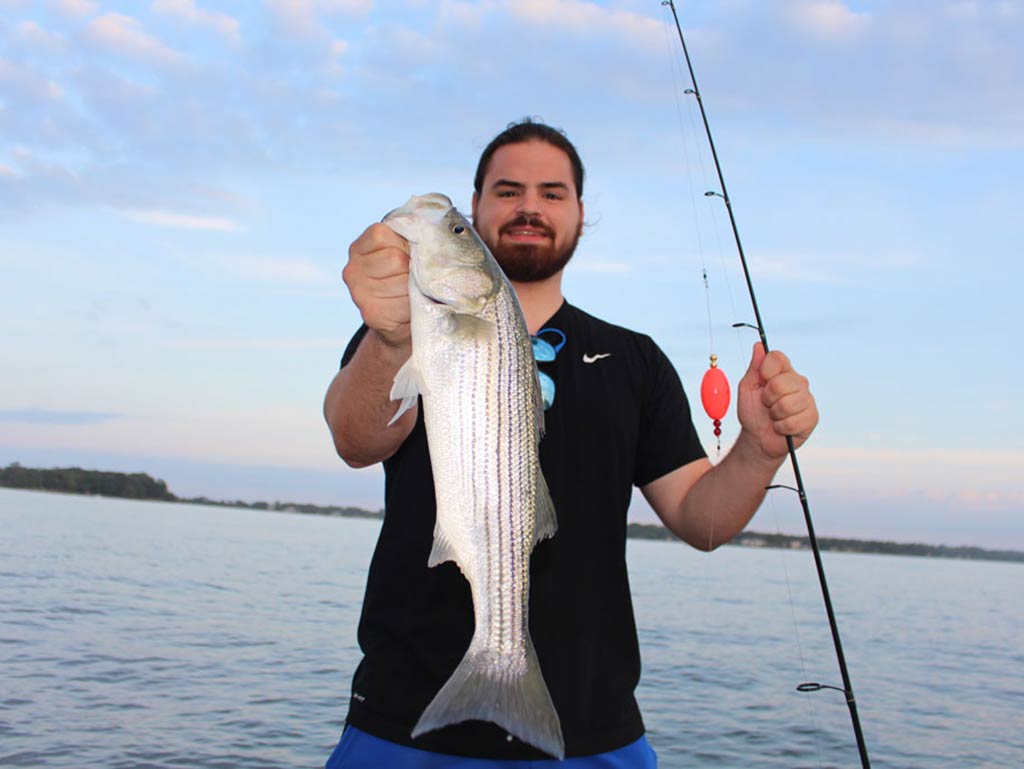
Are you ready to run right out and grab some popping corks? Excellent. But before you start casting, commit the following tips to memory. Put them to work, and you’ll do as much catching as popping.
1. Pop-Pop-Pause
You should try fishing popping corks with a “pop-pop-pause” cadence. Hits will usually come on the pause. So, jerk the cork underwater, and you’ll know to set the hook.
2. Vary Your Speed
Mix up the speed of your pops and pauses until you discover what the fish want on any given day. A 3–5 second pause is a good starting point, but sometimes the fish react well to quicker pops and longer pauses. Other days, they want slow popping and a short pause, and so on. The key is to change things up until you start getting strikes.
3. Pop Hard
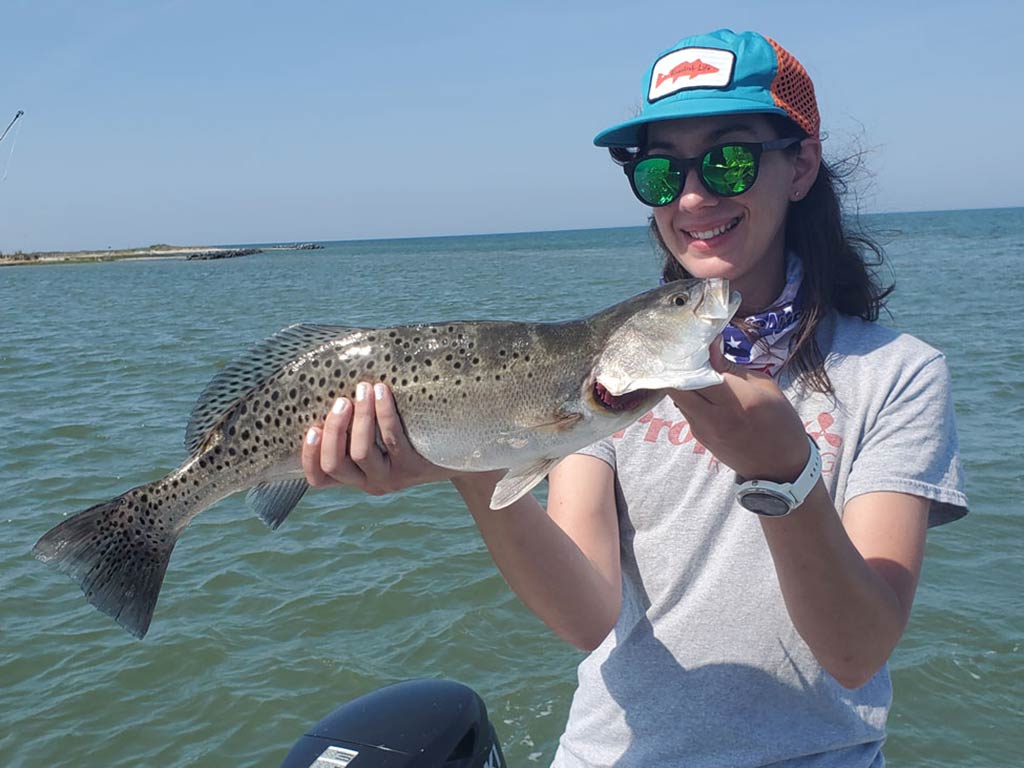
Make sure you pop the popping cork hard enough to rattle the beads on its wires. The clicking and clacking of those beads is usually what draws in curious predators.
4. Try Rounded Corks
Remember that popping corks can cause quite a racket—and in very calm conditions, those that chug can be enough to spook the fish. When the water is like glass, try rounded popping corks rather than concave poppers and use gentler pops. When it’s rough, try making the cork chug at maximum volume.
5. Fish Underwater Weedbeds
Reach for a popping cork anytime you’ll be fishing around underwater weedbeds. They allow you to suspend your offering just above the weeds when sinking lures like spoons or jigs would become snagged or fouled in no time. Set the length of your leader so the bait or lure hangs 6 inches to a foot above the weeds.
6. Ensure Enough Weight
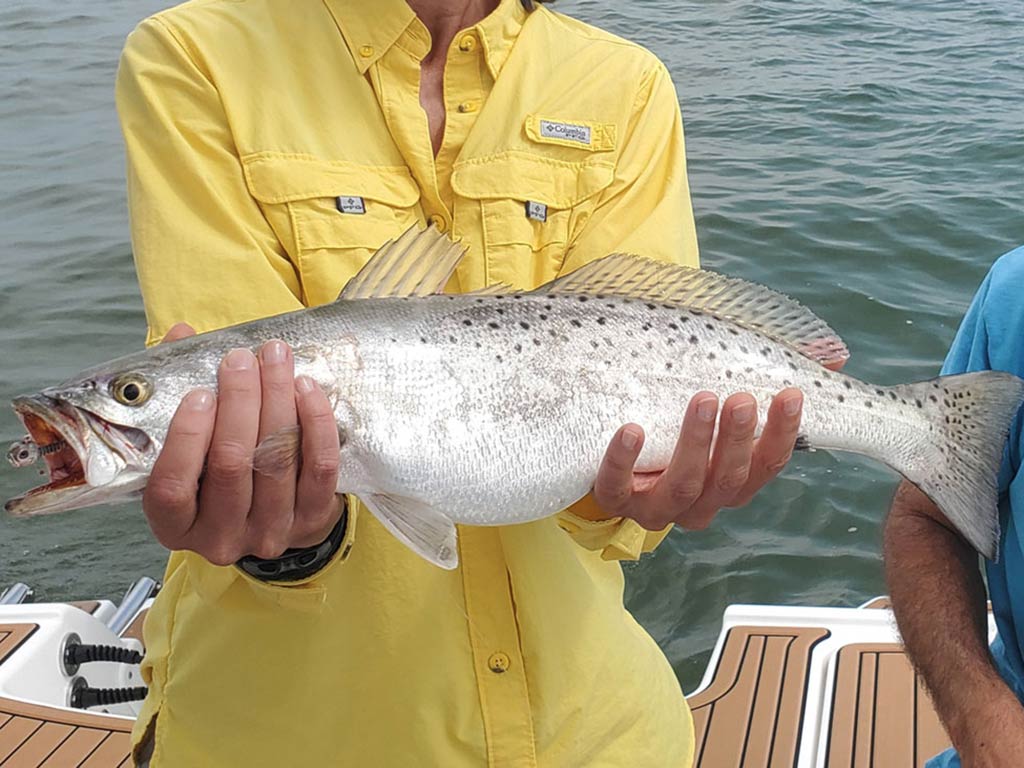
Make sure to use a lure or bait with enough weight to keep the cork upright—not laying on its side—when floating. Otherwise, the beads on the cork won’t make that clicking and clacking, and draw the fish’s attention. When using light baits (like live shrimp), rigging up with a jighead rather than a plain hook will help weigh it down.
7. Utilize Different Colors
The color of your popping cork doesn’t usually make too much of a difference in the catch, but you still want to have corks of different colors. That way, you can rig up several rods with different-length leaders. Sometimes, a difference of just 6 or 8 inches can have a huge impact on the results—and can tell at a glance which is which. It can also help you differentiate between your cork and those cast out by other anglers you’re fishing with.
8. Pair with Live or Artificial Bait
When the bite is slow, stick with live bait under the cork. But when it’s hot, use an artificial. Live bait usually draws more strikes, but rebaiting after missed strikes or catching a fish will slow you down.
9. Upsize Your Rod
Remember that popping corks add a good bit of weight and bulk to your rig. When using them, you may want to upsize your rod from the one you’d use when casting light lures for the same size fish. The 6′ 6″ light action rod you might use for casting a quarter-ounce jig to Speckled Trout, for example, could prove a bit under-gunned for slinging a big popping cork.
10. Use a Popper during Surface Frenzies
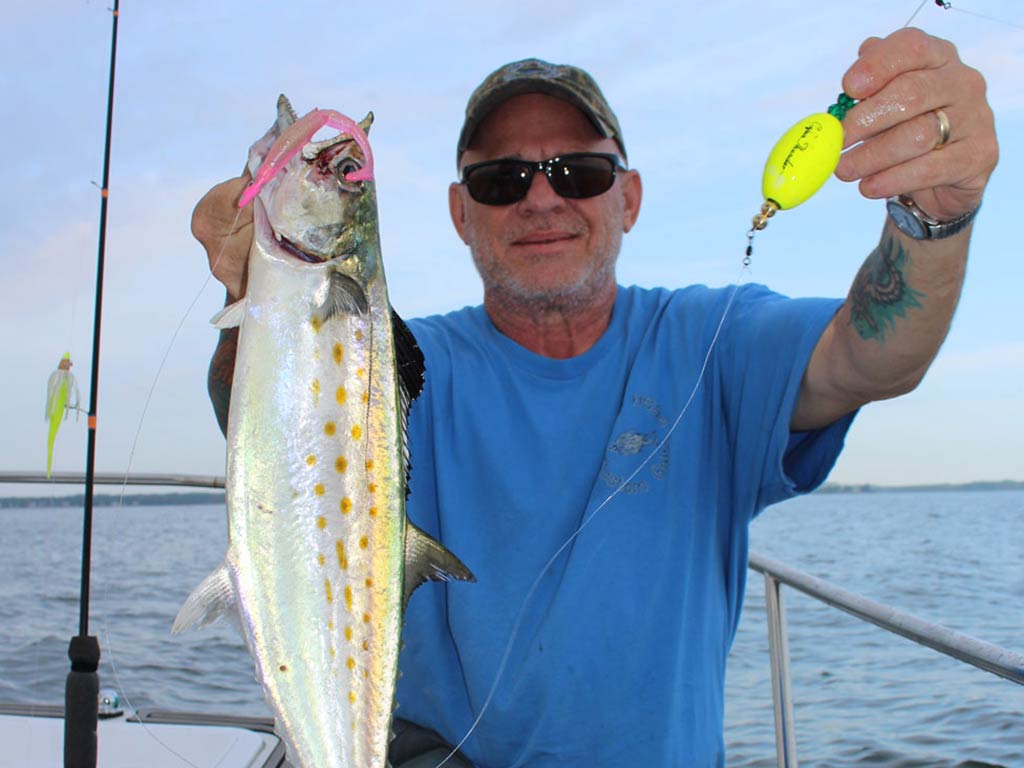
You should also reach for a popping cork when you see small fish breaking the surface. The popping can attract the attention of the largest fish in the school during the chaos of a feeding frenzy. However, for some specific species that want fast-moving baits (like Spanish Mackerel), it’s more effective to pop and chug the rig for your entire retrieve and eliminate the pauses altogether.
Pop Your Way to Success!
We hope that at this point you’re ready to run to the tackle shop, get a selection of popping corks, and fill up that tacklebox. Because one thing is for sure—with a popping cork on the end of your line, there’s a good chance you’ll soon fill up your cooler, too.
Do you cast a cork? Have you caught some unexpected species while dangling your bait beneath a popping cork? Let us know why you love fishing popping corks in the comments below!

