



Snapper season is gearing up, and you don’t want to miss the chance to hook into some big fish and bring home dinner of your own. We’ll dive into the seven most popular Snapper species in Florida and see what their open seasons are all about. Let’s get started!
Mangrove Snapper Season in Florida
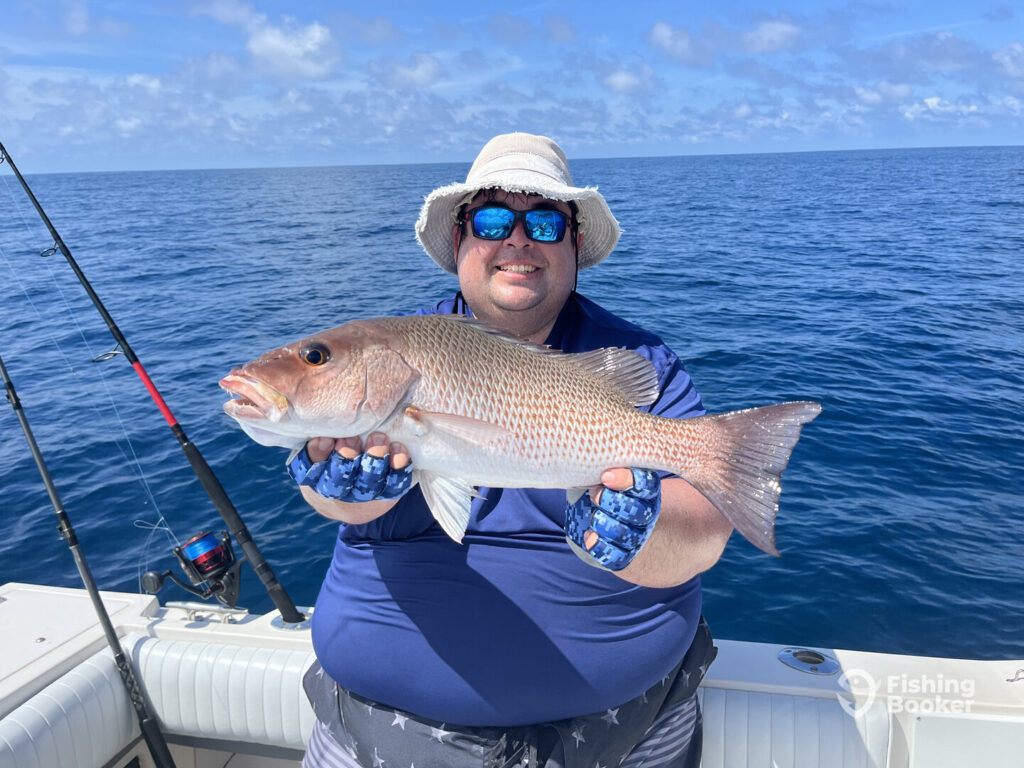
First on the list, we have Mangrove Snapper. This species actually has a year-round open season, so you can harvest them any day of the year. However, the peak season for Mangrove Snapper is between June and September, especially around each full moon.
Mangrove Snapper have a gray/reddish tint with a light-colored belly, which is why they’re also called Gray Snapper. Down where I fish in Southwest Florida, these guys are everywhere. You can come across plenty of honey holes that hold them in the mangroves, cuts, under docks and piers, jetties, and more. They tend to bite at any time of day and on various tides, but high tide is usually best.
They eat a lot, often biting the tails off swimbaits or hitting small jigs. And of course, they love shrimp and small whitebait. Freelining live or cut bait, dragging lures across spots or the bottom, and jerking plastic lures are great ways to hook into them. They tend to stay on the smaller side, but every once in a while, you may find a decent-sized one.
Regulations
For Mangrove Snapper regulations in Florida, you must first have a valid saltwater fishing license. In state waters, the limit for Mangroves is 5 per person per day. In federal waters, it’s 10 per person per day – both within the 10 Snapper aggregate bag limit. This is important to keep in mind: if you have a mix of Snapper species in your bag, you can only harvest 10 total daily. Minimum lengths are 10 inches in state waters and 12 inches in federal waters.
Lane Snapper Season in Florida
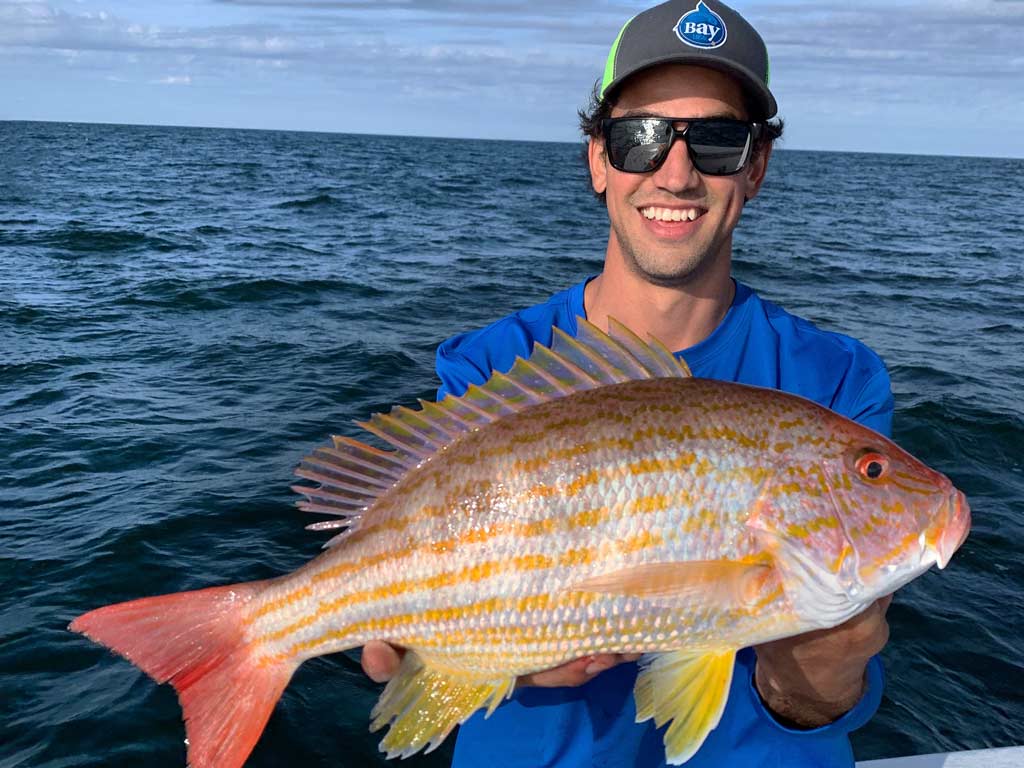
Next up, we have Lane Snapper, which also has an always-open season. Fishing for Lane Snapper is generally best during its long spawning season from March to September, with the peak of activity from May to July. However, the true peaks will vary slightly based on location, weather, and solunar circumstances.
Lane Snapper hangs out around reefs and hard bottom, primarily offshore. Fishing out of Southwest Florida like me, you’ll usually find them in schools hanging around ledges, natural and artificial reefs, and rocky structure in depths ranging from 30 to 120 feet.
Lane Snapper are generally active throughout the day, but calmer seas and a steady current can improve your chances of hooking into them. When it comes to feeding, they’re a bit aggressive, swiping at small, lively, and fresh baits like shrimp, squid, pilchards, and cut bait. They’ll also hit small jigs or bucktails, especially if you add a bit of cut bait to them. Drop your rigs to the bottom near structure, let them sit, drift over, or slowly jig to entice bites.
Regulations
Like always, you’ll need a fishing license to target and harvest these silver, yellow-striped, and pink-tinted fish. Lane Snapper have an increased bag limit of 20 per person per day, which does not count toward the daily Snapper aggregate limit. The minimum size requirements are 10 inches in state waters and 8 inches in federal waters. This was a recent change from FWC, as the previous state minimum was 8 inches, intended to help with overfishing and maintain balance.
Mutton Snapper Season in Florida
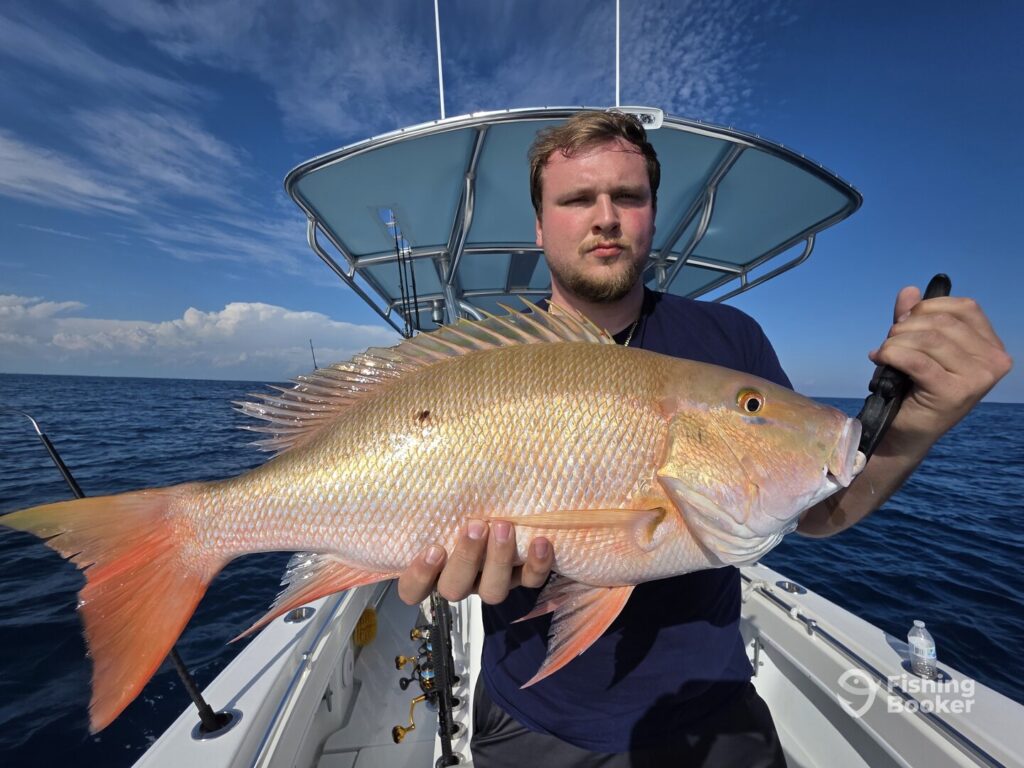
Another species that has a 365-day open season is Mutton Snapper. However, the best time to target them is during their spawning season from April to August, with the peak usually occurring around full moons in June and July.
These fish are a different game compared to the first two, reaching upwards of almost 40 inches compared to the above average of 8–20 inches. Although Mutton kind of look like a mix of Mangrove and Lane, these fish are smart, powerful, and a bit more picky, providing a fun challenge.
In Florida, Mutton Snapper are especially abundant throughout the Florida Keys, heavily inhabiting deeper offshore reefs, wrecks, and sandy and rocky bottoms in depths ranging from 40 to over 200 feet. However, I can attest to finding some inshore in backwater cuts of the Everglades area.
Spawning season is one of the best times to target larger fish, as they gather in predictable areas offshore, so spring and summer are most productive. Because they’re more cautious than other Snapper species, presentation is everything. Lighter fluorocarbon leaders and natural presentations go a long way. Live bait like pilchards, pinfish, shrimp, and ballyhoo are top choices, but they’ll also take fresh dead bait such as squid or cut fish.
Chumming can be extremely effective, especially in the Keys, where you can draw them up off the reef and away from risky structure. Freelining with weights, drift fishing with long leaders, or working jigs near the bottom are all proven techniques. Timing also matters. Low-light periods like dawn and dusk, along with slack tide or slower current, produce the best Mutton bites.
Regulations
Like the species above, they require a fishing license, but they have a smaller daily bag limit of 5 per person that falls under the 10 Snapper aggregate bag limit. The minimum size requirement of 18 inches in both state and federal waters helps protect the population, especially because they take longer to reach maturity. They may be a bit tricky, but if you put in the time, strength, and fish smart, landing a quality Mutton is very possible!
Vermilion Snapper Season in Florida
Like the others, Vermilion Snapper season is open year-round, but the best season to catch them is from August through November.
This Snapper is a slim, reddish-orange, almost goldfish-looking species, and they are a great option when you’re fishing offshore in Florida and looking for steady action. These fish typically inhabit deeper water, ranging from 60 up to 400 feet, around reefs, wrecks, and hard bottom. Vermilion Snapper will bite throughout the day, especially when there’s a decent current, so timing doesn’t matter as much, but spring and summer are more productive.
They roam in loose schools and hit a variety of baits, such as cut squid, sardines, and small fish, as well as jigs and multi-hook setups like chicken rigs. It’s best to drop your bait down and work it from the bottom, letting them come to you.
Regulations
Catching Vermilion Snapper requires a Florida saltwater license. It does not fall under the 10-fish Snapper aggregate bag limit, and has a 5-per-person daily limit. The minimum length is 12 inches to harvest any. They may not be the most favored Snapper species, but they are abundant and fun to catch!
Yellowtail Snapper Season in Florida
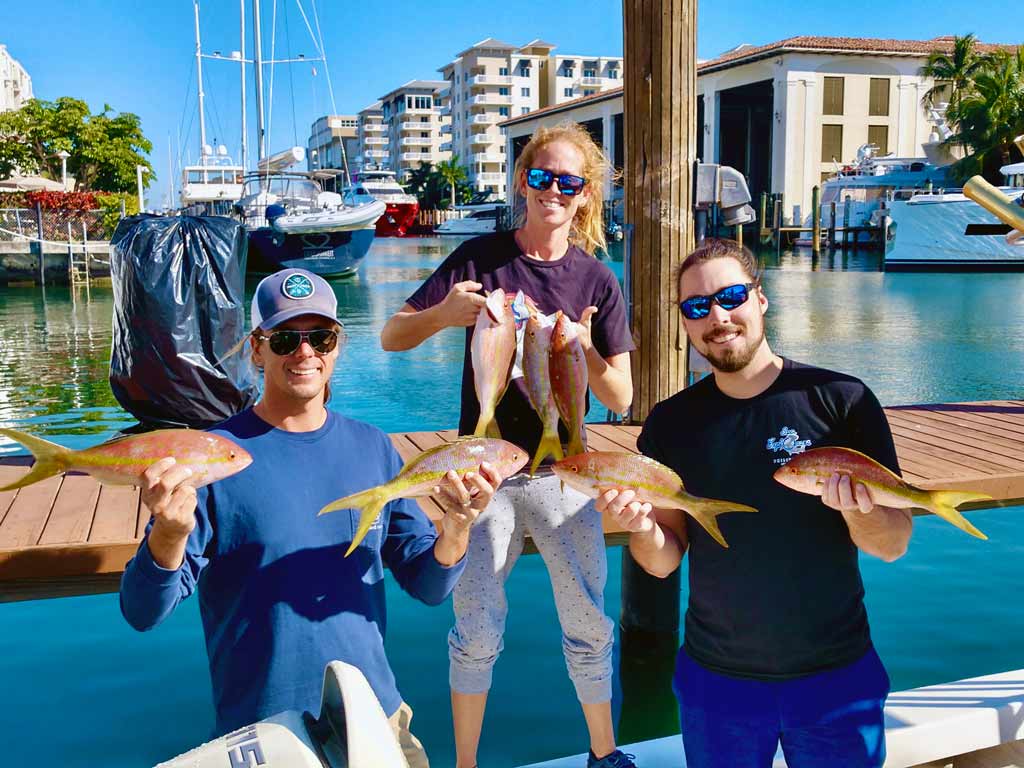
Next up, Yellowtail Snapper! They have no closed season, but the best time for reeling them in is between May and September.
These vibrant silver-and-yellow, long, forked-tail fish are easily one of the most sought-after species in Florida. And if there’s one place they truly shine, it’s the Florida Keys. You’ll mostly find them in clear water along coral reefs. They also visit shallower waters but are most common in depths of at least 30 feet. Unlike some other Snapper species, Yellowtails tend to suspend in the water column rather than hugging the bottom. They’re known for schooling up, and when conditions are right – think calm seas, light current, daylight hours, and some chum – you can get into consistent, fun action.
Yellowtail Snapper are on the smaller side, so lighter tackle, small hooks, and lower fluorocarbon leaders are key. Small pieces of cut bait like ballyhoo, pilchards, or squid work best, as well as menhaden, shrimp, and live whitebait. Freelining bait to drift naturally with the chum is often the most productive technique. You don’t have to put much work in for these fish – they will surround the chum and strike at any small pieces they find.
Regulations
As for regulations in Florida, you need a valid saltwater fishing license. Yellowtail fall within the 10-fish Snapper aggregate bag limit per person per day and they must meet a 12-inch total length. They’re one of the most reliable and rewarding Snapper species to target in the Keys, offering steady action and great table fare.
Cubera Snapper Season in Florida
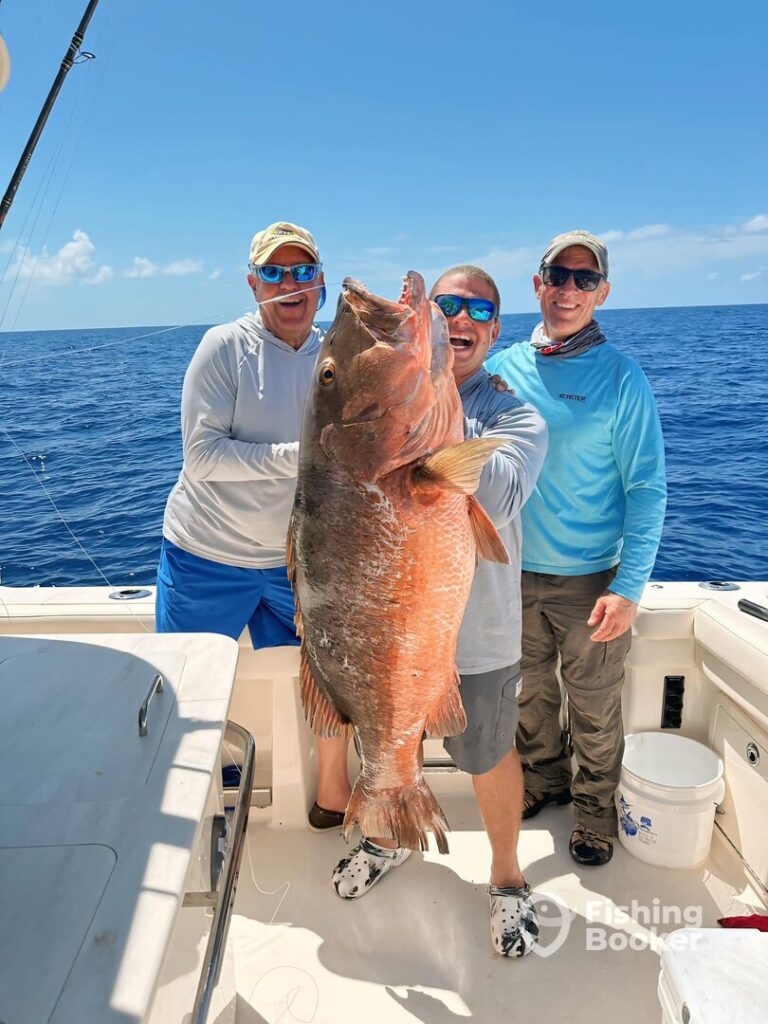
And now we have Cubera Snapper – the true giants of the Snapper family and the largest Snapper species you’ll find in Florida waters. Just like the other Snappers on this list so far, Cuberas are fair game year-round. The best time to target them is June through September, with early peaks in May being common as well.
They look like Mangrove Snapper, but darker and a bit thicker. These fish are built for power, often holding tight to heavy structure like deep reefs and wrecks, while juveniles stick to inshore estuaries, bridges, mangrove areas, and even backwaters. Larger Cubera are especially well-known in offshore waters of South Florida and the Florida Keys.
Targeting Cubera is all about strength and strategy. They are incredibly strong and will immediately try to dive back into structure once hooked, so heavy tackle is essential. Live bait is the top choice, such as big pinfish and blue runners. They’ll also eat large cut bait, but presentation near the bottom is key. It’s recommended to fish at night or during low-light conditions, as Cubera are more active and less cautious then. Dropping bait directly into structure or slow-trolling near reefs and wrecks is the best method – just be ready for a tough battle once they bite!
Regulations
Make sure you have a valid saltwater fishing license before fishing for them. Cubera fall within the 10 Snapper aggregate limit per person per day, with a daily limit of 10 per person and a minimum size of 12 inches. However, note that any Cubera over 30 inches are not included in the Snapper aggregate limit, and you can only keep 2 per vessel per day of those larger fish. Always double-check current rules before heading out. If you’re looking to hook into a true trophy Snapper, Cubera are as big and powerful as they get.
Red Snapper Season in Florida
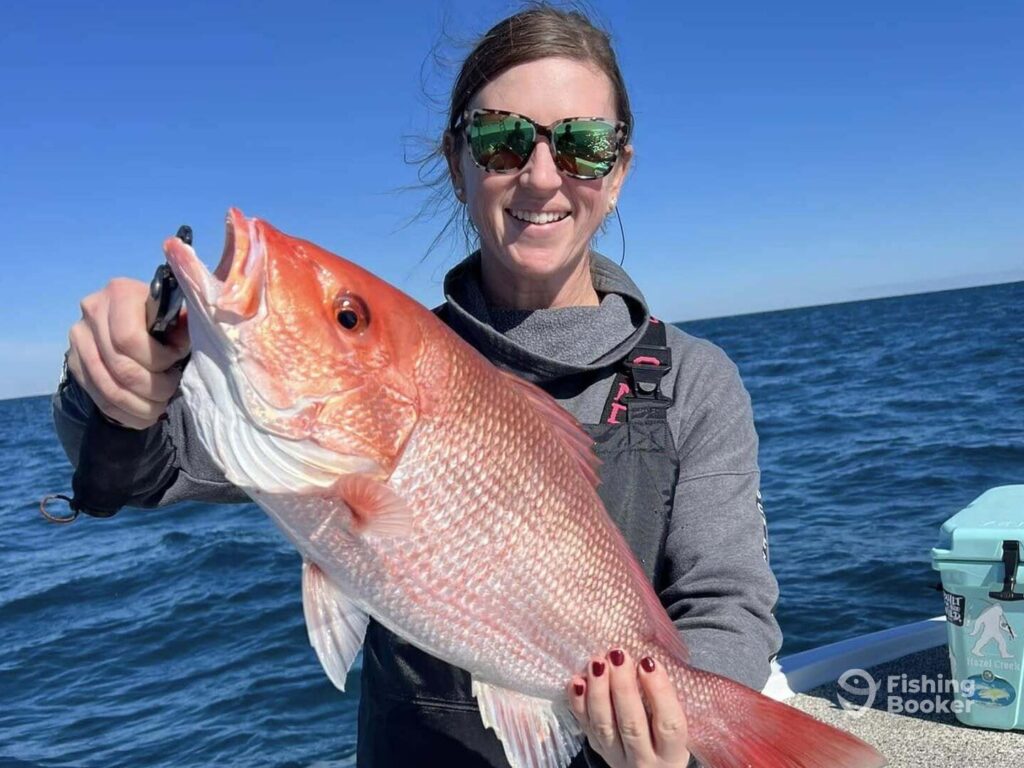
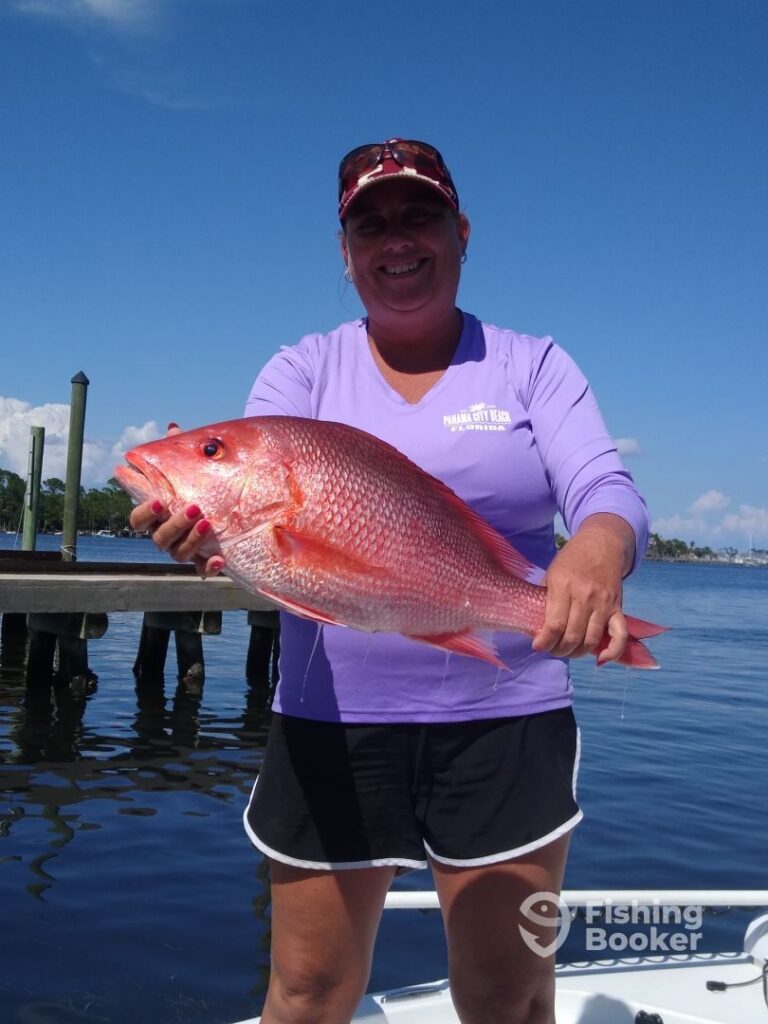
Last but not least, we have the most sought-after Snapper species in Florida – the Red Snapper. Because it’s so famous, we wrote a whole article on Red Snapper seasons in different states, so I won’t go into all the details here. They are the only Snapper species included here with a limited open season. In recent years, they’ve been getting longer and longer seasons in Florida. In 2025 it started in May and lasted until September, with additional December dates being announced later.
Just know that these fish can reach up to 3 feet long and weigh upwards of 30 pounds. The state record even hit a whopping 48 pounds. Now that’s a nice fillet! Offshore near reefs, wrecks, ledges, and artificial structures, you can find quite a few – perhaps even your next PB and dinner for the table. So keep your eyes peeled for updates regarding the 2026 Red Snapper season in the Sunshine State.
Florida’s Snappers Await Your Hook or Lure!
Snapper season in Florida, usually concentrated between May and September, is an awesome time to hook into some fun, hard-fighting fish and bring home a tasty meal. Several different species roam Florida’s waters, providing plenty of opportunities. Before you go out to fish, it’s wise to check the most recent Snapper regulations on the FWC website.
Whether you’re battling big Red Snapper in the deep Gulf waters or fishing a school of Yellowtail in the Keys, you’re sure to enjoy the season. Gear up, as peak Snapper season is approaching! Tight lines, everyone.
What Snapper species is your favorite? When do you have most success catching them? And which do you think is the tastiest?


