Hogfish tips

Noviembre 01, 2025 Holmes Beach 1 foto
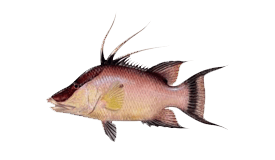
Hogfish
Boquinete
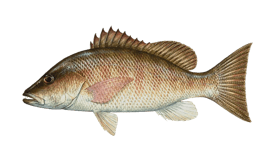
Snapper (Mangrove)
Pargo de manglar
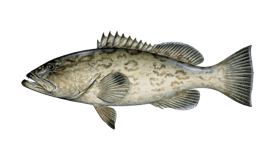
Grouper (Gag)
Mero (Gag)
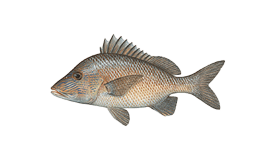
Grunt
Ronco

Resumen del viaje

As water temperatures begin to cool, anglers offshore are turning their attention to the prized Hogfish Snapper. This unique species tends to congregate around reefs and hard-bottom areas during the spawning season, which kicks off in November and continues through the spring months. These gatherings, known as harems, make this time of year ideal for targeting Hogfish along the Gulf waters off Anna Maria Island and Tampa Bay. The bait of choice for targeting Hogfish is typically live shrimp or other small crustaceans, presented on a weighted jig head or “ball” jig. The ideal hook and weight size will vary based on factors such as current strength and fishing depth. Every angler seems to have their own preferred setup, so experimenting to find what works best for your local conditions is key.

Rachel Nobbe-Cato
Holmes-beach, Florida, United States
Captain Rachel Charters thumbnail
Join us for an unforgettable fishing adventure on the productive waters of Florida's Gulf Coast, where you'll have the opportunity to fish the inshore, offshore, and bay waters surrounding Tampa Bay, Manatee County, and Sarasota County. Based ou...

Otros reportes de este chárter

August forecast
August forecast
Julio 27, 2026
August Fishing Report: Inshore & Offshore Fishing Around Manatee and Sarasota County August brings some welcome relief after months of intense summer heat. Afternoon thunderstorms become more frequent, adding much-needed freshwater to our bays and estuaries. This helps lower salinity and slightly cool water temperatures, creating more comfortable conditions for baitfish and game fish alike. While bait will continue to be plentiful, expect to see a variety of smaller sizes throughout the month, making it important to match your hook size to the bait you’re using. August Tackle Recommendation One of my favorite techniques this time of year is still fishing with a free-lined live bait. With the reduced water clarity from summer rains, you can increase your leader size without hurting your chances. I recommend using a 30-pound fluorocarbon leader paired with a 1/0 to 3/0 circle hook, depending on the size of your bait. Snook Snook fishing continues to improve as water temperatures begin to cool slightly. Focus your efforts around the stronger tides, especially near points, passes, and deeper channels where fish will school as the spawning season continues through the full moon. On higher tides, cast tight against mangrove shorelines where snook move up to feed. As the tide falls, work deeper potholes and channel edges where fish retreat with the dropping water. My favorite technique is to cast well up-current and allow your bait to drift naturally with the tide. If you don’t get bit, simply recast and continue working down the shoreline until you locate fish. Presentation is everything when targeting snook—if the bait doesn’t move naturally, they’ll often refuse it. Spotted Seatrout Spotted seatrout fishing really begins to pick up in August. Start by locating healthy grass flats holding plenty of baitfish. Pay close attention to areas where tidal current cuts through the grass and creates small eddies, as these current breaks provide ideal feeding locations when the tide is moving hard. Position your boat with the wind at your back and cast up-current, allowing your bait to drift naturally through the strike zone. A popping cork can be extremely effective this month by slowing your bait’s presentation while adding subtle clicking sounds that help attract feeding trout. Spanish Mackerel Spanish mackerel can still be found inshore, but your best action will usually be offshore around reefs, hard bottom, and ledges where schools of bait are concentrated. When you locate feeding fish, don’t rush to anchor immediately if conditions allow the boat to drift slowly over the area. Instead, begin by chumming lightly with a mixture of live and cut bait. It doesn’t take much to get mackerel fired up. Fish a free-lined live bait using a 1/0 Mustad 2X Long J-hook, and watch your bait closely for sudden bursts of speed or nervous activity. Once you’ve found consistent action, either set the anchor or engage your trolling motor’s Spot-Lock feature to stay on the school. The key to success throughout August is following the bait. Whether you’re fishing shallow grass flats, mangrove shorelines, or offshore structure, locating healthy schools of baitfish will dramatically increase your chances of finding hungry game fish. Get out early, fish the moving tides, and take advantage of the cooler mornings before the afternoon storms roll in.
Seguir leyendo
Winter Offshore fishing
Febrero 11, 2026
We’re in the final stretch of winter here along the Gulf Coast. As a charter captain, this is how I approach the transition season: Watch the water temperature. Once it starts climbing into the mid-60s, inshore fishing will begin to improve. Be patient with the inshore bite. Until that water warms up consistently, action can still be spotty. Head offshore for steady action. Right now, offshore structure is where you’ll find the most consistent bite. Offshore strategy Focus on structure. Reefs, ledges, rock piles, and artificial structure will hold fish tight to the bottom. Fish the bottom. Use a ball jig or weighted hook to keep your bait where the fish are holding. Use natural bait. Live shrimp is always my first choice, but frozen shrimp will absolutely get the job done. Stay vertical. Drop straight down and maintain contact with the bottom for the best results. Fish moving water. Tidal flow is critical — no current usually means no bite. Plan your trip around tide changes and make sure there’s water moving across the structure. That current positions the fish and triggers them to feed. Know the regulations — Gulf west coast Florida Before you go, make sure you and your anglers are dialed in on Florida Fish and Wildlife Conservation Commission (FWC) and federal rules that apply in Gulf state and federal waters: Gag Grouper (recreational) Currently closed. The recreational gag grouper season for Gulf state waters is not open right now. Minimum size if/when it reopens: 24″ total length. Daily bag limit when open: 2 per person within the aggregate grouper limit (but 0 for captain & crew on for-hire vessels). Must be enrolled in the State Reef Fish Angler program to harvest reef fish from a private vessel. Hogfish (recreational) Minimum size: 14″ fork length. Daily bag limit: 5 per person. Season: Open year-round. Flounder (recreational) Minimum size: 14″ total length. Daily bag limit: 5 per person. Seasonal closure: Oct 15–Nov 30 each year. Mangrove Snapper (Gray Snapper) Minimum size: 10″ total length in Florida state waters. Daily bag limit: 5 per person within the 10-fish snapper aggregate. No closed season — harvest is allowed year-round. In federal waters (beyond 9 nautical miles), size and bag limits may differ (e.g., 12″ and up to 10 per person within snapper aggregate). Sheepshead (recreational) Minimum size: 12″ total length. Daily bag limit: 15 per person. No closed season. Late winter fishing is all about timing and adjustments. Fish deeper, fish slower, stay on structure, fish with tidal flow, and know the regulations — it keeps your charter legal, safe, and successful on the water.
Seguir leyendo