The Dog Days of Summer - Fishing Mid-day

Julio 06, 2026 Palm Harbor 2 fotos
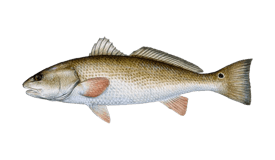
Redfish
Corvina roja
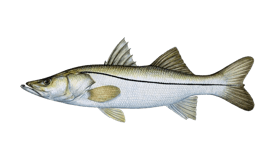
Snook
Róbalo

Resumen del viaje

Learn how to catch summer snook and redfish during the toughest fishing conditions on Florida's Gulf Coast. This week's Tightlines Charter fishing report explains why fish move to mangrove-lined drop-offs during mid-day low tides, how proper bait presentation along the shade line can make all the difference, and why understanding the tides is the key to consistent success in St. Joseph Sound and the Clearwater area. Healthy mangrove channel ambush point for Redfish and Snook Summer fishing along Florida's Gulf Coast can be challenging, especially during the middle of the day when the sun is high and the tide is at its lowest. But sometimes that's the only time people have to fish—or, as a charter captain, it's the only time my clients can get out on the water. So what do you do when you're fishing during the hottest part of the day on the lowest point of the tide? While many anglers assume the bite completely shuts down, there's still plenty of opportunity if you know where to look. Instead of spending time on the shallow open flats, we're targeting deeper water along mangrove shorelines where redfish and snook can escape the heat while staying in position to feed. One of the most productive areas this time of year is small channels with steep, mangrove-lined drop-offs. These underwater "cliffs" provide slightly deeper, cooler water that flows along the mangrove roots, creating the perfect ambush point for predators. Snook and redfish will often position themselves just inside the shade line, waiting for shrimp, pinfish, or other baitfish to drift past. They can dart out, grab an easy meal, and quickly retreat back into the protection and shade of the mangroves. Finding these spots isn't easy. It takes research both on and off the water. I've spent countless hours studying Google Earth looking for potential locations, then even more time on the water figuring out when those spots actually produce fish. It's not enough to fish a location once. You need to see it at low tide and high tide, on both incoming and outgoing tides, and throughout every season of the year. Some areas only come alive on negative tides, while others fish best on a specific stage of the incoming or outgoing tide. It can easily take a full year before you truly understand how one small stretch of shoreline fishes. That's the work most people never see. Guides spend countless hours scouting so that, when clients step on the boat, we can make it look easy. Presentation becomes even more important under these conditions. The best bites are coming when baits land tight against the mangrove roots, especially along the shade line. A cast that's just a few feet away from the cover often goes untouched, while placing a bait just inches from the roots can draw an immediate strike. Accuracy matters more than ever during the summer. We've also found that using smaller, more subtle floats instead of large popping corks can make a noticeable difference when fish are less aggressive. Once a fish eats, don't give it any room. Snook and redfish know exactly where the mangrove roots are, and they'll head straight for them. They didn't get big by making bad decisions. Keep your drag set tighter than normal, keep your rod low, and apply steady pressure immediately to pull the fish away from the roots before it has a chance to wrap your line around the branches. While this isn't the easiest time of year to fish, it can still produce steady action for anglers willing to adjust their approach. Most of the fish we've been catching in these types of spots have been on the smaller side, but they're healthy, aggressive, and a lot of fun on light tackle. As we move through the heart of summer, focusing on deeper mangrove edges during low tide will continue to be one of the most reliable patterns for finding cooperative redfish and snook. If you'd like to come check it out for yourself, learn how to fish these challenging summer conditions or spend a few hours exploring the shallow waters of St. Joseph Sound, now is a great time to get on the water. Every trip is tailored to the day's tides and conditions to give you the best opportunity for success.
Paul Duffey
Palm-harbor, Florida, United States
⭐ PRIVATE • Family Friendly • INSHORE ⭐ thumbnail
Looking for a fun, private fishing trip during your Florida vacation? Tightlines Charter offers private inshore fishing trips designed for families, beginners, and experienced anglers alike. We are great with first-time anglers and mixed groups. Want to s...

Otros reportes de este chárter

Incoming Tide Redfish Action in Palm Har
Agosto 12, 2026
Slicked-Out Morning in Palm Harbor - Redfish on the Incoming Tide Today’s three-hour charter started out of Palm Harbor with an incoming tide, 86-degree water temp, and a simple goal: keep the rods bent while giving ourselves a chance at a quality redfish. The family visiting from Maryland fishes quite a bit back home, so they were comfortable on the water. They normally spend their time chasing striped bass, which made our shallow-water inshore fishing a completely different experience. With a 10-year-old along for the trip, I wanted to balance good action with the opportunity to put a bigger fish in front of them. This 10 year fished like a seasoned pro and handled the biggest fish of the day with ease. We started by working the main oyster points on some islands where bait was popping in the current. The first stop produced redfish and trout, giving us a quick start and confirming that fish were already taking advantage of the rising water. From there we moved to another area with a shallow shelf alongside a deeper channel. The fish were holding up on the shelf in the potholes and grass, where we found a mixed bag of mangrove snapper, grunts and trout. It wasn't necessarily the fish we were looking for, but with a family charter I will take steady action while the better water develops rather than leave biting fish just to chase a particular species. As the tide continued to rise, the redfish bite improved. Our third stop was the difference-maker, producing several reds including the best fish of the evening, a solid redfish just shy of 27 inches. We added a few more redfish before the trip was over, along with a sail catfish to round out the species list. Overall, it was a good trip and a nice example of why I like fishing an incoming tide around Palm Harbor. We didn't need to make long runs or spend the entire trip searching. We let the tide push the bait, stayed mobile when we needed to and found multiple areas holding fish. If I had been scouting instead of running a three-hour charter, I would have stayed out later and fished the beginning of the outgoing tide. I would have liked to see how the redfish repositioned once the water started pulling back out and whether the falling tide would force some of the bigger fish out of the flooded areas and onto the edges where they were easier to target. Conditions: Incoming to dead high tide • 86°F water • Warm summer conditions • Waning crescent moon near the new moon Catch: Redfish • Speckled Trout • Mangrove Snapper • Grunts • Sail Catfish Another good day on the water and another piece of the Palm Harbor puzzle coming together.
Seguir leyendo
Following the Falling Tide For Big Redfi
Agosto 9, 2026
Today's four-hour charter was timed around the peak of the morning high tide before fishing the first half of the outgoing tide. The 3.4-foot high tide made things a little more challenging by allowing fish to push deep into the flooded mangroves where they had plenty of places to feed and hide. Ideally, we would have started earlier in the morning, but this was the best window for the clients. After all, not many people want to wake up at 5:00 AM on vacation—and honestly, neither do I. The plan was to start deep in the flooded flats along the mangroves before gradually working toward deeper edges and transition areas as the tide fell. Conditions were warm with light winds, scattered clouds, and typical Florida summer weather that kept us watching the sky while still allowing us to cover plenty of water. A morning without thunderstorms was a welcome change of pace. The morning started with live shrimp under popping corks worked tight against mangrove shorelines and pockets where redfish often stage on high water. As the tide began to fall, we mixed in bottom presentations and covered a variety of nearby habitat including oyster edges, grass flats, creek mouths, and deeper shoreline transitions. By staying mobile and letting the tide dictate our next move, we were able to keep fresh water in front of us throughout the trip. The fish were definitely more spread out than concentrated, but each stop helped tell the story of what the tide was doing. As the water pulled out of the mangroves, the better opportunities shifted toward areas that provided a little more depth and current. Redfish were the primary target throughout the morning, with black drum showing up as well. By the end of the trip, we had landed several redfish along with a black drum, with fish coming from several different types of structure rather than one dominant pattern. While there wasn't a single "magic" location today, the fish rewarded staying patient and continuing to adjust with the changing tide instead of forcing one area to produce. That's often how summer fishing goes—keep moving, trust the conditions, and eventually the pattern reveals itself. What I Learned The outgoing tide continued to improve as the morning progressed. The falling water gradually pulled fish out of the flooded mangroves and into more predictable feeding areas. At peak high tide, there were simply too many places for them to hide. Fish weren't heavily grouped, so covering water was more important than camping on one spot. Mangrove shorelines produced early before the better bites shifted toward transition areas with moving water. Live shrimp remained the most productive bait throughout the trip. I think cut mullet would have produced as well, but there was no reason to change what was already working. Having a plan for mid-tide areas where shallow flats drained into deeper channels produced exactly as expected and reinforced how important it is to fish the tide instead of fishing memories. Every trip adds another piece to the puzzle. This wasn't the ideal tide to fish, but it was the best window for the clients, and that's part of being a charter captain. Rather than forcing one area to produce, we let the tide guide our decisions throughout the morning. In the end, the lesson wasn't about finding one magic spot—it was about understanding how fish reposition throughout the tide cycle and staying one step ahead of them.
Seguir leyendo