Summer Snook Fishing Along Florida's Gul

juin 25, 2026 Holiday 1 photo
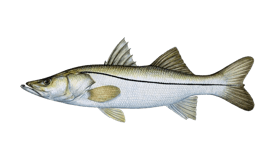
Snook
Brochet de mer

Résumé du voyage

Summer is prime time for big snook in St. Josephs Sound on Florida's Gulf Coast. From the mangrove islands surrounding Anclote Key to the beaches and sandbars near Tarpon Springs, some of the largest snook of the year are now feeding along our coastline. While summer offers incredible opportunities, targeting trophy snook is rarely easy. These fish didn't grow big by making mistakes, and every bite is earned. If you're looking for a true challenge on an inshore fishing charter, few fish compare to a mature Gulf Coast snook. Big Snook Live Where They Feel Safe During the summer months, large snook spread throughout the mangrove shorelines, oyster-lined points, and island edges surrounding barrier islands like Anclote Key and Honeymoon Island. These areas provide shade, ambush points, and easy access to bait. Many of our summer trips focus on getting out early, quietly working mangrove island edges, looking for fish laid up in the shade or cruising the shoreline waiting for an easy meal. As water temperatures continue to rise, many of the biggest fish also move onto the beaches and shallow sandbars. These open-water fish are often some of the largest snook we'll encounter all year. Seeing Big Snook and Catching Big Snook Are Two Different Things One thing every angler quickly learns about trophy snook is that seeing them is only half the battle. These fish don't get big by being stupid. On our inshore fishing trips we may see multiple giant snook cruising a shoreline, laid up beneath overhanging mangroves, or swimming the beach in crystal-clear water. Just because you can see them doesn't mean they'll eat. In many ways, hunting large snook is very similar to targeting tarpon. The challenge isn't just finding the fish — it's convincing them to bite. Some days you'll make perfect casts to fish you can clearly see and still never get the rod bent. Other days, everything comes together, and that one fish finally commits. When it happens, the payoff makes every missed opportunity worth it. The hunt itself is a huge part of what makes snook fishing so addictive. Early Mornings Offer the Best Opportunity Low-light periods are often the best time to target large summer snook. Early mornings allow us to fish before heavy boat traffic, bright sun, and increasing water temperatures begin affecting fish behavior. Dawn and the first few hours after sunrise can produce some of the most aggressive feeding activity of the day. Large snook are much more comfortable moving and feeding under lower light conditions, especially along shallow shorelines and beaches. For anglers looking specifically for trophy fish, getting an early start can make a tremendous difference. Live Shrimp and Pinfish Continue to Produce While artificial lures certainly have their place, live bait, on light tackle, continues to be one of the most consistent ways to target big summer snook. Live shrimp remain an excellent option when fishing mangrove edges, docks, and deeper shoreline structure. Live pinfish are another favorite when specifically targeting larger fish. Big snook rarely pass up a well-presented live pinfish around mangrove points, beach troughs, and current edges. Matching the bait presentation to the conditions and the mood of the fish often makes the difference between simply seeing fish and actually catching them. Book Your Summer Snook Charter Summer offers some of the best opportunities of the year to target trophy snook along Florida's Gulf Coast. Whether we're quietly working mangrove shorelines of St. Josephs Sound or searching the beaches and sandbars for cruising giants, every trip offers the possibility of encountering the fish of a lifetime. If you're ready to experience the challenge of hunting big Gulf Coast snook, now is a great time to get on the water.
Paul Duffey
Holiday, Florida, United States
TIGHTLINES CHARTER - Inshore Light Tackle thumbnail
Whether you're introducing your family to saltwater fishing or chasing the fish of a lifetime, Tightlines Charter offers a private inshore fishing experience customized around your group's goals. Every trip is tailored to the season, tides, weat...

Autres rapports de cette charte

What is Shallow-Water Inshore Fishing?
juillet 9, 2026
When most people think of a fishing charter, they picture a large boat running offshore, anchoring over a reef, and waiting for fish to bite. While those trips can be a great experience, they're completely different from the style of fishing we specialize in at Tightlines. Shallow-water inshore fishing is active, fun, technical (if you want it to be), and constantly changing. Every trip is built around the tides, wind, water clarity, fish behavior, and your experience level. Rather than following the same route day after day, every trip is customized to the conditions we're given. The goal isn't simply to put a bait in the water—it's to understand where fish should be, why they're there, and make the right presentation when the opportunity comes. The Tide Decides Everything One of the biggest surprises for first-time guests is learning that we have different spots for different tides. I don't always decide where we'll fish before leaving the dock. Instead, I make that decision based on the water level I'm seeing, what the wind is actually doing compared to the forecast, water clarity, cloud cover, and several other "in-the-moment" factors. A flat that was full of bait and feeding redfish yesterday might be nearly empty today if the tide, wind, or water clarity changes. Likewise, a mangrove shoreline that looked lifeless on the last trip may suddenly become one of the best spots on the water. Rather than running the same route every morning, we stay flexible and let the conditions guide every decision we make. Every Spot Has a Purpose We aren't randomly casting at shorelines. Every stop is selected for a reason. Depending on the season, tide, wind, and water temperature, we may target: Shallow grass flats where redfish cruise while feeding. Mangrove shorelines where snook wait in the shade to ambush baitfish. Oyster bars that attract bait and feeding predators. Small channels and drop-offs that provide cooler water and moving current during the heat of summer. Open turtle grass flats where trout spread out to feed. Many of these areas only produce under very specific conditions. Learning when each one comes alive takes years of scouting, countless hours on the water, and paying attention to the smallest details. Success Comes From Staying Mobile One of the biggest differences between inshore fishing and many other types of fishing is that staying in one place rarely produces the best results. Now, the cardinal rule of guiding is "You don't leave fish to find fish" but if the conditions aren't right or the fish aren't active, we will absolutely move. Usually the next stop isn't far. Sometimes it's just the opposite side of an sandbar or only a few hundred yards away. Every move has a purpose and is designed to keep us around active fish throughout the trip. One thing I've learned over the years is that knowing where the fish aren't can often be just as important as knowing where they are. Accuracy Matters More Than Power Most of the fish we target live around structure. Structure takes many forms on the water. Snook tuck beneath mangrove roots or cruise open flats where their speed gives them a huge advantage. Redfish often feed along grass edges, oyster bars, and shallow shorelines. Trout roam potholes in turtle grass flats, but even they relate to subtle depth changes and concentrations of bait. Because of that, making an accurate cast is often more important than using heavy tackle. In fact, the light tackle we use not only gives us an advantage, it also makes every fish feel bigger and every fight more exciting. Landing a bait just inches from the mangrove shade line can be the difference between an immediate strike and no bite at all. Every Trip Is Different One of the reasons I love guiding is that no two days are ever exactly alike. Changing tides, weather, bait movement, and seasonal fish patterns mean we're constantly adapting our plan. Some trips focus on sight casting to cruising redfish and snook in crystal-clear water. Others involve quietly working live bait beneath mangroves for snook and mangrove snapper. Sometimes we're blind casting across grass flats searching for trout. Every day presents a new puzzle, and solving that puzzle is one of the most rewarding parts of inshore fishing. It's About the Experience The best days aren't solely measured by the number of fish caught. Watching a redfish push a wake across a shallow flat, making the perfect cast beneath a mangrove branch, or feeling a snook explode on a bait only a few feet from the boat creates memories that stay with anglers long after the trip ends. It could be someone's first redfish, breaking a personal best snook record or jumping your first Tarpon. That's what makes shallow-water inshore fishing different. It's active, personal, fun, and constantly changing. Most of the time you're not simply waiting for something to happen—you're hunting fish, reading the water, listening to the Captain's directions and becoming part
Continuer la lecture
The Dog Days of Summer - Fishing Mid-day
juillet 6, 2026
Learn how to catch summer snook and redfish during the toughest fishing conditions on Florida's Gulf Coast. This week's Tightlines Charter fishing report explains why fish move to mangrove-lined drop-offs during mid-day low tides, how proper bait presentation along the shade line can make all the difference, and why understanding the tides is the key to consistent success in St. Joseph Sound and the Clearwater area. Healthy mangrove channel ambush point for Redfish and Snook Summer fishing along Florida's Gulf Coast can be challenging, especially during the middle of the day when the sun is high and the tide is at its lowest. But sometimes that's the only time people have to fish—or, as a charter captain, it's the only time my clients can get out on the water. So what do you do when you're fishing during the hottest part of the day on the lowest point of the tide? While many anglers assume the bite completely shuts down, there's still plenty of opportunity if you know where to look. Instead of spending time on the shallow open flats, we're targeting deeper water along mangrove shorelines where redfish and snook can escape the heat while staying in position to feed. One of the most productive areas this time of year is small channels with steep, mangrove-lined drop-offs. These underwater "cliffs" provide slightly deeper, cooler water that flows along the mangrove roots, creating the perfect ambush point for predators. Snook and redfish will often position themselves just inside the shade line, waiting for shrimp, pinfish, or other baitfish to drift past. They can dart out, grab an easy meal, and quickly retreat back into the protection and shade of the mangroves. Finding these spots isn't easy. It takes research both on and off the water. I've spent countless hours studying Google Earth looking for potential locations, then even more time on the water figuring out when those spots actually produce fish. It's not enough to fish a location once. You need to see it at low tide and high tide, on both incoming and outgoing tides, and throughout every season of the year. Some areas only come alive on negative tides, while others fish best on a specific stage of the incoming or outgoing tide. It can easily take a full year before you truly understand how one small stretch of shoreline fishes. That's the work most people never see. Guides spend countless hours scouting so that, when clients step on the boat, we can make it look easy. Presentation becomes even more important under these conditions. The best bites are coming when baits land tight against the mangrove roots, especially along the shade line. A cast that's just a few feet away from the cover often goes untouched, while placing a bait just inches from the roots can draw an immediate strike. Accuracy matters more than ever during the summer. We've also found that using smaller, more subtle floats instead of large popping corks can make a noticeable difference when fish are less aggressive. Once a fish eats, don't give it any room. Snook and redfish know exactly where the mangrove roots are, and they'll head straight for them. They didn't get big by making bad decisions. Keep your drag set tighter than normal, keep your rod low, and apply steady pressure immediately to pull the fish away from the roots before it has a chance to wrap your line around the branches. While this isn't the easiest time of year to fish, it can still produce steady action for anglers willing to adjust their approach. Most of the fish we've been catching in these types of spots have been on the smaller side, but they're healthy, aggressive, and a lot of fun on light tackle. As we move through the heart of summer, focusing on deeper mangrove edges during low tide will continue to be one of the most reliable patterns for finding cooperative redfish and snook. If you'd like to come check it out for yourself, learn how to fish these challenging summer conditions or spend a few hours exploring the shallow waters of St. Joseph Sound, now is a great time to get on the water. Every trip is tailored to the day's tides and conditions to give you the best opportunity for success.
Continuer la lecture
A Tale of Two Charters: Same Water, Two
juillet 1, 2026
Same Boat - Same Water - Same Fish - Two Different Styles One of the questions I get asked most often is, "What's the difference between your Family Fishing Adventure and your Signature Trophy Charter?" The answer surprises a lot of people. Many times, we're fishing the exact same grass flats, mangrove shorelines, and oyster bars. We're often targeting the same species too—redfish, snook, trout, and even seasonal tarpon. The biggest difference isn't where we fish. It's how we fish. Family Fishing Adventure When I'm fishing with a family, especially young kids or first-time anglers, my goal is to create opportunities that build confidence while keeping everyone involved. Keeping it simple and fun is the key. No pressure and no egos making people feel uncomfortable. We all started out not knowing how to cast or bait a hook. Heck I fish six days a week and still decorate a few trees now and again. We'll often fish under popping corks or floats with live bait, making casts into productive areas and letting the fish come to us. This approach allows everyone to relax, enjoy the scenery, learn the basics, and still have an excellent chance at catching quality fish. I don't mind casting for clients to up our chances by putting the baits in the right spots. These fish can be very tight to the structure, especially this time of year. Some of the biggest redfish and snook I've ever caught have eaten a live bait suspended beneath a float. Don't let the simpler presentation fool you—it can be incredibly effective. More importantly, it keeps the focus on what matters most: creating lifelong memories together. Signature Trophy Charter Now picture the same shoreline. Instead of waiting for fish to come to us, we're quietly stalking them. I'm standing on the tower watching for movement, calling out fish before you ever see them. That tower is a powerful tool, that elevated position gives us a huge advantage. You will be looking for fish and will hear me say . . . "Redfish at 11 o'clock..." "Thirty feet..." "Coming at us ..." I will have you point your rod at the landing zone and then . . . "Cast now." Every cast has a purpose. We'll constantly adjust our position with the trolling motor, read the wind, watch the tide, and adapt throughout the trip as conditions change. Some days we'll sight fish shallow grass flats potholes. Other days we'll work mangrove edges or oyster bars, looking for the highest-percentage opportunities. It becomes less about waiting for a bite and more about solving the puzzle one cast at a time. Different Styles. Same Opportunity. Here's something many people don't realize. Both approaches can produce trophy fish. The difference isn't necessarily the size of the fish. It's the experience. One trip is about introducing people to fishing, building confidence, and making memories they'll talk about for years. The other is about challenging yourself, refining your skills, and experiencing the excitement of actively hunting fish in shallow water. Neither is better. They're simply built for different anglers. Which Experience Is Right for You? If your goal is introducing your kids to fishing, spending quality time together, or enjoying a relaxed morning on the water, our Family Fishing Adventure is probably the perfect fit. Typically we catch more fish on the smaller side with a few big ones mixed in. If you enjoy making accurate casts, learning new saltwater techniques, and chasing quality fish while adapting to changing conditions, you'll probably love our Signature Trophy Charter. We target big fish but still cast at every fish we see. Whichever experience you choose, one thing never changes. Every trip is private. Every trip is customized around your skills and goals. Every decision I make is designed to give you the best opportunity possible for a great day on the water. I look forward to seeing you aboard.
Continuer la lecture