Meet the Captain
Calypso
Puerto Vallarta, Jalisco
6pax combo fishing&marietasislands
:US $788


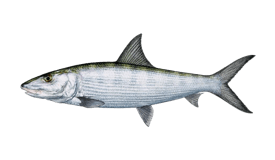
Milkfish fishing is all about speed, power, and patience. Milkfish are sleek, fast, and famously selective eaters. Anglers target them for blistering runs, sudden jumps, and the pure challenge of fooling a wary fish in clear water.
You can catch Milkfish by sight casting on calm flats, inshore channels, and reef edges. Fly fishing with small algae or shrimp patterns works well when fish are grazing. Spinning with tiny baits or dough imitations under a float can also get eats where allowed. Keep leaders light and long, use small circle hooks, and present the bait gently.
Expect a technical hunt and a thrilling fight. Stealth matters, so move quietly and make careful casts. Once hooked, a Milkfish will run hard and may leap several times. This suits patient anglers who enjoy precise presentations and long battles on light tackle. Bring polarized sunglasses, sun protection, and non-slip deck shoes. A smooth-drag reel with plenty of backing helps you stay connected. An 8–10 weight fly rod or medium-light spinning setup is a solid starting point.
Before you go, check local rules for licenses or permits. Review season dates, harvest regulations, and any size or bag limits. Follow area closures and practice careful handling or catch-and-release where required.
Milkfish fishing is all about speed, power, and patience. Milkfish are sleek, fast, and famously selective eaters. Anglers target them for blistering runs, sudden jumps, and the pure challenge of fooling a wary fish in clear water.
You can catch Milkfish by sight casting on calm flats, inshore channels, and reef edges. Fly fishing with small algae or shrimp patterns works well when fish are grazing. Spinning with tiny baits or dough imitations under a float can also get eats where allowed. Keep leaders light and long, use small circle hooks, and present the bait gently.
Expect a technical hunt and a thrilling fight. Stealth matters, so move quietly and make careful casts. Once hooked, a Milkfish will run hard and may leap several times. This suits patient anglers who enjoy precise presentations and long battles on light tackle. Bring polarized sunglasses, sun protection, and non-slip deck shoes. A smooth-drag reel with plenty of backing helps you stay connected. An 8–10 weight fly rod or medium-light spinning setup is a solid starting point.
Before you go, check local rules for licenses or permits. Review season dates, harvest regulations, and any size or bag limits. Follow area closures and practice careful handling or catch-and-release where required.