

Pesca de Yellowfin Bream
As melhores ofertas de pesca de 0 Yellowfin Bream - insira o destino e as datas para verificar a disponibilidade
Fretamentos de pesca Yellowfin Bream mais próximos
Espécies relacionadas

Sobre a pesca de Yellowfin Bream
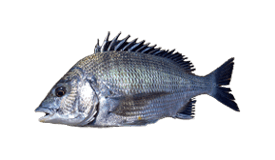
Yellowfin Bream are agile, hard-fighting fish that thrive in coastal shallows and estuaries. Anglers love them for cautious bites, sudden runs, and reliable action year-round. Yellowfin Bream fishing is ideal for learning key skills while still offering a fun test on light tackle.
Most trips focus on inshore fishing in bays, estuaries, and flats. Flats are wide, shallow areas with sand or seagrass. Cast small baits like prawns, worms, or crabs near structure such as rocks, pylons, and jetties. Lure anglers do well with soft plastics, small hardbodies, and vibes worked slowly. Use light spinning gear and a thin fluorocarbon leader, which is a nearly invisible line tied ahead of your main line.
Expect a hands-on, active style with lots of short casts and steady movement. It suits beginners, kids, and experienced anglers who enjoy finesse and sight-casting in clear water. Bring sun protection, polarized sunglasses to spot fish, and non-slip footwear for wet surfaces. Pack a small tackle box with extra hooks, leaders, and jigheads. A landing net helps secure fish gently at the boat or bank. Keep a cooler ready if keeping a legal catch, and carry plenty of drinking water.
Before you go, check local rules. Confirm whether a fishing license or permit is required. Review current seasons, size limits, bag limits, and any marine park restrictions. Regulations change, and they vary by location. When in doubt, practice careful catch and release to protect the fishery for the future.
Habitats
Yellowfin Bream are agile, hard-fighting fish that thrive in coastal shallows and estuaries. Anglers love them for cautious bites, sudden runs, and reliable action year-round. Yellowfin Bream fishing is ideal for learning key skills while still offering a fun test on light tackle.
Most trips focus on inshore fishing in bays, estuaries, and flats. Flats are wide, shallow areas with sand or seagrass. Cast small baits like prawns, worms, or crabs near structure such as rocks, pylons, and jetties. Lure anglers do well with soft plastics, small hardbodies, and vibes worked slowly. Use light spinning gear and a thin fluorocarbon leader, which is a nearly invisible line tied ahead of your main line.
Expect a hands-on, active style with lots of short casts and steady movement. It suits beginners, kids, and experienced anglers who enjoy finesse and sight-casting in clear water. Bring sun protection, polarized sunglasses to spot fish, and non-slip footwear for wet surfaces. Pack a small tackle box with extra hooks, leaders, and jigheads. A landing net helps secure fish gently at the boat or bank. Keep a cooler ready if keeping a legal catch, and carry plenty of drinking water.
Before you go, check local rules. Confirm whether a fishing license or permit is required. Review current seasons, size limits, bag limits, and any marine park restrictions. Regulations change, and they vary by location. When in doubt, practice careful catch and release to protect the fishery for the future.