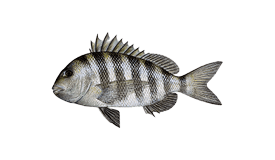
Clearwater Sheepshead Fishing Producing

Maio 17, 2026 Palm Harbor 1 foto
Sheepshead
Sargo-choupana

Resumo da Viagem

While redfish and snook have been getting most of the attention lately, Clearwater sheepshead fishing has continued producing steady action around docks, oyster bars, and mangrove structure during the recent king tides. The higher water has spread fish across more shallow structure, creating additional opportunities throughout the inshore zones. Live shrimp and small natural baits have been working well around current breaks and structure holding bait. Sheepshead have been a great bonus species on recent inshore fishing charters, especially for families and anglers looking for consistent rod-bending action while targeting multiple species along the Clearwater flats and mangroves.
Paul Duffey
Palm-harbor, Florida, United States
⭐ PRIVATE • Family Friendly • INSHORE ⭐ thumbnail
Looking for a fun, private fishing trip during your Florida vacation? Tightlines Charter offers private inshore fishing trips designed for families, beginners, and experienced anglers alike. We are great with first-time anglers and mixed groups. Want to s...

Outros relatórios deste charter

Following the Falling Tide For Big Redfi
Agosto 9, 2026
Today's four-hour charter was timed around the peak of the morning high tide before fishing the first half of the outgoing tide. The 3.4-foot high tide made things a little more challenging by allowing fish to push deep into the flooded mangroves where they had plenty of places to feed and hide. Ideally, we would have started earlier in the morning, but this was the best window for the clients. After all, not many people want to wake up at 5:00 AM on vacation—and honestly, neither do I. The plan was to start deep in the flooded flats along the mangroves before gradually working toward deeper edges and transition areas as the tide fell. Conditions were warm with light winds, scattered clouds, and typical Florida summer weather that kept us watching the sky while still allowing us to cover plenty of water. A morning without thunderstorms was a welcome change of pace. The morning started with live shrimp under popping corks worked tight against mangrove shorelines and pockets where redfish often stage on high water. As the tide began to fall, we mixed in bottom presentations and covered a variety of nearby habitat including oyster edges, grass flats, creek mouths, and deeper shoreline transitions. By staying mobile and letting the tide dictate our next move, we were able to keep fresh water in front of us throughout the trip. The fish were definitely more spread out than concentrated, but each stop helped tell the story of what the tide was doing. As the water pulled out of the mangroves, the better opportunities shifted toward areas that provided a little more depth and current. Redfish were the primary target throughout the morning, with black drum showing up as well. By the end of the trip, we had landed several redfish along with a black drum, with fish coming from several different types of structure rather than one dominant pattern. While there wasn't a single "magic" location today, the fish rewarded staying patient and continuing to adjust with the changing tide instead of forcing one area to produce. That's often how summer fishing goes—keep moving, trust the conditions, and eventually the pattern reveals itself. What I Learned The outgoing tide continued to improve as the morning progressed. The falling water gradually pulled fish out of the flooded mangroves and into more predictable feeding areas. At peak high tide, there were simply too many places for them to hide. Fish weren't heavily grouped, so covering water was more important than camping on one spot. Mangrove shorelines produced early before the better bites shifted toward transition areas with moving water. Live shrimp remained the most productive bait throughout the trip. I think cut mullet would have produced as well, but there was no reason to change what was already working. Having a plan for mid-tide areas where shallow flats drained into deeper channels produced exactly as expected and reinforced how important it is to fish the tide instead of fishing memories. Every trip adds another piece to the puzzle. This wasn't the ideal tide to fish, but it was the best window for the clients, and that's part of being a charter captain. Rather than forcing one area to produce, we let the tide guide our decisions throughout the morning. In the end, the lesson wasn't about finding one magic spot—it was about understanding how fish reposition throughout the tide cycle and staying one step ahead of them.
Continuar lendo
Weather Windows and Scattered Fish | Tar
Agosto 1, 2026
Today's trip was originally scheduled earlier in the week but Mother Nature had other plans. After several days of thunderstorms, heavy rain, lightning, and dramatic tide swings, we finally found a weather window to get Erin and her family from Minnesota out on the water. Conditions Launch: 9:00 AM Wind: W to WSW around 8–12 mph Tide: Falling from the early morning high toward a 9:23 AM low before beginning to rise again. Water: Plenty of fresh water from the week's rains with stained water in several areas. The Plan With the weather settling down, I knew this wasn't going to be a "go back where they were yesterday" kind of day. The combination of heavy rain and rapidly changing water levels had fish spread out, so the plan was simple: Keep moving until we found consistent life. We worked three different areas throughout the two hour trip. Spot 1: A protected shoreline with moving water that normally holds quality fish after a front. We found a few willing fish on the protected side of the island with some live shrimp under a popping cork. Plenty of smaller fish, but nothing much over the 20-inch mark. Spot 2: Mangrove points and adjacent pockets on a larger island. The bite improved with plenty of action from smaller redfish, keeping everyone involved while we searched for a larger fish. We also had a nice mid-sized snook come unbuttoned boatside. Spot 3: Another shoreline with good current and structure where we hoped a better fish would be waiting. About 30 minutes after the tide change, this shoreline started to come alive and produced a few better fish, but still no trophies. What Worked: The fish that did bite were aggressive enough to keep rods bent, and for a family trip that's exactly what you want. Erin and the kids stayed engaged the entire morning, caught a few redfish, and got to experience some classic Florida inshore fishing. What Didn't Work The trophy bite simply wasn't there today. After a week of unstable weather, lightning, heavy rainfall, and significant tide swings, the larger fish seemed scattered and never really grouped up in their normal feeding areas. Rather than grinding one location hoping for a single big bite, we kept moving to put fish in the boat and make sure everyone had opportunities. The cloud cover, floating grass, and moving water also made it nearly impossible to spot fish from the tower, taking away one of my favorite ways to locate quality redfish this time of year. Sometimes the best decision isn't chasing the fish you want to catch—it's finding the fish that are willing to play. Even on tougher days, seeing kids catch fish and watching a family enjoy time on the water makes the trip worthwhile. Thanks again to Erin and her family for rolling with the conditions. Hopefully Minnesota felt just a little farther away for a couple of hours. Until next tide, Captain Paul
Continuar lendo