Clearwater–Tarpon Springs Inshore Fishin

Maio 26, 2026 Clearwater 1 foto
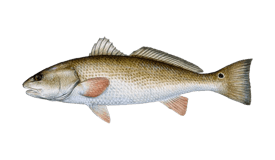
Redfish
Corvina-vermelha
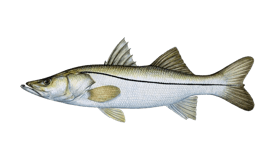
Snook
Flecha
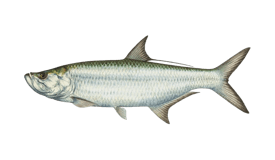
Tarpon
Tarpão

Resumo da Viagem

Redfish, Snook, and Tarpon are fired up! This week's fishing report for Tarpon Springs, New Port Richey, Dunedin, and Clearwater. The big three are in full force right now—overslot redfish on high-tide flats, trophy snook staged on current edges, and tarpon sliding across sand bars and shallow grass. Conditions: Water temp: mid 80s Clarity: generally clear with light stain on windward shores (lots of floating grass) Tides: strong highs with productive outgoing cycles Wind: light morning breeze, increasing mid‑day Moon: moving toward stronger tides; expect better current windows Best window: first light through late morning high, then the first half of the outgoing What’s biting Redfish — Some of the biggest reds of the year are pushing onto knee‑deep flats on the top of the high. Look for wakes and backs over turtle grass and pothole edges. Quiet approaches, long casts, and patient presentations are key. Once these fish spook they are extremely hard to catch. Snook — Quality fish are laid up along shaded mangrove edges and also stacked on deeper creek/current edges. When the water moves, they pin baits on the seam and crush anything that drifts naturally. Look for the sand color change line into deeper water on the bends of the creeks. Float your baits with the current and allow time for the bait to sink. Tarpon — Consistent 30–80 lb fish are showing on the sand bars, rolling across shallow grass, and even slipping back onto mangrove flats with the redfish on higher water. Watch for happy rollers and push wakes in protected stretches. Where and how Tarpon Springs — Work the outside sand bars at dawn for tarpon, then slide to nearby grass flats as the sun rises. On high water, check mangrove pockets for laid‑up snook and cruising tarpon. Redfish have been cruising shallow flats adjacent to cuts. New Port Richey — Deeper creek bends with steady current are holding big snook. On the top of the high, redfish are spreading onto clean grass with scattered potholes—approach from downwind, stake out early, and let the fish come to you. Keep an eye on bars near passes for midday tarpon glides. Clearwater / Dunedin — Expect similar patterns on outer bars and the first trough off the beach for tarpon; sheltered mangrove edges will hold snook during stronger afternoon tides. Tactics that worked Live bait: Live shrimp and live greenbacks presented up‑current to snook on creek edges; let them sweep naturally through the seam. For redfish on high, a shrimp pitched quietly ahead of a cruiser is deadly. Cut bait: Soaking fresh cut bait on the high‑tide flats has pulled oversized reds that are rooting around; give it time and keep noise low. Artificial lures: Subtle paddletails and jerk shads in Z-Man Houdini and Pearl on 1/8–1/4 oz heads for reds and snook; slow, level presentations over grass. For tarpon on the flats, keep a white soft jerkbait nose hooked and ready to slide in front of a roller between live-bait drifts. Stealth has been key. Drifting quietly; keep the trolling motor low and off when possible. Long leaders (25–40 lb depending on species) and accurate first casts are paying off. Family & beginner tip Morning 3 hour trip has been producing steady action without midday heat. Simple shrimp under a popping cork or float along calmer mangrove stretches keeps kids engaged and puts trout, snook, and occasional redfish in reach. Fly angler note Tarpon: intermediate lines with small crab or EP baitfish in olive/black or tan; present well ahead of the line and let them swim into it. Reds: unweighted shrimp/crab in tan/olive over knee‑deep grass; keep shots under 50 feet and land softly. Snook: black/purple or white deceivers pinned to the current seam. Outlook (next 7–10 days) With strengthening tides and stable temps, expect the high‑tide redfish sight game to stay hot, snook to feed harder on the first of the outgoing, and tarpon presence to build on bars and shallow grass during calm mornings. If winds stay light, plan for early tarpon then slide to snook / reds as sun and traffic increase. Keep an eye on the rain, storms are forecasted for almost every day in the 10 day forecast. Best trip length this week: 4‑hour inshore fishing charter for balanced redfish / snook action on the high and first of the outgoing; 6‑hour if you want a tarpon window plus time to shift to snook or reds. Prime morning tides are filling—if you’re eyeing tarpon or high‑tide reds, book soon. FAQ What time of day is best right now? - First light through late‑morning high, then the first of the outgoing for snook and reds; tarpon are most consistent at dawn with light wind. Which trip length should I choose? - 4‑hour for mixed inshore action; 6‑hour to include a serious tarpon shot plus time to change patterns. What baits are producing? Live shrimp and greenbacks, cut bait for overslot reds, and subtle paddletails / jerkbaits on light jigheads for stealthy presentations.
Paul Duffey
Clearwater, Florida, United States
⭐ PRIVATE • Family Friendly • INSHORE ⭐ thumbnail
Looking for a fun, private fishing trip during your Florida vacation? Tightlines Charter offers private inshore fishing charters from Clearwater, Florida, designed for families, beginners, and experienced anglers alike. We are great with first-time angler...

Outros relatórios deste charter

Incoming Tide Redfish Action in Palm Har
Agosto 12, 2026
Slicked-Out Morning in Palm Harbor - Redfish on the Incoming Tide Today’s three-hour charter started out of Palm Harbor with an incoming tide, 86-degree water temp, and a simple goal: keep the rods bent while giving ourselves a chance at a quality redfish. The family visiting from Maryland fishes quite a bit back home, so they were comfortable on the water. They normally spend their time chasing striped bass, which made our shallow-water inshore fishing a completely different experience. With a 10-year-old along for the trip, I wanted to balance good action with the opportunity to put a bigger fish in front of them. This 10 year fished like a seasoned pro and handled the biggest fish of the day with ease. We started by working the main oyster points on some islands where bait was popping in the current. The first stop produced redfish and trout, giving us a quick start and confirming that fish were already taking advantage of the rising water. From there we moved to another area with a shallow shelf alongside a deeper channel. The fish were holding up on the shelf in the potholes and grass, where we found a mixed bag of mangrove snapper, grunts and trout. It wasn't necessarily the fish we were looking for, but with a family charter I will take steady action while the better water develops rather than leave biting fish just to chase a particular species. As the tide continued to rise, the redfish bite improved. Our third stop was the difference-maker, producing several reds including the best fish of the evening, a solid redfish just shy of 27 inches. We added a few more redfish before the trip was over, along with a sail catfish to round out the species list. Overall, it was a good trip and a nice example of why I like fishing an incoming tide around Palm Harbor. We didn't need to make long runs or spend the entire trip searching. We let the tide push the bait, stayed mobile when we needed to and found multiple areas holding fish. If I had been scouting instead of running a three-hour charter, I would have stayed out later and fished the beginning of the outgoing tide. I would have liked to see how the redfish repositioned once the water started pulling back out and whether the falling tide would force some of the bigger fish out of the flooded areas and onto the edges where they were easier to target. Conditions: Incoming to dead high tide • 86°F water • Warm summer conditions • Waning crescent moon near the new moon Catch: Redfish • Speckled Trout • Mangrove Snapper • Grunts • Sail Catfish Another good day on the water and another piece of the Palm Harbor puzzle coming together.
Continuar lendo
Following the Falling Tide For Big Redfi
Agosto 9, 2026
Today's four-hour charter was timed around the peak of the morning high tide before fishing the first half of the outgoing tide. The 3.4-foot high tide made things a little more challenging by allowing fish to push deep into the flooded mangroves where they had plenty of places to feed and hide. Ideally, we would have started earlier in the morning, but this was the best window for the clients. After all, not many people want to wake up at 5:00 AM on vacation—and honestly, neither do I. The plan was to start deep in the flooded flats along the mangroves before gradually working toward deeper edges and transition areas as the tide fell. Conditions were warm with light winds, scattered clouds, and typical Florida summer weather that kept us watching the sky while still allowing us to cover plenty of water. A morning without thunderstorms was a welcome change of pace. The morning started with live shrimp under popping corks worked tight against mangrove shorelines and pockets where redfish often stage on high water. As the tide began to fall, we mixed in bottom presentations and covered a variety of nearby habitat including oyster edges, grass flats, creek mouths, and deeper shoreline transitions. By staying mobile and letting the tide dictate our next move, we were able to keep fresh water in front of us throughout the trip. The fish were definitely more spread out than concentrated, but each stop helped tell the story of what the tide was doing. As the water pulled out of the mangroves, the better opportunities shifted toward areas that provided a little more depth and current. Redfish were the primary target throughout the morning, with black drum showing up as well. By the end of the trip, we had landed several redfish along with a black drum, with fish coming from several different types of structure rather than one dominant pattern. While there wasn't a single "magic" location today, the fish rewarded staying patient and continuing to adjust with the changing tide instead of forcing one area to produce. That's often how summer fishing goes—keep moving, trust the conditions, and eventually the pattern reveals itself. What I Learned The outgoing tide continued to improve as the morning progressed. The falling water gradually pulled fish out of the flooded mangroves and into more predictable feeding areas. At peak high tide, there were simply too many places for them to hide. Fish weren't heavily grouped, so covering water was more important than camping on one spot. Mangrove shorelines produced early before the better bites shifted toward transition areas with moving water. Live shrimp remained the most productive bait throughout the trip. I think cut mullet would have produced as well, but there was no reason to change what was already working. Having a plan for mid-tide areas where shallow flats drained into deeper channels produced exactly as expected and reinforced how important it is to fish the tide instead of fishing memories. Every trip adds another piece to the puzzle. This wasn't the ideal tide to fish, but it was the best window for the clients, and that's part of being a charter captain. Rather than forcing one area to produce, we let the tide guide our decisions throughout the morning. In the end, the lesson wasn't about finding one magic spot—it was about understanding how fish reposition throughout the tide cycle and staying one step ahead of them.
Continuar lendo