Flounder fishing in Texas, United States draws anglers for good reason. Southern Flounder live across the Texas coast, and their white, flaky meat is a favorite at the table. These Flatfish ambush prey on sandy bottoms, so patient, precise presentations pay off.
Most trips focus on inshore fishing in bays, passes, and channels. Guides often drift or stalk shallow flats, then work soft plastics or live bait along the bottom. Jigging near current breaks is common. Nighttime gigging is another classic Texas option. You ride shallow boats with bright lights, spot resting Flounder, and make a careful stab with a multi-pronged spear. Some captains also offer bowfishing, which uses a bow set up for water.
Charter days are simple and hands-on. Captains handle the boat, tackle, and local tactics, so beginners learn fast. Expect short runs, steady casting, and quick hooksets when a fish thumps. Wear non-slip shoes, bring sun protection and drinks, and pack a small cooler for fillets if allowed. Trips suit families, first-timers, and skilled anglers chasing a tasty target.
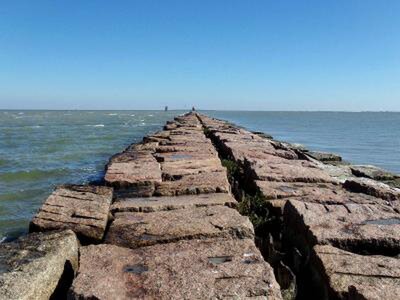
Texas offers broad, productive areas across the coast. The Upper Coast includes Sabine Lake and Galveston Bay with muddy bottoms and strong tides. The Middle Coast spans Matagorda and the Coastal Bend near Port O’Connor and Port Aransas. Farther south, Corpus Christi Bay and the Laguna Madre feature clear, shallow flats where sight-fishing shines. Jetties and ship channels can also produce larger fish.
Before you go, check Texas fishing rules. Confirm license and endorsement needs, season dates, and harvest limits for Flounder. Some areas have special nighttime or gear rules, especially for gigging and bowfishing. Your captain can explain current regulations, but you are responsible for following them.