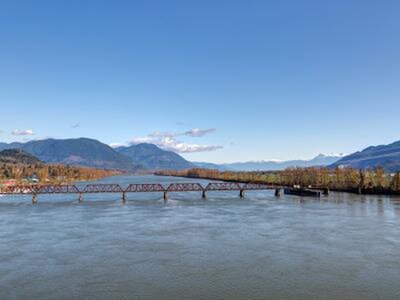
Fly fishing in Canada means clear water, wild fish, and big country. From rainforest rivers to alpine creeks and endless lakes, you can wade, float, or hike into fresh, uncrowded water. Cool summers and long autumns give you steady action and classic hatches.
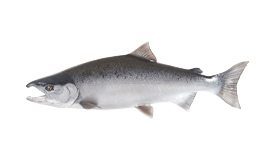
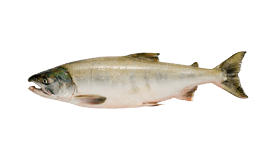
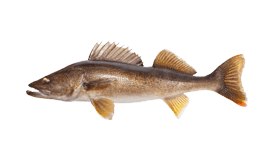
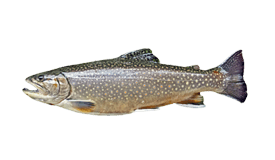
Anglers target Pacific Salmon like Chinook, Coho, Sockeye, Pink, and Chum in the west. In the east, Atlantic Salmon run powerful and bright. You can also find Steelhead, Brown Trout, Brook Trout, Lake Trout, Arctic Char, Grayling, Walleye, and Northern Pike. Many trips mix Trout in summer with Salmon or Steelhead in spring and fall.
Guides match tactics to the water. You might drift a nymph under an indicator, swing a streamer on a sink tip, or cast dry flies during evening hatches. Two-handed rods help on broad rivers, while 4–6 wt single-hand rods shine on smaller creeks. Heavier 7–9 wt setups handle Salmon, Pike, and windy days.
Trips range from easy half days near towns to multi-day lodge or fly-in adventures. Beginners and families are welcome, and most guides coach casting and safe fish handling. Bring layered clothing, polarized sunglasses, and a hat. Ask ahead about waders, flies, and tackle, as many operators provide the key gear.
Top areas include British Columbia’s coastal rivers and Vancouver Island, the Skeena watershed, and the Rocky Mountain waters of Alberta. Ontario’s Great Lakes tributaries offer Trout, Steelhead, and seasonal Salmon. Quebec and Newfoundland and Labrador are famous for Atlantic Salmon. Farther north, Yukon and the Northwest Territories hold Grayling and Lake Trout, with Arctic Char in remote northern waters.
Before your trip, check provincial rules. You will need the right fishing license and any required tags. Seasons, gear rules, and harvest limits vary by area. Your guide will have the latest information.