Offshore fishing in North Carolina, United States puts you close to the Gulf Stream, where warm currents meet rich Atlantic waters. Runs offshore are direct, and the payoff can be huge. Expect fast action, diverse species, and classic East Coast bluewater fishing.
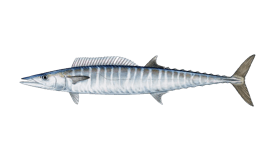
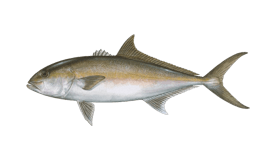
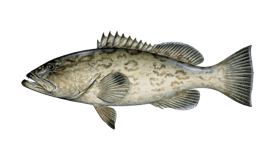
Spring through fall brings Mahi Mahi, Wahoo, Yellowfin Tuna, and Sailfish. Summer also sees shots at White Marlin and Blue Marlin. Winter can light up with Bluefin Tuna near temperature breaks. Year-round, Amberjack, Tilefish, and Grouper wait on deeper ledges and wrecks.
Captains often troll ballyhoo and lures along rips, weedlines, and color changes. They watch temperature breaks and birds to find bait fish. When conditions allow, kite fishing and chunking target Tuna. On structure, bottom fishing with heavy tackle produces Grouper, Tilefish, and other Groundfish.
Most trips run 10–12 hours to cover distance and fish hard. Crews provide rods, reels, and tackle, and coach beginners through each step. Boats are fast offshore sportfishing machines with space to relax between bites. Bring sun protection, a hat, snacks, non-slip shoes, and layers. If you get seasick, prepare before departure.
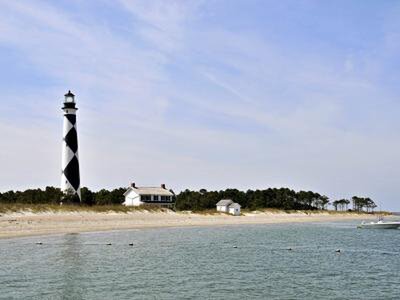
The Outer Banks offers quick Gulf Stream access from Oregon Inlet and Hatteras. The Crystal Coast around Morehead City, Beaufort, and Cape Lookout is a proven launch point. Farther south, Wilmington and Wrightsville Beach reach the Frying Pan area fast. Onslow Bay near Surf City and Sneads Ferry holds reliable edges and wrecks.
Regulations change offshore, including rules for Billfish and Tuna. Check current North Carolina and federal license, permit, season, and harvest rules before your trip. Many crews practice catch-and-release for Billfish and follow best handling practices. Your captain will advise on what is in season and what you can keep.