Flounder Gigging in North Carolina, United States is a unique night adventure along calm sounds, tidal creeks, and shallow marsh flats. You glide over clear, skinny water under bright lights and spot Flatfish resting on the bottom. It is hands-on, exciting, and a great way to see coastal North Carolina after dark.
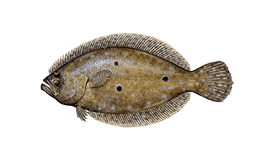
This technique targets Southern Flounder and Summer Flounder (also called Fluke). You may also see Mullet, Needlefish, Shrimp, and Blue Crabs cruising the lights. Flounder bury in sand or mud and rely on camouflage, which makes them perfect for gigging when they move shallow to feed.
Your crew uses a shallow-draft boat with LED lights to reveal the seafloor. A gig is a sturdy, multi-pronged spear. The captain poles or idles slowly until a Flounder is spotted. You aim just behind the head and make a quick, firm thrust. Some trips also offer wading in hard-bottom areas when conditions allow.
Trips usually start at sunset and run into the night when the water is calm and clear. Beginners, families, and seasoned anglers all do well because the action is visual and guided. Captains typically supply gigs, lights, and safety gear. Wear non-slip shoes, bring a light jacket for the breeze, and pack drinks and snacks. Expect quiet waters, starry skies, and steady scanning for that Flounder outline.
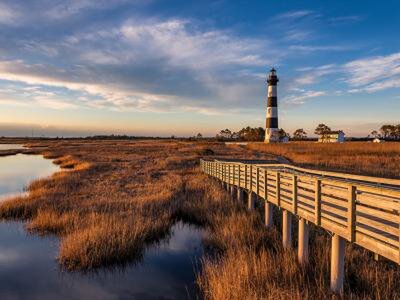
North Carolina offers prime grounds from the Outer Banks and Albemarle and Pamlico Sounds to the Crystal Coast. Productive areas also include the Cape Fear River estuary, Brunswick County backwaters, and the flats around Morehead City, Swansboro, and Topsail. Broad bays, sandy points, and grass-lined creeks are classic gigging zones.
Before you go, check current North Carolina fishing license rules and whether your charter covers them. Review the latest season dates, areas, and harvest regulations for Flounder, as these can change. Your captain will guide you, but it is wise to confirm the rules for your trip.