Spearfishing in Florida, United States lets you slip beneath warm, clear water and hunt by sight. Reefs, wrecks, and bluewater meet here, giving divers steady action and great visibility for much of the year.
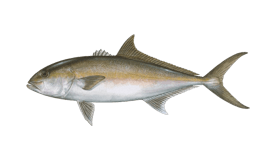
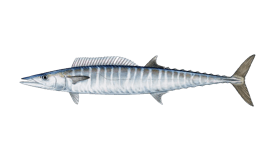
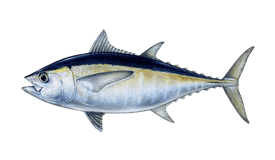
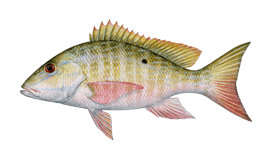
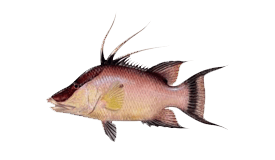
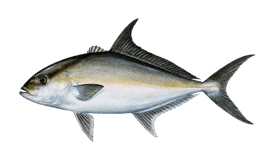
You can target Mangrove Snapper, Mutton Snapper, Hogfish, and several Groupers. Around wrecks and reefs, you may see Amberjack, Cobia, and King Mackerel. Farther offshore, Mahi Mahi and Wahoo cruise the bluewater. Many divers also take Lionfish to help reefs and enjoy tasty fillets.
Most trips use freediving or scuba. Freediving means diving on a single breath. Scuba uses air tanks. Beginners often start on shallow reefs and ledges. Experienced spearos may try deeper wrecks or drift bluewater with a float line and flag for visibility.
Trips usually run half day or full day. Captains give a safety briefing, choose spots for the day, and guide your drops. Many charters provide gear, but you can bring your own mask, fins, and gloves. Pack water, reef-safe sunscreen, and a dry towel. Scuba divers should bring their certification card. Families and first-timers are welcome on beginner-friendly sites.
Florida offers something in every region. The Florida Keys deliver year-round reef and wreck dives with bluewater nearby. Southeast Florida has Gulf Stream reefs from Miami through Palm Beach. The Treasure and Space Coasts see seasonal pelagics and nearshore reefs. The Panhandle features clear summer water and many artificial reefs. The Gulf Coast from Tampa Bay to Naples offers wrecks, patch reefs, and calm days.
Before you go, check Florida’s license and permit rules, seasons, and harvest limits. Some areas are off-limits, and freshwater is closed to spearfishing. Use a dive flag, keep safe distances, and follow local regulations.