Dec 25 – Clearwater Holiday Fishing: Mix

Декабрь 23, 2025 Clearwater 1 фото
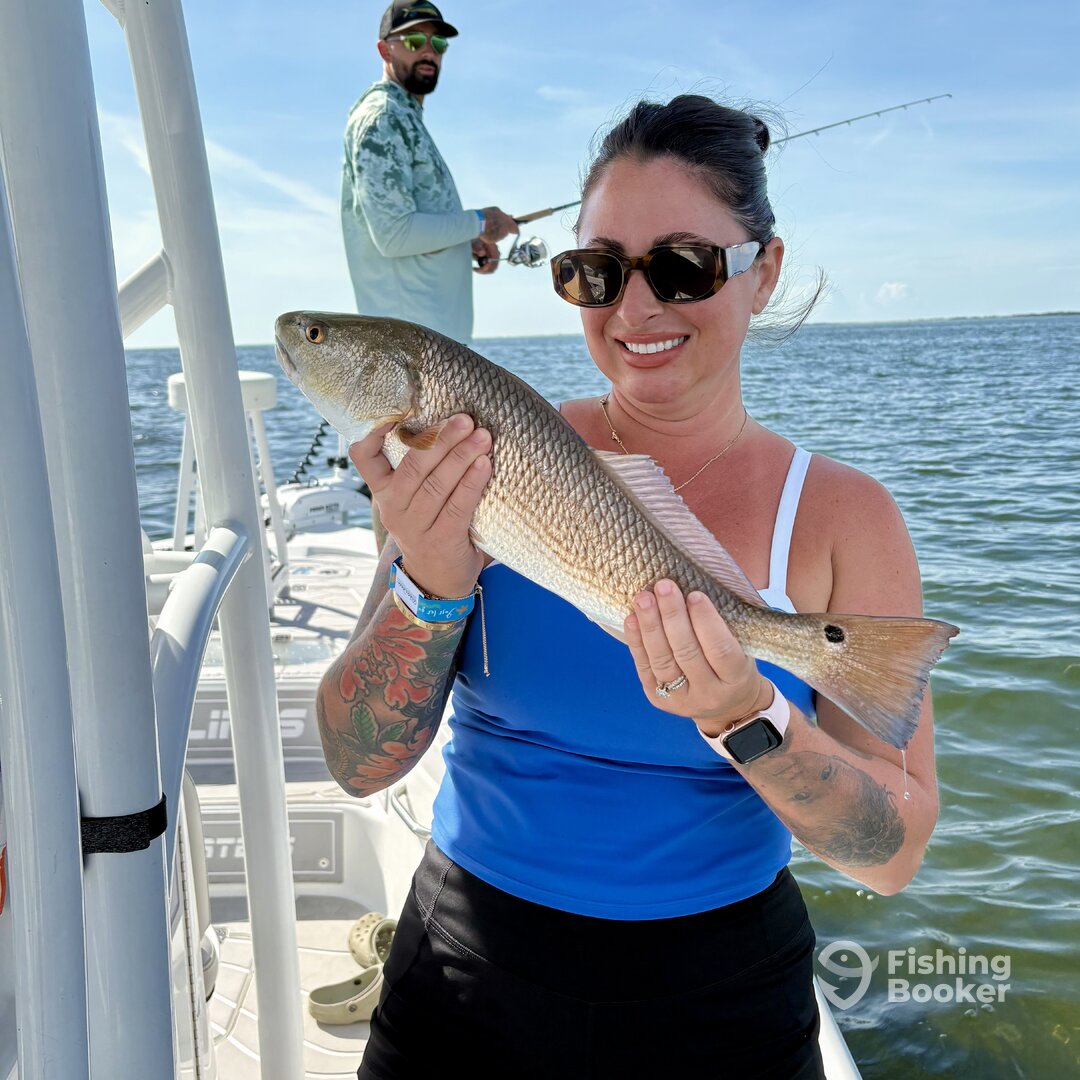
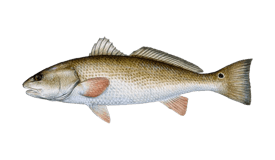
Redfish
Красный барабанщик
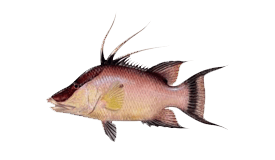
Hogfish
Hogfish
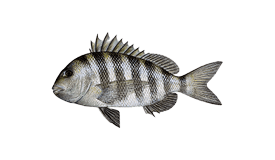
Sheepshead
Sheepshead
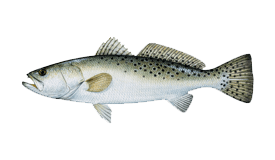
Speckled Trout
Пятнистая форель

Описание тура

Merry Christmas from the Tightlines family to yours! The holiday week brought great weather, smiling faces, and exactly what winter anglers hope for—steady, mixed‑bag inshore action throughout the Clearwater area. Our family‑friendly fishing charters found consistent bites around docks, seawalls, and channel edges across Clearwater Harbor and the Gulf, producing a variety of species that kept rods bending for families, visiting relatives, and groups enjoying time on the water during the holidays. This Week’s Fishing Report Holiday conditions lined up perfectly for inshore fishing around Clearwater. Cooler winter water temperatures stabilized the bite, lighter boat traffic opened up prime structure, and fish stayed grouped up in predictable areas all day. We focused on dock lines with tidal movement, deeper residential canals, barnacle‑covered seawalls, and channel edges that held bait. The mixed‑bag pattern made for fun, fast‑paced trips. Sheepshead continued to feed aggressively on structure, mangrove snapper showed well around docks, and black drum added steady action. We also picked up juvenile grouper and the occasional trout on deeper edges. This style of fishing is perfect for families and first‑time anglers because bites are frequent, techniques are simple, and there’s always something happening. Species Caught This Week: Sheepshead Mangrove snapper Black drum Redfish (Red Drum) Speckled Sea Trout Snook The diversity kept trips exciting and gave kids and first‑time anglers plenty of opportunities to catch fish. Why Holiday Weeks Are Great for Inshore Fishing Holiday weeks are some of the best times of the year to fish Clearwater’s inshore waters. Reduced boat traffic allows fish to settle into comfortable patterns, and cooler water temperatures keep them tight to structure. Combined with calm winter conditions, this creates an ideal environment for family fishing trips where kids can stay engaged and parents can relax and enjoy the experience. Book Your Holiday & Winter Fishing Trip If you’re visiting Clearwater for the holidays or planning a winter getaway, now is a great time to get on the water. Our family‑friendly inshore fishing charters are perfect for kids, beginners, and anyone looking for a fun outdoor activity during their stay. Trips fill quickly during the holiday season, so be sure to reserve your date in advance and make fishing part of your Clearwater vacation. Next Week’s Fishing Preview Clearwater Canal Snook Fishing. Looking ahead, warming afternoon temperatures and stable winter patterns should push snook deeper into residential canals throughout Clearwater and St. Joseph's Sou. Expect the best action around docks, seawalls, and deeper bends during the warmest part of the day. These canal snook patterns offer exciting sight‑fishing opportunities and steady bites in protected water, making next week another excellent option for family‑friendly inshore fishing trips.
Paul Duffey
Clearwater, Florida, United States
⭐ PRIVATE • Perfect for Beginners • INSHORE ⭐ thumbnail
Whether it's your family's first saltwater fishing adventure or you're an experienced angler looking for quality inshore fishing, every trip with Tightlines Charter is customized around your group's goals. We'll match the trip to your experience level, th...

Другие отчеты с этой рыбалки

Weather Windows and Scattered Fish | Tar
Август 1, 2026
Today's trip was originally scheduled earlier in the week but Mother Nature had other plans. After several days of thunderstorms, heavy rain, lightning, and dramatic tide swings, we finally found a weather window to get Erin and her family from Minnesota out on the water. Conditions Launch: 9:00 AM Wind: W to WSW around 8–12 mph Tide: Falling from the early morning high toward a 9:23 AM low before beginning to rise again. Water: Plenty of fresh water from the week's rains with stained water in several areas. The Plan With the weather settling down, I knew this wasn't going to be a "go back where they were yesterday" kind of day. The combination of heavy rain and rapidly changing water levels had fish spread out, so the plan was simple: Keep moving until we found consistent life. We worked three different areas throughout the two hour trip. Spot 1: A protected shoreline with moving water that normally holds quality fish after a front. We found a few willing fish on the protected side of the island with some live shrimp under a popping cork. Plenty of smaller fish, but nothing much over the 20-inch mark. Spot 2: Mangrove points and adjacent pockets on a larger island. The bite improved with plenty of action from smaller redfish, keeping everyone involved while we searched for a larger fish. We also had a nice mid-sized snook come unbuttoned boatside. Spot 3: Another shoreline with good current and structure where we hoped a better fish would be waiting. About 30 minutes after the tide change, this shoreline started to come alive and produced a few better fish, but still no trophies. What Worked: The fish that did bite were aggressive enough to keep rods bent, and for a family trip that's exactly what you want. Erin and the kids stayed engaged the entire morning, caught a few redfish, and got to experience some classic Florida inshore fishing. What Didn't Work The trophy bite simply wasn't there today. After a week of unstable weather, lightning, heavy rainfall, and significant tide swings, the larger fish seemed scattered and never really grouped up in their normal feeding areas. Rather than grinding one location hoping for a single big bite, we kept moving to put fish in the boat and make sure everyone had opportunities. The cloud cover, floating grass, and moving water also made it nearly impossible to spot fish from the tower, taking away one of my favorite ways to locate quality redfish this time of year. Sometimes the best decision isn't chasing the fish you want to catch—it's finding the fish that are willing to play. Even on tougher days, seeing kids catch fish and watching a family enjoy time on the water makes the trip worthwhile. Thanks again to Erin and her family for rolling with the conditions. Hopefully Minnesota felt just a little farther away for a couple of hours. Until next tide, Captain Paul
Читать далее
What is Shallow-Water Inshore Fishing?
Июль 9, 2026
When most people think of a fishing charter, they picture a large boat running offshore, anchoring over a reef, and waiting for fish to bite. While those trips can be a great experience, they're completely different from the style of fishing we specialize in at Tightlines. Shallow-water inshore fishing is active, fun, technical (if you want it to be), and constantly changing. Every trip is built around the tides, wind, water clarity, fish behavior, and your experience level. Rather than following the same route day after day, every trip is customized to the conditions we're given. The goal isn't simply to put a bait in the water—it's to understand where fish should be, why they're there, and make the right presentation when the opportunity comes. The Tide Decides Everything One of the biggest surprises for first-time guests is learning that we have different spots for different tides. I don't always decide where we'll fish before leaving the dock. Instead, I make that decision based on the water level I'm seeing, what the wind is actually doing compared to the forecast, water clarity, cloud cover, and several other "in-the-moment" factors. A flat that was full of bait and feeding redfish yesterday might be nearly empty today if the tide, wind, or water clarity changes. Likewise, a mangrove shoreline that looked lifeless on the last trip may suddenly become one of the best spots on the water. Rather than running the same route every morning, we stay flexible and let the conditions guide every decision we make. Every Spot Has a Purpose We aren't randomly casting at shorelines. Every stop is selected for a reason. Depending on the season, tide, wind, and water temperature, we may target: Shallow grass flats where redfish cruise while feeding. Mangrove shorelines where snook wait in the shade to ambush baitfish. Oyster bars that attract bait and feeding predators. Small channels and drop-offs that provide cooler water and moving current during the heat of summer. Open turtle grass flats where trout spread out to feed. Many of these areas only produce under very specific conditions. Learning when each one comes alive takes years of scouting, countless hours on the water, and paying attention to the smallest details. Success Comes From Staying Mobile One of the biggest differences between inshore fishing and many other types of fishing is that staying in one place rarely produces the best results. Now, the cardinal rule of guiding is "You don't leave fish to find fish" but if the conditions aren't right or the fish aren't active, we will absolutely move. Usually the next stop isn't far. Sometimes it's just the opposite side of an sandbar or only a few hundred yards away. Every move has a purpose and is designed to keep us around active fish throughout the trip. One thing I've learned over the years is that knowing where the fish aren't can often be just as important as knowing where they are. Accuracy Matters More Than Power Most of the fish we target live around structure. Structure takes many forms on the water. Snook tuck beneath mangrove roots or cruise open flats where their speed gives them a huge advantage. Redfish often feed along grass edges, oyster bars, and shallow shorelines. Trout roam potholes in turtle grass flats, but even they relate to subtle depth changes and concentrations of bait. Because of that, making an accurate cast is often more important than using heavy tackle. In fact, the light tackle we use not only gives us an advantage, it also makes every fish feel bigger and every fight more exciting. Landing a bait just inches from the mangrove shade line can be the difference between an immediate strike and no bite at all. Every Trip Is Different One of the reasons I love guiding is that no two days are ever exactly alike. Changing tides, weather, bait movement, and seasonal fish patterns mean we're constantly adapting our plan. Some trips focus on sight casting to cruising redfish and snook in crystal-clear water. Others involve quietly working live bait beneath mangroves for snook and mangrove snapper. Sometimes we're blind casting across grass flats searching for trout. Every day presents a new puzzle, and solving that puzzle is one of the most rewarding parts of inshore fishing. It's About the Experience The best days aren't solely measured by the number of fish caught. Watching a redfish push a wake across a shallow flat, making the perfect cast beneath a mangrove branch, or feeling a snook explode on a bait only a few feet from the boat creates memories that stay with anglers long after the trip ends. It could be someone's first redfish, breaking a personal best snook record or jumping your first Tarpon. That's what makes shallow-water inshore fishing different. It's active, personal, fun, and constantly changing. Most of the time you're not simply waiting for something to happen—you're hunting fish, reading the water, listening to the Captain's directions and becoming part
Читать далее