Tarpon Springs Snook Fishing Report – Hi

Mai 23, 2026 Tarpon Springs 1 Foto
Snook
Snook

Beschreibung des Ausflugs

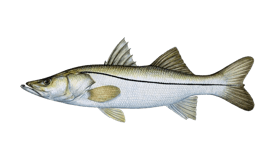
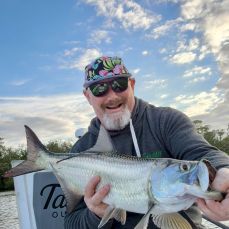
The higher tides this week have pushed quality snook deep into the mangrove islands from Clearwater Beach to Tarpon Springs and New Port Richey. We’ve been getting exciting sight fishing opportunities at fish over 30 inches cruising flooded shorelines and laying tight to mangrove pockets in extremely shallow water. The challenge has been getting these fish to commit. Calm conditions and clear water have made presentations critical, with many snook following or inspecting baits before turning away at the last second. Long casts, quiet boat positioning, and natural presentations have been the key to getting bites. Soft plastics, weightless presentations, and live bait have all produced depending on current flow and water clarity. Redfish and a few trout are still mixed in along oyster edges and shallow mangrove points as well. The 3-hour and 4-hour private inshore charters continue producing the best action during these prime feeding windows, especially around moving water and cleaner tides. If you’re looking for technical shallow-water sight fishing along Florida’s Gulf Coast, this is one of the best times of year to target big snook in the backcountry. ? Clearwater • Dunedin • Palm Harbor • Tarpon Springs • New Port Richey ? Tightlines Charter – Private Inshore Fishing Trips
Paul Duffey
Tarpon-springs, Florida, United States
TIGHTLINES CHARTER - Inshore Light Tackle thumbnail
Stalk redfish, snook, trout, and seasonal tarpon in some of Florida's most productive shallow-water habitat. These are active, hands-on fishing trips focused on hunting fish in skinny water along grass flats, mangrove shorelines, oyster bars, and tid...

Andere Berichte von diesem Charter

Summer Snook Fishing Along Florida's Gul
Juni 25, 2026
Summer is prime time for big snook in St. Josephs Sound on Florida's Gulf Coast. From the mangrove islands surrounding Anclote Key to the beaches and sandbars near Tarpon Springs, some of the largest snook of the year are now feeding along our coastline. While summer offers incredible opportunities, targeting trophy snook is rarely easy. These fish didn't grow big by making mistakes, and every bite is earned. If you're looking for a true challenge on an inshore fishing charter, few fish compare to a mature Gulf Coast snook. Big Snook Live Where They Feel Safe During the summer months, large snook spread throughout the mangrove shorelines, oyster-lined points, and island edges surrounding barrier islands like Anclote Key and Honeymoon Island. These areas provide shade, ambush points, and easy access to bait. Many of our summer trips focus on getting out early, quietly working mangrove island edges, looking for fish laid up in the shade or cruising the shoreline waiting for an easy meal. As water temperatures continue to rise, many of the biggest fish also move onto the beaches and shallow sandbars. These open-water fish are often some of the largest snook we'll encounter all year. Seeing Big Snook and Catching Big Snook Are Two Different Things One thing every angler quickly learns about trophy snook is that seeing them is only half the battle. These fish don't get big by being stupid. On our inshore fishing trips we may see multiple giant snook cruising a shoreline, laid up beneath overhanging mangroves, or swimming the beach in crystal-clear water. Just because you can see them doesn't mean they'll eat. In many ways, hunting large snook is very similar to targeting tarpon. The challenge isn't just finding the fish — it's convincing them to bite. Some days you'll make perfect casts to fish you can clearly see and still never get the rod bent. Other days, everything comes together, and that one fish finally commits. When it happens, the payoff makes every missed opportunity worth it. The hunt itself is a huge part of what makes snook fishing so addictive. Early Mornings Offer the Best Opportunity Low-light periods are often the best time to target large summer snook. Early mornings allow us to fish before heavy boat traffic, bright sun, and increasing water temperatures begin affecting fish behavior. Dawn and the first few hours after sunrise can produce some of the most aggressive feeding activity of the day. Large snook are much more comfortable moving and feeding under lower light conditions, especially along shallow shorelines and beaches. For anglers looking specifically for trophy fish, getting an early start can make a tremendous difference. Live Shrimp and Pinfish Continue to Produce While artificial lures certainly have their place, live bait, on light tackle, continues to be one of the most consistent ways to target big summer snook. Live shrimp remain an excellent option when fishing mangrove edges, docks, and deeper shoreline structure. Live pinfish are another favorite when specifically targeting larger fish. Big snook rarely pass up a well-presented live pinfish around mangrove points, beach troughs, and current edges. Matching the bait presentation to the conditions and the mood of the fish often makes the difference between simply seeing fish and actually catching them. Book Your Summer Snook Charter Summer offers some of the best opportunities of the year to target trophy snook along Florida's Gulf Coast. Whether we're quietly working mangrove shorelines of St. Josephs Sound or searching the beaches and sandbars for cruising giants, every trip offers the possibility of encountering the fish of a lifetime. If you're ready to experience the challenge of hunting big Gulf Coast snook, now is a great time to get on the water.
Weiterlesen
St. Joseph Sound Fishing Report: Redfish
Juni 15, 2026
June continues to provide excellent opportunities for inshore anglers targeting redfish, snook, and tarpon throughout St. Joseph Sound, Clearwater Harbor, and the Anclote Anchorage. Higher water levels have fish pushing deeper into mangrove shorelines, while early morning tides continue to offer some of the best sight fishing conditions of the season. The combination of clear water, healthy grass flats, and abundant bait has created consistent action for anglers fishing shallow water along Florida's Gulf Coast. This past week, redfish have been feeding aggressively along mangrove edges, oyster-lined shorelines, and flooded high-tide flats throughout St. Joseph Sound. Many of our best opportunities have come during the first few hours of moving water when fish are actively cruising and looking for an easy meal. Anglers fishing both live bait and artificial lures have found success when presentations are kept quiet, accurate, and well ahead of the fish. Snook fishing has also remained productive, especially around shoreline points, small cuts, and ambush areas where bait is concentrated. Water temperatures climbed to nearly 90 degrees this week, making the early morning 3-hour trips some of the most productive outings of the season. Several fish have been holding tight to the mangroves, making accurate casts especially important. Using the wind to help carry baits naturally into the mangrove edges has been a big advantage this week. One of the more exciting developments has been the number of tarpon showing up across the grass flats. Rather than simply migrating along the beaches, many fish have been actively rolling and feeding in shallow water while chasing schools of ladyfish, greenbacks, and pinfish. These feeding fish have created some exciting opportunities for anglers willing to stay mobile and cover water. Early morning incoming tides were particularly productive early in the week, with tarpon frequently showing themselves around bait concentrations. The abundance of bait throughout the area continues to drive much of the action. Large schools of greenbacks, pinfish, and other forage species have been holding across the flats and along the edges of deeper channels. Wherever bait concentrations have been found, predator fish have rarely been far away. The clear water conditions have also allowed for some excellent sight fishing opportunities. Using a stable, shallow-draft skiff allows us to quietly access areas that larger boats often pass by, giving anglers a chance to target fish in water only a few inches deep. Watching a redfish push water across a flat or seeing a tarpon roll ahead of the boat is one of the most exciting experiences in inshore fishing. We have also been finding quality snook on the higher tides along the sandy flats and shorelines surrounding the barrier islands. As we move deeper into June, anglers can expect redfish and snook opportunities to remain strong while tarpon activity continues throughout the Clearwater area, St. Joseph Sound, Tarpon Springs, and surrounding Gulf Coast waters. With healthy bait populations and stable summer conditions, the fishing should remain productive for weeks to come. Book your trip today or give Captain Paul a call to discuss the tides, conditions, and fishing opportunities that best match what you want to do. Whether you're looking to sight fish shallow flats for redfish, target aggressive snook along the mangroves, or chase rolling tarpon across the grass flats, we'd love to get you out on the water and show you what makes this fishery so special.
Weiterlesen
June Fishing Report: Why St. Joseph Soun
Juni 11, 2026
St. Joseph Sound is one of the most productive stretches of water anywhere along Florida's Gulf Coast, and June is one of the best times of year to experience it. Located between the Anclote Anchorage to the north and Clearwater Harbor to the south, St. Joseph Sound is bordered by barrier islands like Anclote Key, Three Rooker Island, and Honeymoon Island. This unique fishery combines shallow grass flats, oyster bars, mangrove shorelines, spoil islands, and nearby deep-water access that consistently holds gamefish throughout the year. Water temperatures are on the rise, and baitfish activity has exploded across the Sound. Threadfin herring, pinfish, mullet, and glass minnows push across the turtle grass flats, creating feeding opportunities for some of Florida's most sought-after inshore species. Tarpon, in particular, follow these bait schools closely, and it's common to find them actively feeding during the early morning hours. Redfish continue cruising mangrove edges and oyster-lined shorelines, while snook become increasingly aggressive as they settle into their summer patterns. Speckled trout remain scattered throughout the deeper grass flats and potholes, especially during the cooler parts of the day. One of the things that makes St. Joseph Sound truly special is its diversity. Few places on Florida's Gulf Coast allow anglers to fish expansive shallow flats, target structure-oriented fish along mangrove shorelines, and quickly transition to nearby channels and passes without running long distances. This variety allows us to adapt each trip based on tides, feeding activity, wind conditions, and information gathered from previous trips throughout the week. The northern portions of the Sound, particularly near the mouth of the Anclote River and the waters surrounding Anclote Key, have seen increasing snook activity. These fish utilize mangrove-lined shorelines, beachfront structure, and oyster bars to fuel their summer feeding patterns. Redfish remain a consistent option throughout the region, often found pushing across shallow flats during periods of lower water or staging around mangrove shorelines on higher tides. Further south, toward the Dunedin Causeway and Honeymoon Island, the Sound's expansive grass flats and potholes continue to produce quality trout, along with opportunities for redfish and seasonal tarpon moving through the area. The protected nature of St. Joseph Sound also allows anglers to find productive water even when stronger winds impact other parts of the Gulf Coast. The constant movement of water around barrier islands like Three Rooker helps flush bait throughout the system, creating feeding opportunities that gamefish take full advantage of. For anglers looking for a true Florida flats fishing experience, St. Joseph Sound offers a little bit of everything. Crystal-clear water, abundant wildlife, diverse habitats, and year-round fishing opportunities combine to create one of the most unique fisheries in the state. Whether you're new to inshore fishing or have spent years chasing redfish and snook, the Sound provides a constantly changing environment that rewards patience, observation, and adaptability. Patience on the flats, especially this time of year, is often the difference between a good day and a great one. I have to remind myself of that from time to time, particularly when exploring new areas. If you find a spot that has all the ingredients that should hold fish and nothing seems to be happening, give it time. If the tide is right, the bait is present, and the habitat looks right, the fish are there. Stay ready. These fish are predators, and they're not always out in the open putting on a show. They're tucked deep into mangrove roots, laid up in turtle grass, or positioned on structure waiting for the perfect opportunity to strike. I've experienced countless situations where a flat appears lifeless, only for a big snook to suddenly slide out of the shadows, or a group of redfish to materialize behind a school of mullet as if they had been there all along. Flats fishing has a way of rewarding those who stay patient and pay attention. Be patient, trust the conditions, and be ready when the moment comes. At Tightlines Charter, these waters are more than just another fishing destination. St. Joseph Sound serves as our home fishery and provides access to some of the best shallow-water opportunities between Clearwater and New Port Richey. I chose to build my charter business around this area because of the incredible diversity it offers and the ability to consistently put anglers on fish throughout the year. It allows me to build every trip around wind, tide, and the fish that are feeding best that day. Whether that means sight fishing the flats for redfish, working mangrove shorelines for snook, or targeting trout across deeper grass beds, St. Joseph Sound offers everything that makes Florida a true sportsman's paradise. A lot of my success comes from
Weiterlesen