Hero Banner
Hero Banner

Taimen Fishing

The best out of 4 Taimen Fishing deals - enter destination and dates to check availability

Nearest Taimen fishing charters

4 charters in map area
Listing image
26 ft
Up to 6 persons
Instant Confirmation
5 bookings in the past week.
Trips from
US $835
Listing image
Up to 10 persons
New
Instant Confirmation
Trips from
US $1,000
Listing image
Up to 12 persons
Instant Confirmation
Trips from
US $7,000
Listing image
13 ft
Up to 8 persons
Instant Confirmation
Trips from
US $920

Nearest Taimen fishing charters

Nearest Taimen fishing destinations

About Taimen fishing

Size
70–120 cm (28–47")
Food Value
None
Game Quality
Excellent

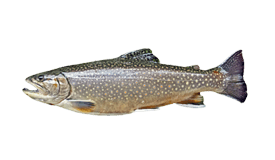
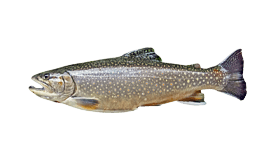
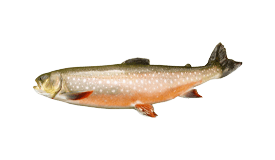
Taimen are large, freshwater members of the Salmonid family native to rivers in Russia, Mongolia, and parts of China. Known for their elongated bodies, powerful build, and striking red or copper-colored tails, they're a sought-after game fish due to their aggressive feeding behaviour and explosive strikes.

Most closely related to their European cousins, Huchen, Taimen also belong to the same family as Salmon, and are similar in appearance and game quality to Pacific Salmon and certain Trouts. 

How big?

While most Taimen caught average between 15 and 30 kilograms (33–66 pounds), the IGFA record was set at 15.80 kilos (101 pounds). As these are slender fish, you can expect the average catch to measure between 70 and 120 centimeters (28–47 inches), with a maximum length of around 180 centimeters (71 inches). 

Distribution

Much like their European and Pacific relatives, Taimen prefer pristine, cold-water systems with minimal human activity. They're, therefore, native to isolated rivers with deep pools and rocky riffles. They spread across Siberia and Mongolia, and even swim into parts of China, with river systems such as the Eg-Uur and Delger Moron in Mongolia and the Tugur in Russia proving to be particular hotspots. 

How to Catch

Taimen are a favorite target for fly anglers, as you'll want to create minimal disturbance to get these fish to bite. Try riggle-hitched mouse patterns or large dry flies that mimic rodents if you're looking for surface strikes, while white, black, or tan streamers measuring around 3–10 inches on sinking lines work well near bottom structures. 

If you're going out with spinning gear, head out during low-light hours for the best chance at enticing a bite. Use medium-heavy rods and reels, with heavy lures to target fish in deep pools. After a missed strike, immediately recast – Taimen often attack two or three times in frustration.

These fish are most active after the spring thaw and before the waters freeze over in winter. However, you should be very careful if fishing for them in spring, as these are when they're most sensitive. As these fish are protected, make sure to use barbless, wide-gap hooks to ensure a safe release at all times, along with rubber nets and other specialized gear.

Good to eat?

As Taimen are a protected species in Mongolia and most other places, harvesting these fish is illegal. However, many people used to fish for them for sustenance, and we can assume that their meat is similar to other Salmonids.

Habitats

Taimen are large, freshwater members of the Salmonid family native to rivers in Russia, Mongolia, and parts of China. Known for their elongated bodies, powerful build, and striking red or copper-colored tails, they're a sought-after game fish due to their aggressive feeding behaviour and explosive strikes.

Most closely related to their European cousins, Huchen, Taimen also belong to the same family as Salmon, and are similar in appearance and game quality to Pacific Salmon and certain Trouts. 

How big?

While most Taimen caught average between 15 and 30 kilograms (33–66 pounds), the IGFA record was set at 15.80 kilos (101 pounds). As these are slender fish, you can expect the average catch to measure between 70 and 120 centimeters (28–47 inches), with a maximum length of around 180 centimeters (71 inches). 

Distribution

Much like their European and Pacific relatives, Taimen prefer pristine, cold-water systems with minimal human activity. They're, therefore, native to isolated rivers with deep pools and rocky riffles. They spread across Siberia and Mongolia, and even swim into parts of China, with river systems such as the Eg-Uur and Delger Moron in Mongolia and the Tugur in Russia proving to be particular hotspots. 

How to Catch

Taimen are a favorite target for fly anglers, as you'll want to create minimal disturbance to get these fish to bite. Try riggle-hitched mouse patterns or large dry flies that mimic rodents if you're looking for surface strikes, while white, black, or tan streamers measuring around 3–10 inches on sinking lines work well near bottom structures. 

If you're going out with spinning gear, head out during low-light hours for the best chance at enticing a bite. Use medium-heavy rods and reels, with heavy lures to target fish in deep pools. After a missed strike, immediately recast – Taimen often attack two or three times in frustration.

These fish are most active after the spring thaw and before the waters freeze over in winter. However, you should be very careful if fishing for them in spring, as these are when they're most sensitive. As these fish are protected, make sure to use barbless, wide-gap hooks to ensure a safe release at all times, along with rubber nets and other specialized gear.

Good to eat?

As Taimen are a protected species in Mongolia and most other places, harvesting these fish is illegal. However, many people used to fish for them for sustenance, and we can assume that their meat is similar to other Salmonids.