Diamond Jigging for effect!
Ottobre 11, 2023
Clinton
7 foto & 1 video

 +5
+5
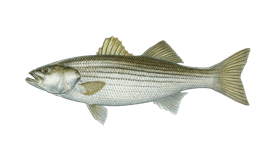
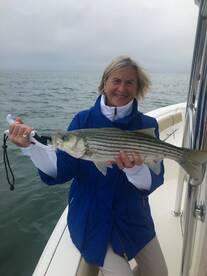
Striped bass

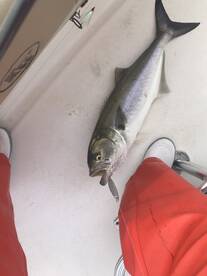
Bluefish (Tailor)
Riepilogo della Battuta
Riepilogo della Battuta
Diamond Jigging Techniques: Diamond Jigging is a versatile fishing technique that can be highly effective in a variety of conditions, particularly when targeting species like bluefish and striped bass. Understanding the nuances of diamond jigging techniques and matching the hatch are key elements to success in this method of fishing. Here's a breakdown of diamond jigging techniques and the conditions in which it works well:
Diamond Jigging Techniques:
• Vertical Jigging:
The most common technique used in diamond jigging involves dropping the lure vertically into the water column and then jigging it upward in a sharp, erratic motion. This mimics the movement of injured or fleeing baitfish, which can trigger aggressive strikes from predatory species like bluefish and striped bass.
• Fluttering:
Another effective technique is to let the diamond jig flutter down through the water column after it's been dropped. This imitates the natural descent of wounded baitfish, enticing strikes from opportunistic predators lurking below.
• Speed Jigging:
Speed jigging involves quickly retrieving the lure through the water at varying speeds, creating a darting, erratic motion that can trigger reaction strikes from actively feeding fish.
• Bottom Bouncing:
When fishing in deeper waters or around underwater structures, anglers can employ a bottom-bouncing technique by allowing the diamond jig to sink to the bottom and then bouncing it along the seabed to mimic the movement of foraging prey.
• Conditions for Diamond Jigging:
Clear Water: Diamond jigging tends to work best in clear or moderately clear water conditions where fish have good visibility and can easily spot and target the lure.
• Active Feeding Times:
Fishing during periods of high activity, such as dawn, dusk, or during tidal changes, can increase your chances of success with diamond jigging. These are times when predatory fish are actively feeding and more likely to strike at passing lures.
• Presence of Baitfish:
Diamond jigging is most effective when there is a significant presence of baitfish in the area. Pay attention to signs of baitfish activity such as surface disturbances, diving birds, or baitfish flickering near the surface.
Structure and Current:
Fishing near underwater structures such as reefs, rock piles, drop-offs, or submerged ledges can increase your chances of encountering predatory fish. Additionally, fishing in areas with moderate to strong currents can attract fish to your lure.
Matching the Hatch:
Matching the hatch involves selecting diamond jigs that closely resemble the size, shape, and coloration of the predominant baitfish in the area.
Pay attention to the species of baitfish present and adjust your lure selection accordingly. For example, if silversides or sand eels are abundant, opt for smaller, slender-profiled diamond jigs in silver or natural hues. If larger bunker or herring are prevalent, choose larger, bulkier jigs in darker colors like blue or green.
By mastering diamond jigging techniques, understanding optimal fishing conditions, and carefully matching the hatch, anglers can enhance their chances of success when targeting bluefish, striped bass, and other predatory species in New England's coastal waters.

Joseph Podchaiski
Clinton, Connecticut, United States

Create memories with your family and friends while fishing or cruising all the best spots. Whether you choose to take the kids fishing or relax with friends, let One More Drift Charters do the work while you enjoy time on the water. Hop aboard a 24’...


