

Slinger Seabream Angeln
Die besten 4 Slinger Seabream-Fisching-Angebote – geben Sie Ausflugsziel und Daten ein, um die Verfügbarkeit zu prüfen
Die nächstgelegenen Slinger Seabream-Angelcharter


Die nächstgelegenen Slinger Seabream-Angelcharter
- Sofortige BestätigungFahrten vonUS $612
- Sofortige BestätigungFahrten vonUS $500
- Fahrten vonUS $250
- Sofortige BestätigungFahrten vonUS $157
- Sofortige BestätigungFahrten vonUS $182
- Sofortige BestätigungFahrten vonUS $179
Ausgewählte Slinger Seabream Angeltouren
- 4-stündiger Ausflug – Zwischen den Inseln


 +8Wir bieten 4-stündige Angeltouren in der Nähe der Inseln an. Der Preis beinhaltet Köder, Eis, Wasser und Erfrischungen.Sofortige BestätigungPreis für bis zu 7 PersonenUS $500
 NeuroWave Fishing Charters
Durban, South Africa5 Stunden – Bluff Backline Angeln - 18:00 Uhr

 +4Genießen Sie 5 Stunden Grundangeln entlang der Bluff Backline und angeln Sie gezielt auf lokale saisonale Arten.Sofortige BestätigungPro PersonUS $28
Blue Water spearfishing trips
Cape Town, South AfricaSpearfishing auf blauem Wasser auf Hochsee
 +8Hochsee-Spearfishing und Angeln mit gezieltem Angeln auf die Fischarten der jeweiligen Reisesaison, Gamefish und GrundangelnPro PersonUS $125
Ramrod fishing charters
Shelly Beach, South Africa4 HOUR TRIP
 Shelly Beach hat einen Fisch mit deinem Namen drauf, also lass Ramrod Fishing Charters dir helfen, ihn zu fangen! Zu den Top-Zielen gehören Schwarzflossen-Thunfisch, Afrikanischer Umberfisch und mehr, mit etwas Glück. Je nach Fischart, die du anvisierst, findest du dich vielleicht beim Popping, tPro PersonUS $90
Verwandte Arten
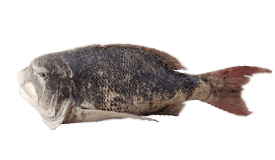
Über Slinger Seabream-Angelreisen
Slinger Seabream is a reef-dwelling Sparid known for fast hits and tasty white meat. Anglers target it for steady action, fair fights, and great table fare. Slinger Seabream fishing is a smart choice when you want reliable bites on structure.
Most crews use bottom fishing over reefs, rocky patches, and wrecks. Light to medium tackle keeps the fight fun and in control. Natural baits like squid, sardine, or prawn work well. Slow-pitch jigs and small soft plastics also draw strikes when fish school midwater. Drifting lets you cover ground; anchoring helps you stay on a tight mark.
Expect quick taps that turn into solid runs. Fish often school, so double-headers happen when the bite is on. The action suits beginners, families, and anyone who enjoys hands-on sport. Keep your movements smooth to avoid spooking the school. Bring sun protection, non-slip shoes, and a hat. Pack a camera and a cooler for fillets if local rules allow. Slinger Seabream fishing is usually best around tide changes and low light, but fish feed throughout the day on active reefs.
Rules vary by area. Always check local fishing license and permit needs before your trip. Confirm open seasons, size and bag limits, and any marine protected zones. Follow crew guidance on responsible harvest, and release undersized fish with care.
Lebensräume
Slinger Seabream is a reef-dwelling Sparid known for fast hits and tasty white meat. Anglers target it for steady action, fair fights, and great table fare. Slinger Seabream fishing is a smart choice when you want reliable bites on structure.
Most crews use bottom fishing over reefs, rocky patches, and wrecks. Light to medium tackle keeps the fight fun and in control. Natural baits like squid, sardine, or prawn work well. Slow-pitch jigs and small soft plastics also draw strikes when fish school midwater. Drifting lets you cover ground; anchoring helps you stay on a tight mark.
Expect quick taps that turn into solid runs. Fish often school, so double-headers happen when the bite is on. The action suits beginners, families, and anyone who enjoys hands-on sport. Keep your movements smooth to avoid spooking the school. Bring sun protection, non-slip shoes, and a hat. Pack a camera and a cooler for fillets if local rules allow. Slinger Seabream fishing is usually best around tide changes and low light, but fish feed throughout the day on active reefs.
Rules vary by area. Always check local fishing license and permit needs before your trip. Confirm open seasons, size and bag limits, and any marine protected zones. Follow crew guidance on responsible harvest, and release undersized fish with care.