Lake Havasu Fishing Report – July 28th
July 28, 2025 Lake Havasu City 2 photos
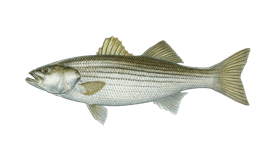
Bass (Striped)
Bass (Striped)

Trip Summary

We hit the water early, fishing from 6:00 AM to 10:30 AM with water temps between 81–84°F and calm winds under 5 mph out of the ESE. The morning started trolling 30–50 feet of water from Pilot Rock to just south of Steamboat Cove using a deep-diving crankbait and an A-Rig, marking single fish but no large schools. I had one short strike on the A-Rig north of Steamboat. South of the cove, I found a school of stripers in about 33 feet with balls of shad slightly higher in the column. After anchoring and chumming, small striped bass started boiling on the shad all around the boat, so I switched to a jerkbait and spent the next hour catching schoolie stripers one after another. Around 7:30 AM I ran toward Thompson Bay, spotting several small boils chasing shad along the way. In Thompson Bay, I marked massive bait balls with stripers stacked from 10–30 feet. I ended the trip with 10 keepers, the biggest about 1.5 lbs, while most were in the 1 lb and under range with a few larger fish holding on the bottom. Chumming kept the fish under the boat, and the key setup was anchovies on 20 lb braid with a ¼ oz sliding sinker, bead, and 18" 20 lb fluorocarbon leader.
Kenneth Probst
Lake-havasu-city, Arizona, United States
Capt.Kenne Charters – Lake Havasu thumbnail
Welcome to Capt. Kenne Charters, based in beautiful Lake Havasu City! Book your next fishing adventure with us and discover what makes these waters so special. With Captain Kenneth at the helm, you'll benefit from years of knowledge and experience as...
Other reports from this charter

Lake Havasu Fishing Report – December 1–
December 17, 2025
Water temperatures are now hovering around 59–60° in the early mornings, warming to roughly 62° by the afternoon thanks to light winds and above-average air temps. The lake is still in the process of turning over, especially in the backs of coves and bays, but overall water clarity has noticeably improved compared to earlier in the fall. Each week it’s getting a little cleaner, and that’s helping the bite. Bird activity has been hit or miss, so I’ve been starting every charter with a clean slate and letting conditions dictate the game plan. I spend a lot of time glassing the water and watching bird behavior. You don’t always need birds actively diving or circling to know shad are present. Pay attention to birds sitting on the water or stacked along the shoreline—especially when multiple species of waterfowl are grouped together. They aren’t there by accident; they’re feeding, and where there’s shad, stripers are usually close behind. So what’s been working? Trolling has been a strong starting point. I’ve been running 4" River2Sea D-Walker 100 paddle tails in pearl on 1 oz jig heads, along with white Zoom Super Flukes rigged on ¼ oz albino Pulse jig heads. Nearly every trip starts with trolling proven water from the previous few days. This allows us to cover ground and locate active schools. Stripers are a pelagic species—they don’t live tight to structure. They roam open water, and right now food is the main driver. Water temps are fair, spawning isn’t a factor, so locating bait is everything. When I troll through a school—especially one holding close to shad—I mark it on the graph. If we hook up, we’ll either circle back and work that mark with flutter jigs or continue trolling through the school, depending on conditions. What I’ve noticed is that a school is usually either fully active and feeding or completely shut down while digesting. If trolling and jigging don’t produce, I’ll drop anchovies straight down. If that still doesn’t trigger bites, we move on and find a more active group of fish. Overall, fishing has been steady, and with improving clarity and cooling temps, things should continue to trend in the right direction. If you’re looking to get on the water, December is filling up fast, so give me a call or text to book your trip.
Continue reading
Capt Kennes Fishing Charter Lake Havasu
November 30, 2025
Water temps have now settled into the low 60s, fluctuating slightly depending on wind and daytime highs. Sunrise is around 7:30 AM, and with early December forecasted to bring highs in the upper 60s and lows in the upper 40s, I expect surface temps to continue dropping. Winter patterns are setting in, and the fishing is shifting right along with them. With a lake as large as Havasu (19,300 surface acres), this report reflects what I and my clients have personally experienced based on the areas we’ve focused on. There are several fantastic guides on this lake, and many fish different zones or use different techniques. The best advice I ever received—and what I still live by—is to always stay humble, stay curious, and keep learning from others. None of us will ever “know it all,” and every angler brings something valuable to the table. The past two weeks have been packed with charters, and I’ve spent fifteen straight days on the water. We’ve had some incredible action mixed with some tougher days that required grinding it out, but overall the bite has been solid. Most of my time has been spent from Twin Palms down to Cattail State Park, and that’s where this report will focus. In this stretch, water temps have consistently run about 1–2 degrees warmer than the north end. This zone has been holding plenty of shad and striper, and the bird activity has been steady every morning. The timing of the boils has been inconsistent, so it’s very much a matter of being in the right place at the right moment but the signs are there. Even when they’re not blowing up on the surface, birds circling low or making short dives tell you you’re in the right neighborhood. During boils, our best producers continue to be white/pearl paddle tails on ½–¾ oz jig heads and ¾–1 oz jigging or flutter spoons. With paddle tails, I have clients cast past the boil and work the bait through it with a mix of steady retrieve, pauses, and rod pops. For spoons, we’re doing two things: • Vertical jigging when we’ve got schools stacked directly under the boat — drop straight down, pop the jig a couple of times, then let it fall on a slack-ish line so it can flutter. Most hits come on the fall. If your line stops sinking unexpectedly, reel down and set the hook immediately. • Casting spoons by bombing them past the action, counting down 7–12 seconds, popping the jig upward, then letting it flutter back down before repeating. This is a deadly technique when the fish are spread out or the boil is small. We’ve made a few attempts to net shad in the Bill Williams River, but the schools aren’t dense yet. They’re there—just not in big numbers. You might have better luck, so take that info for what it’s worth, and feel free to share if you crack the code! Overall, clients have been extremely happy with the steady action and high catch rates. The bigger fish are starting to show, the water is cooling fast, and we’re just now entering my favorite stretch of the entire striper season. It’s only going to get better from here.
Continue reading