Lake Havasu: Tough Striper Bite, Baited
October 21, 2026
Lake Havasu City
17 photos & 1 video


 +15

Bass (Largemouth)
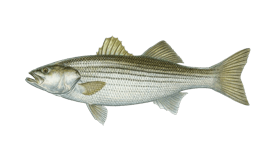
Bass (Striped)
Trip Summary
Trip Summary
Lake Havasu Fishing Report – October 21, 2026
Fall Fishing: Tougher Conditions, but Big Changes Are Coming!
Fall is definitely making its presence known on Lake Havasu! Water temperatures have dropped into the mid-70s, cooler mornings are becoming more common, and recent storms have significantly changed fishing conditions throughout the lake.
We’ve had some pretty substantial weather move through recently, leaving portions of the lake murky and full of runoff and debris. The striped bass bite has become noticeably tougher, but that doesn’t mean the fish have disappeared. In fact, we’re marking tremendous amounts of baitfish and striped bass throughout the lake.
The biggest challenge right now isn’t finding fish. It’s finding fish that actually want to eat!
Birds are beginning to flock together and actively search for baitfish, which is something I’ve been waiting to see. Consistent surface boils haven’t quite developed yet, but I believe we’re getting close.
My prediction is that the next 2–3 weeks could bring a major improvement in the fall striper bite, especially as water temperatures continue falling and weather conditions stabilize.
Striped Bass – Don’t Get Stuck on One School!
The striped bass bite has been challenging following our recent storms. Water clarity has taken a hit, and even though we’re marking large schools of stripers with plenty of bait nearby, those fish aren’t always interested in feeding.
One of the biggest mistakes you can make right now is spending your entire morning fishing one school simply because you’re marking fish.
Don’t be afraid to move!
We’ve been finding bait and stripers throughout the lake, but there’s a noticeable difference between a school that’s simply holding near bait and one that’s actively feeding.
If you’re marking fish but can’t get them to commit, change your presentation, adjust your depth or move to another school.
Trolling swimbaits, jigs and crankbaits remains a good way to cover water and locate willing fish. We’ve previously had success trolling around 2.5 mph, but don’t be afraid to adjust your speed and presentation based on conditions.
Bird activity is another encouraging sign. We’re beginning to see birds flock up and search for baitfish, although the consistent surface-feeding action we’re hoping for hasn’t fully developed.
I expect that to change as we move toward November.
My advice is simple: Don’t spend four hours trying to convince one school to bite when another school might be actively feeding a quarter-mile away.
Largemouth & Smallmouth Bass
The cooling water and changing conditions are also influencing Lake Havasu’s largemouth and smallmouth bass.
For largemouth, I’d focus on vegetation edges, protected pockets, docks, tules and areas where shallow cover meets deeper water. With the recent storms muddying portions of the lake, pay attention to water clarity.
In stained water, spinnerbaits, chatterbaits and squarebill crankbaits can be excellent options because they create vibration and help fish locate the lure. Slower Texas-rigged plastics are also worth throwing around heavier cover.
For smallmouth, concentrate on rocky points, ledges, hard-bottom transitions and deeper structure.
Jerkbaits, swimbaits, Ned rigs and dropshots are all good fall options.
One thing to remember is that largemouth and smallmouth don’t always respond to changing conditions the same way. Don’t be afraid to change locations, depths and presentations throughout the day.
Catfish – Fall Opportunities
As water temperatures continue falling, Lake Havasu’s channel and flathead catfish remain excellent species to target.
For channel catfish, focus on deeper holes, gradual drop-offs and areas where food is naturally concentrated. Cut bait, nightcrawlers and other scent-producing baits are good options.
For flatheads, look for structure, ledges and areas with access to deeper water. Live bait can be especially effective, but cut bait is also worth trying.
Recent storms can create opportunities around current seams and areas where runoff brings food into the lake. However, be careful around floating debris and rapidly changing conditions.
Fall is also one of my favorite times for catfishing simply because the evenings are becoming much more comfortable.
Sunfish & Redear
Lake Havasu’s redear and other sunfish are still worth targeting as we transition toward winter.
While spring is generally the most popular season for trophy redear, fall can provide opportunities for anglers willing to slow down and locate fish.
Focus on vegetation edges, submerged structure, rocky areas and transitions into deeper water.
Small pieces of nightcrawler on a dropshot or light bottom rig are excellent starting points. Small jigs and finesse presentations can also work well.
As water temperatures continue cooling, pay attention to the depth where you’re finding fish. Sunfish may shift away from shallow summer areas as conditions change.
My Prediction for t
Kenneth Probst
Lake-havasu-city, California, United States

Experience everything Lake Havasu fishing has to offer with Capt. Kenne Charters! Whether you're chasing Striped Bass, Largemouth and Smallmouth Bass, trophy Redear Sunfish, or giant Catfish, we'll customize your adventure around your target species, expe...


