

Pikey Bream Fishing
The best out of 0 Pikey Bream Fishing deals - enter destination and dates to check availability
Nearest Pikey Bream fishing charters
Related species


About Pikey Bream fishing
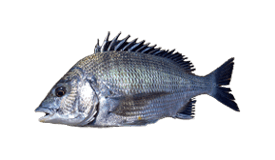
Pikey Bream are tough, structure-loving sport fish prized for clean hits and strong runs. Anglers target them for their wary nature, quick bites, and great fight on light tackle. They live in estuaries, creeks, and mangrove edges, so every cast can bring tight, exciting action.
You can catch Pikey Bream by river fishing and inshore fishing around snags, rock bars, and pontoons. Natural baits like prawns, yabbies, worms, and small crabs work well. Many anglers also use soft plastics, small hardbodies, and blades. Keep retrieves slow and close to cover. Fly fishing with shrimp and crab patterns can be deadly when fish are feeding shallow.
Expect a technical but fun trip that rewards stealth and accuracy. Light spinning outfits with 6–10 lb line and light leaders help draw more strikes. Look for moving tides, early mornings, or late afternoons. These fish often hit close to structure, so be ready to turn their head fast. This is great fishing for beginners and families, yet still challenges skilled anglers. Bring sun protection, polarized sunglasses to spot fish and snags, and plenty of water. A small landing net and long-nose pliers make releases easier.
Before you go, check local rules for a valid fishing license or permit. Review any open seasons, closed areas, and gear restrictions for your location. Confirm current size and bag limits, and know the rules for keeping or releasing fish. Regulations change, so always verify them with local authorities before your trip.
Habitats
Techniques
Pikey Bream are tough, structure-loving sport fish prized for clean hits and strong runs. Anglers target them for their wary nature, quick bites, and great fight on light tackle. They live in estuaries, creeks, and mangrove edges, so every cast can bring tight, exciting action.
You can catch Pikey Bream by river fishing and inshore fishing around snags, rock bars, and pontoons. Natural baits like prawns, yabbies, worms, and small crabs work well. Many anglers also use soft plastics, small hardbodies, and blades. Keep retrieves slow and close to cover. Fly fishing with shrimp and crab patterns can be deadly when fish are feeding shallow.
Expect a technical but fun trip that rewards stealth and accuracy. Light spinning outfits with 6–10 lb line and light leaders help draw more strikes. Look for moving tides, early mornings, or late afternoons. These fish often hit close to structure, so be ready to turn their head fast. This is great fishing for beginners and families, yet still challenges skilled anglers. Bring sun protection, polarized sunglasses to spot fish and snags, and plenty of water. A small landing net and long-nose pliers make releases easier.
Before you go, check local rules for a valid fishing license or permit. Review any open seasons, closed areas, and gear restrictions for your location. Confirm current size and bag limits, and know the rules for keeping or releasing fish. Regulations change, so always verify them with local authorities before your trip.