Clearwater–Tarpon Springs Inshore Fishin
May 26, 2026
Clearwater
1 photo

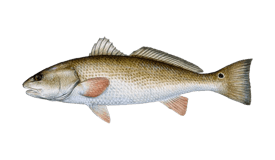
Redfish
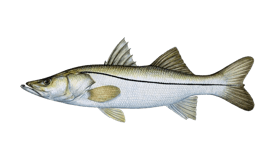
Snook
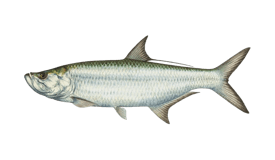
Tarpon
Trip Summary
Trip Summary
Redfish, Snook, and Tarpon are fired up! This week's fishing report for Tarpon Springs, New Port Richey, Dunedin, and Clearwater. The big three are in full force right now—overslot redfish on high-tide flats, trophy snook staged on current edges, and tarpon sliding across sand bars and shallow grass.
Conditions:
Water temp: mid 80s
Clarity: generally clear with light stain on windward shores (lots of floating grass)
Tides: strong highs with productive outgoing cycles
Wind: light morning breeze, increasing mid‑day
Moon: moving toward stronger tides; expect better current windows
Best window: first light through late morning high, then the first half of the outgoing
What’s biting
Redfish — Some of the biggest reds of the year are pushing onto knee‑deep flats on the top of the high. Look for wakes and backs over turtle grass and pothole edges. Quiet approaches, long casts, and patient presentations are key. Once these fish spook they are extremely hard to catch.
Snook — Quality fish are laid up along shaded mangrove edges and also stacked on deeper creek/current edges. When the water moves, they pin baits on the seam and crush anything that drifts naturally. Look for the sand color change line into deeper water on the bends of the creeks. Float your baits with the current and allow time for the bait to sink.
Tarpon — Consistent 30–80 lb fish are showing on the sand bars, rolling across shallow grass, and even slipping back onto mangrove flats with the redfish on higher water. Watch for happy rollers and push wakes in protected stretches.
Where and how
Tarpon Springs — Work the outside sand bars at dawn for tarpon, then slide to nearby grass flats as the sun rises. On high water, check mangrove pockets for laid‑up snook and cruising tarpon. Redfish have been cruising shallow flats adjacent to cuts.
New Port Richey — Deeper creek bends with steady current are holding big snook. On the top of the high, redfish are spreading onto clean grass with scattered potholes—approach from downwind, stake out early, and let the fish come to you. Keep an eye on bars near passes for midday tarpon glides.
Clearwater / Dunedin — Expect similar patterns on outer bars and the first trough off the beach for tarpon; sheltered mangrove edges will hold snook during stronger afternoon tides.
Tactics that worked
Live bait: Live shrimp and live greenbacks presented up‑current to snook on creek edges; let them sweep naturally through the seam. For redfish on high, a shrimp pitched quietly ahead of a cruiser is deadly.
Cut bait: Soaking fresh cut bait on the high‑tide flats has pulled oversized reds that are rooting around; give it time and keep noise low.
Artificial lures: Subtle paddletails and jerk shads in Z-Man Houdini and Pearl on 1/8–1/4 oz heads for reds and snook; slow, level presentations over grass. For tarpon on the flats, keep a white soft jerkbait nose hooked and ready to slide in front of a roller between live-bait drifts.
Stealth has been key. Drifting quietly; keep the trolling motor low and off when possible. Long leaders (25–40 lb depending on species) and accurate first casts are paying off.
Family & beginner tip
Morning 3 hour trip has been producing steady action without midday heat. Simple shrimp under a popping cork or float along calmer mangrove stretches keeps kids engaged and puts trout, snook, and occasional redfish in reach.
Fly angler note
Tarpon: intermediate lines with small crab or EP baitfish in olive/black or tan; present well ahead of the line and let them swim into it.
Reds: unweighted shrimp/crab in tan/olive over knee‑deep grass; keep shots under 50 feet and land softly.
Snook: black/purple or white deceivers pinned to the current seam.
Outlook (next 7–10 days)
With strengthening tides and stable temps, expect the high‑tide redfish sight game to stay hot, snook to feed harder on the first of the outgoing, and tarpon presence to build on bars and shallow grass during calm mornings. If winds stay light, plan for early tarpon then slide to snook / reds as sun and traffic increase. Keep an eye on the rain, storms are forecasted for almost every day in the 10 day forecast.
Best trip length this week: 4‑hour inshore fishing charter for balanced redfish / snook action on the high and first of the outgoing; 6‑hour if you want a tarpon window plus time to shift to snook or reds. Prime morning tides are filling—if you’re eyeing tarpon or high‑tide reds, book soon.
FAQ
What time of day is best right now?
- First light through late‑morning high, then the first of the outgoing for snook and reds; tarpon are most consistent at dawn with light wind.
Which trip length should I choose?
- 4‑hour for mixed inshore action; 6‑hour to include a serious tarpon shot plus time to change patterns.
What baits are producing?
Live shrimp and greenbacks, cut bait for overslot reds, and subtle paddletails / jerkbaits on light jigheads for stealthy presentations.
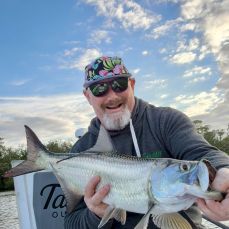
Paul Duffey
Clearwater, Florida, United States

Whether it's your family's first saltwater fishing adventure or you're an experienced angler looking for quality inshore fishing, every trip with Tightlines Charter is customized around your group's goals. We'll match the trip to your experience level, th...


