Fresh Conch Keys Fishing Reports

Don’t miss what’s biting. Check out the latest catches from local anglers.
Destination Banner

Top Conch Keys Destinations

Latest Fishing Photos

Fresh Fishing Reports from Conch Keys

September & October Fishing in the Keys
September 26, 2017
If you were to ask a local backcountry guide which time of the year is his favorite, the answer might just surprise you. Sure, springtime brings in wave after wave of hungry tarpon, and the flat calm mornings and evenings of early Summer are perfect for stalking the wary bonefish. Yet, I’m willing to bet that a good majority of experienced captains will tell you that the Fall is their favorite season…especially October and November. Here’s why. First, our weather is starting to cool off nicely thank you, making daytime fishing a comfortable all day affair. The new weather pattern consequently brings on major changes in the fishing…changes that are all for the better! And, last but certainly not least, the boat traffic just isn’t as heavy in the Fall like it can get in the Spring. You just get more of that “getting away from it all” feeling out on the water at this time of year. If you’re a light tackle enthusiast and enjoy viewing superb scenery and plentiful bird life, then it’s time to get serious about putting together a fishing trip up into Everglades National Park. Without a doubt, sight casting to redfish is the “hottest ticket in town” right now. Reds make perfect targets both for light spin and fly fishermen…and right now there are plenty of targets. But redfish aren’t the only show playing back in the Park. Snook and trout will be found in good numbers just on the edge of the flats and in potholes. And the larger creeks and passes above Cape Sable can provide some great tarpon fishing, especially for the plug casting enthusiast. Reds and snook also abound at the creek mouths, especially on a falling tide. This is going to sound a bit self serving, but a wise angler would do well to hire a knowledgeable guide for fishing the Park; your chances of angling success will be better and your chances of making it back to the dock before nightfall are far greater than trying to wing it alone. Because the waters way back in the Park are either tannin stained or murky from large schools of mullet, it’s not always easy to “read” the water. Many an inexperienced boater has ended up “wearing” a flat instead of fishing it. On our local flats, bonefishing should be excellent. Almost without exception, my largest bonefish each year comes in October. It’s the best time of the year for anglers to challenge large bonefish (8 to 10 pounders are common) with light tackle. The big bruisers are ultra spooky, but (when you are lucky enough to hook one) incredibly powerful. Another good thing that happens at this time of the year is the Fall mullet migration. And with those mullet comes (among other species) a fresh wave of tarpon to bolster the numbers of resident fish that have hung around through the summer. Most of these tarpon are small to medium sized (20 to 50 lbs.), but be ready for the occasional 80 pound fish mixed in. While fishing the bridges at night, don’t be surprised if a big snook grabs one of those live baits or plugs that were intended for a tarpon (although for snook fishermen the opposite usually holds true). I’ve always maintained that October and November are better months for snook fishing in the Keys than September (when snook season opens). A lot of diving activity takes place near the bridges in August and early September, a factor that both leaves many snook either spooked or (when they end up the victims of illegal spear fishing activities) dead! Florida Bay will see a definite upsurge of snapper (mainly mangroves), grouper, and mackerel activity as the water cools, For anglers that like “just plain fishin’,” anchoring and chumming the countless ledges and wrecks in the protected waters of the Bay is just the ticket. Look for some cobia to show up too…and if you’re real serious about chasing those “flatheads,” the wrecks further out in the Gulf of Mexico will be loading up with them. October will also be the last month for dependable permit fishing on the Gulf of Mexico wrecks.
Continue reading
July & August Fishing in The Keys
July 1, 2017
Now that we’re through those prime time months of May and June, there is often a general attitude among the angling public that backcountry fishing is over with until the Fall. Not so! Excellent, yes excellent fishing will continue in the backcountry especially during the month of July. However, those who wish to do battle in the backcountry during the summer months must take into account the heat factor. Four vital items that no angler can afford to be without during these months are a powerful sunscreen, a wide brimmed hat, polarized sunglasses, and plenty of water (soda and beer just won’t cut it out here gang). From my position as a backcountry guide, the best solution I’ve found for dealing with the summer heat is to break my day up by fishing for four or five hours in the morning, and returning to the dock around noontime to get out of the heat for awhile. Then we’ll hit the flats again during the late afternoon, and finish off the trip at sunset (or later if we’re going to fish for tarpon after dark). Both the fish and my anglers have been quite happy with this routine, for years. Flats fishing should remain excellent, especially on those “big water tides” of the full and new moon in July. Look for tailing bonefish early and again late in the day, especially on late falling or early incoming tides. But don’t limit your bonefishing to tailers only, as there should be lots of cruising fish (albeit somewhat smaller bones) up on many of the oceanside and gulf side flats during the higher stages of the tide. Permit will also be plentiful throughout the summer, especially on those aforementioned new and full moon tides. Though they are a thrill to take when they are tailing, most permit will be caught in somewhat deeper water along the edge of the flat. While on some of those deeper flats, expect to see some tarpon on the move. These are the rear guard of the Spring tarpon run, and you’ll be involved mainly in “mopping up operations”, but there will still be enough of them around during the first part of July to keep things interesting. July will be the last month that fly-rodders can reasonably expect to have shots at the silver king along the oceanside flats. Speaking of tarpon fishing, don’t think that the season is over as far as live-bait fishing at the bridges is concerned. The best four hour tarpon trip I had last year was in August! Fishing a family from Birmingham, Al., we had twenty-three strikes, put sixteen fish in the air, and landed ten tarpon ranging from fifteen to fifty pounds. Though not every summer night will be as red hot as that one, it does show what’s available during the “off-season.” Put those twenty and thirty pound outfits away until next spring; now is the time to have fun with these smaller tarpon on your 12-15 pound “snapper” rods. The waters of Everglades National Park will be productive for those able to tolerate the heat of an all day trip up there. Sight fishing for redfish is a good bet, as they are receiving very little fishing pressure now. Also available in many of the “lakes”, channels, and flats are the ever- present tarpon. The fishing in Florida Bay will slow down considerably in July and August, as most of the spawning size mangrove snapper will have moved from the Bay, through the bridges, and out onto the reef to do their summer spawning thing. Yet, it always surprises me that we get a few nice (pound and a half to three pound) snapper each trip. We do drop down on leader and hook size at this time due to the exceptional clarity of the water, and anchor further up-tide from our “honey holes” to keep from spooking the fish. Another thing that really helps is to pick a time when both the wind and the current are lined up in the same direction to improve the flow of the chum (a good tip for Bay snapper fishing at any time of the year actually). You might even dabble with some night fishing out in the Bay during the summer months; it’s a great way to beat the heat. Further out into the Gulf of Mexico, permit are the hot item out on the wrecks. Some captains can literally put you on hour after hour of bone-tiring action with permit on some of their “secret wrecks.” For anglers who can manage to get a live bait down through the hordes of barracuda stacked up on those wrecks, some nice size snapper and grouper can be caught at this time (again provided you can get those bottom fish up through the hungry ‘cuda mob. And, finally a summer backcountry report wouldn’t be complete without mentioning the lobstering activity that will be taking place in late July and throughout the month of August. Those same Florida Bay ledges that are so productive for mangrove snapper and grouper are transformed into crawfish condominiums during the summer months. Though this column is about fishing rather than diving or snorkeling, I do want to pass on one piece of advice: The spotted jewfish is making a remarkable recovery in Florida Bay due to the moratorium placed on them seve
Continue reading
May & June Fishing Report
May 1, 2017
Primetime! That’s what the months of May and June are to the backcountry and inshore angler. Water temperatures are in that perfect 74 to 78 degree range during this period, and the weather pattern has switched from the constant northerly winds (compliments of winter cold fronts), to light balmy breezes from the east and southeast. First of all, if you’ve ever wanted to catch a tarpon, now is the time! Any reader who hasn’t experienced the thrill of watching a hungry “silver king” chase down a frantic mullet, and then explode out of the water upon being hooked is missing one of sportfishing’s greatest thrills. The high percentage bet is to anchor or drift fish near the bridges and backcountry channels with 20 to 30 pound tackle and live bait. Silver mullet are the best bait during May; in June when the mullet are leaving the area, pinfish and crabs are excellent producers. Those anglers seeking to take their tarpon fishing to the next level can sight cast to these mighty fish up on the oceanside flats during May and June. A 15 lb. spinning outfit with a large live shrimp or crab makes a good choice. And perhaps the ultimate challenge of all is to take them on fly. This is a good time to mention the important but often forgotten concept of flats etiquette. During the spring large numbers of tarpon travel along the edge of oceanside and backcountry flats. Professional guides and knowledgeable private boat anglers will stake out along the edge of these flats in hopes of ambushing these traveling tarpon. When an unknowing or uncaring boater or jet ski operator runs his watercraft down the edge of a flat, he’ll blow those fish off the edge into deeper water making them impossible to catch. This is a tremendously frustrating situation both for the guide (whose reputation for finding fish is on the line) and for his client (who has spent a substantial sum of money to come to the Keys to fish our flats). Some pretty nasty on the water confrontations take place at this time between fishermen and recreational boaters, with insults and threats being the norm, not the exception. I’m willing to acknowledge the fact that the flats are a resource to be shared by all. With that in mind I’d like to share a few thoughts that if practiced, could lead to a greater degree of harmony up on the flats during the Spring. 1. Stay at least 100 yards from the edge of the flats when running a boat or personal watercraft in an area where fishermen are present. 2. If you must access a flat do so at idle speed and at a 90 degree angle to the flat. 3. Try to determine the predominant direction the anglers are looking toward as this will indicate where the fish are coming from. Access the flat from behind the fishermen instead of in front of them. These three tips will go a long way in improving backcountry relations among the various user groups. There’s room for all of us out there, so long as we treat each other and the environment with respect. Tarpon aren’t the only show in town during the Spring! Expect excellent cooperation from bonefish and permit during May and June, especially during the two to three day period before the new of full moon. The upper and lower tide ranges increase greatly during this time, making it an exciting time to be a fish in the Florida Keys backcountry. This translates into hot action for the knowledgeable angler who knows the right time during a given tide to fish each flat. Back in Everglades National Park look for excellent action with large seatrout. Ideally, a well full of live pilchards (small to medium) will produce the best catches, but a 1/4 oz. white shrimp-tipped jig will produce well also. Sight fishing for reds on the flats is always good at this time too, and with the winds being down, it’s a great time to target them on fly. Don’t forget that May is the last month you can keep a snook until September (size limit – 26″ to 34″…limit two per person). That shouldn’t stop anglers from experiencing some fine catch and release fishing at the creek mouths (live pilchards, pinfish, or finger mullet are prime baits). Nor does it mean that anglers should feel compelled to kill every legal sized snook they catch just because it’s still May. Florida Bay should still be productive for mangrove snapper through May, although a switch to “shy gear” (smaller hooks and leads, and lighter leaders) may be in order to fool them in the clear water. After May the mangrove snapper will be pushing out of the bay, through the bridges, and out on the reef to spawn. During this transition though, the best snapper fishing of the year will take place at the bridges.
Continue reading
What to expect in March & April
March 1, 2017
The months of March and April bring on a transition period for the backcountry, one which has been long awaited by both guides and anglers alike. Although cold fronts will still rumble in from the North (particularly in March), they will be of less severity than those of the two previous months. The space between the fronts will be greater as well. It is during these March warming trends that the backcountry will really come alive, and April should provide even more consistent fishing. Although breezy conditions will prevail at least through late April, the water temperature will warm up considerably (March 70 – 72 degrees, April 73-75 degrees). Up on the flats look for good action with bonefish, especially in April. It will now be possible to sight-fish for them up on the flats, rather than blind casting into deepwater muds (the standard technique for winter bonefishing). Rather than fight the breezy conditions inherent with these months, many guides will employ chumming techniques (tossing diced shrimp up onto a shallow sandy spot and allowing the wind to spread the aroma down current). to bring the “bones” into casting range. Of course the calmer days will provide great sight casting opportunities for “tailing” bonefish…and these conditions will become more frequent with each passing week. The fish that gets the most attention by knowledgeable flats fishermen at this time of year however, is not the bonefish, but the wily permit. The backcountry flats are generally swarming with permit in early March, and shortly thereafter should be found in good numbers throughout the Keys oceanside flats. For those who’ve ever wanted to join that select fraternity of anglers who have caught a permit on a fly, April is the time. The sheer numbers of permit at this time, combined with the fact that they are not as spooky inthe breezes of early Spring make them logical targets at this time. And should you be lucky enough to find a permit following a stingray (a common condition in early Spring), then you’ve found an “angler friendly” fish that will probably eat whatever you toss its way (small crab, shrimp, jig, or fly). The backcountry channels should be filling up with tarpon in March, and from there they’ll filter down to the bridges and hang out there in force for the next several months. Although the numbers aren’t as great as they’ll be in May, March or April typically produces our largest tarpon of the year. (See feature article on tarpon fishing on this website for additional details). Good things are happening up in Everglades National Park as well. Shallow-water sight fishing for redfish will improve with the warming water. Seatrout will continue to please, both in quantity and quality. And snook fishing should drastically improve. Perhaps the most common statement I heard this past winter from backcountry snook fishermen was, “We found plenty of snook but they wouldn’t eat.” This won’t be the case with warming water; anglers can expect a lot more cooperation from the “linesiders” whether they are fishing up in whitewater Bay or the river and creek mouths along the outside. Live finger mullet, pilchards, or small pinfish “mini-pinnies” are my favorite baits but jig and shrimp combos and plugs will account for a lot of snook too. And don’t pass up a chance to target them with light tackle on the deeper edges of the flats as they lay in ambush mode, waiting for bait to be swept off the flat on the falling tide. This is my favorite way to catch snook, as there are no mangrove root systems for the fish to dart into. Thus, an angler can drop down to 8 or even 6 pound line and really have some fun. March and April are two of the best months to fish Florida Bay. Mangrove snapper should be both plentiful and of decent size. Anglers willing to take the time to catch the ballyhoo that show up in their chum line (either with a castnet or a hair hook tipped with a tiny piece of shrimp) will do well with Florida Bay snapper. Cut the ballyhoo into one inch steaks, and then fish them on the bottom back in the chum line. Also expect some decent grouper (mostly gags) mixed in with those mangroves, and watch for cobia on some of those inshore wrecks. For some truly outstanding cobia fishing, now is the time to invest a day in Gulf wreck fishing. Although the differentiation between Florida Bay and the Gulf of Mexico is somewhat nebulous, the wrecks, trap piles, and ledges that are fifteen miles or better from shore will provide excellent fishing for cobia, as well as grouper and large mangrove snapper.
Continue reading

What anglers said about fishing in Conch Keys

be prepared for the weather! sunscreen is a must.. wear shoes that cab get wet

Excellent
5.0 / 5
be prepared for the weather! sunscreen is a must.. wear shoes that cab get wet
Shark River Charters
Come prepared with proper clothing and supplies as recommended by the charter Captain

Excellent
5.0 / 5
Come prepared with proper clothing and supplies as recommended by the charter Captain
Captain Buddy LaPointe
No fault of the captain, the weather did not cooperate. I’d recommend late May instead of early June. Marathon overall was great though. Lots of great flats.

Excellent
5.0 / 5
No fault of the captain, the weather did not cooperate. I’d recommend late May instead of early June. Marathon overall was great though. Lots of great flats.
Captain Buddy LaPointe
Seek Captain Dan out! He is full of knowledge and openly shares it! He will teach you what needs to be done to catch fish!
Excellent
5.0 / 5
Seek Captain Dan out! He is full of knowledge and openly shares it! He will teach you what needs to be done to catch fish!
Shark River Charters
Fish the Bay areas for variety. A GReat fishery for beginners or for someone who wants to target species.
Excellent
4.7 / 5
Fish the Bay areas for variety. A GReat fishery for beginners or for someone who wants to target species.
Captain Buddy LaPointe
Always book with charters that have the most experience they know the spots and the tides.
Excellent
5.0 / 5
Always book with charters that have the most experience they know the spots and the tides.

Captain Buddy LaPointe
Captain Buddy LaPointe Odessa, TX
Booking with Capt Buddy of course plus sunscreen, water and the Keys attitude.

Excellent
5.0 / 5
Booking with Capt Buddy of course plus sunscreen, water and the Keys attitude.
Captain Buddy LaPointe
Captain Buddy LaPointe Willow Street, PA
July is hot and can be a slow time to fish. Be sure you know if your targeted fish are here when you plan the time of your trip.

Excellent
5.0 / 5
July is hot and can be a slow time to fish. Be sure you know if your targeted fish are here when you plan the time of your trip.
Captain Buddy LaPointe
Captain Buddy LaPointe Wixon Valley, TX
Get a guide like Captain Buddy LaPointe that knows exactly where the fish are running at any time of the year or day.
Excellent
5.0 / 5
Get a guide like Captain Buddy LaPointe that knows exactly where the fish are running at any time of the year or day.
Captain Buddy LaPointe
Captain Buddy LaPointe Fort Mill, SC
Do a little upper body work out a few months ahead of time because we caught so many fish..
Excellent
5.0 / 5
Do a little upper body work out a few months ahead of time because we caught so many fish..

Captain Buddy LaPointe
Captain Buddy LaPointe Pompano Beach, FL
Bring plenty of sun protection, clothing and sun lotions. Get ready to experience a great variety of fish and types of fishing, flats, bridge, reefs, wrecks!

Excellent
5.0 / 5
Bring plenty of sun protection, clothing and sun lotions. Get ready to experience a great variety of fish and types of fishing, flats, bridge, reefs, wrecks!
Captain Buddy LaPointe
Captain Buddy LaPointe Punta Gorda, Florida
Book a trip with Captain Buddy and get out on the water early in the morning.

Excellent
5.0 / 5
Book a trip with Captain Buddy and get out on the water early in the morning.
Captain Buddy LaPointe
Captain Buddy LaPointe United States
Bring plenty of sun protection. Be versatile, if one species isn’t biting there will be another!
Excellent
5.0 / 5
Bring plenty of sun protection. Be versatile, if one species isn’t biting there will be another!

Shark River Charters
Shark River Charters Coatesville, IN
You have to be aware of the weather but Capt Buddy will put you on some groceries.
Excellent
5.0 / 5
You have to be aware of the weather but Capt Buddy will put you on some groceries.
Captain Buddy LaPointe
Captain Buddy LaPointe Mayo, FL
Great place to fish. Hit on the lines almost within minutes of casting every time.

Excellent
5.0 / 5
Great place to fish. Hit on the lines almost within minutes of casting every time.
Captain Buddy LaPointe
Captain Buddy LaPointe Melbourne, FL
Want the right Capt for your trip? This guy will take you and school you on how to fish his waters and bring home what you ask for!

Excellent
5.0 / 5
Want the right Capt for your trip? This guy will take you and school you on how to fish his waters and bring home what you ask for!
Captain Buddy LaPointe
Captain Buddy LaPointe Lakeland, FL
Cover up with light clothing and sunscreen and bring lots of water. The sun gets intense
Excellent
5.0 / 5
Cover up with light clothing and sunscreen and bring lots of water. The sun gets intense
Captain Buddy LaPointe
Captain Buddy LaPointe Greenwich, CT
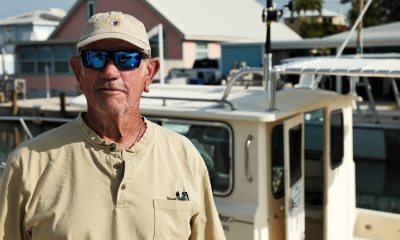
Even with unsettled weather the action was great. My boys and I are experinced fresh water fisherman and have had great days boating 25 to 30 keeper smallmouth in a day. The fishing in Marathon matched our best days on the water. Nothing but two thumbs up!
Excellent
5.0 / 5
Even with unsettled weather the action was great. My boys and I are experinced fresh water fisherman and have had great days boating 25 to 30 keeper smallmouth in a day. The fishing in Marathon matched our best days on the water. Nothing but two thumbs up!
Captain Buddy LaPointe
Captain Buddy LaPointe Woodbridge, ON