Kiddie pole fishing for charity
November 08, 2025 Palmetto 2 photos
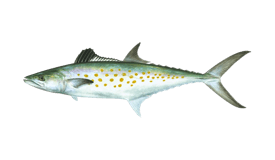
Spanish Mackerel
Spanish Mackerel
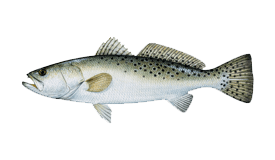
Spotted Seatrout
Spotted Seatrout

Trip Summary

Fishing For Charity – Kiddie Pole Classic 2025 Fishing To Support Face Autism Fishing For Charity – Kiddie Pole Classic 2025 in Palma Sola Bay near Anna Maria Islald Florida. This tournament has been held annually since 2009, and supports Face Autism. Face Autism’s Mission Statement is: Face Autism, Inc., was created in 2009 by a team of interested professionals and parents to provide sensory friendly activities, support groups, referral for therapeutic services, structured classes, and other necessary resources. As a nonprofit organization, Face Autism, Inc., is committed solely to providing these services to families through outreach and fundraising efforts. One of their events is the Kiddie Pole Classic, which I recently, participated in. The Kiddie Pole Classic is held on Palma Sola Bay, myself along with eleven other captains each volunteered our time to take a child or young adult fishing. All funds raised were donated to support Face Autism. One of the rules of the tournament is that the kids must fish with a “kiddie” or cartoon-style fishing pole. Each spool is re-rigged with 15-pound braid so it can handle saltwater fish without breaking. But even then, hauling in a good sized redfish or speckled trout can be a challenge for normal gear. I had the absolute pleasure of hosting two young ladies. We kicked off the morning at a nearby reef, where we caught mackerel and small red reef grouper. After that, we moved inshore to fish a grass flat in about 4–6 feet of water. We finished out the last part of the outgoing tide catching spotted seatrout, jack crevalle, and ladyfish. I had a great time and am grateful to offer my skills, time, and boat to support this amazing non-profit. To learn more about Face Autism, check out their website: **hidden content**

Rachel Nobbe-Cato
Palmetto, Florida, United States
Captain Rachel Charters thumbnail
Specialty: Inshore, offshore and Bay – Snook, Redfish and Trout When in season: Tarpon, Spanish Mackerel, Sheepshead and Mangrove Snapper, Grouper, black drum Fishing Area: Tampa Bay, Manatee and Sarasota Counties Home port is Palmetto, FL. Pick up ...

Other reports from this charter

What is The Difference Between Inshore a
January 3, 2026
Blog What is The Difference Between Inshore and Offshore Fishing Charters Inshore vs Offshore Fishing Charters Anna Maria Island. What is The Difference Between Inshore and offshore fishing charters – both offer incredible experiences for anglers visiting Anna Maria Island, but they are very different styles of trips. Understanding those differences helps guests choose the right charter with Captain Rachel so they can match their expectations, skill level, and sense of adventure to the right day on the water. Inshore trips focus on the calm, protected waters of bays, grass flats, mangrove shorelines, and backwaters close to the island. Offshore trips head out into deeper Gulf waters, where bigger boats, heavier gear, and longer runs open the door to large, powerful species and dramatic environments. What Is Inshore Fishing? Inshore fishing takes place in relatively shallow, protected waters, usually within a short ride of the dock. Around Anna Maria Island, that means fishing in the bay, along the intercoastal, around bridges and docks, and over shallow grass flats and channels. Depths are usually anywhere from a few feet to perhaps 20–30 feet. Because the water is shallow and protected from the open Gulf, inshore trips are typically calmer and more comfortable for beginners, kids, and anyone who wants to avoid big offshore waves. The boat stays in sight of land and runs are often shorter, which means more actual fishing time. Common inshore target species include redfish, snook, spotted sea trout, sheepshead, mangrove snapper, and sometimes Spanish mackerel or other roaming fish when conditions are right. The focus is usually on light‑tackle fishing, precise casting around structure, and reading the tide and shoreline to find ambush points where fish feed. What Is Offshore Fishing? Offshore fishing, sometimes called deep‑sea or blue‑water fishing, takes anglers farther from shore into much deeper water. These trips typically run out into the open Gulf, often several miles or more, to fish reefs, wrecks, ledges, and other offshore structures. Depths can range from dozens of feet to hundreds of feet, depending on how far the boat travels. Because you are in the open Gulf, offshore conditions can be rougher, with more swell and wind‑driven waves than you see in protected inshore waters. Boats are usually larger and more heavily built to handle these conditions, and run times to the fishing grounds are longer. The payoff is access to larger, powerful species and sometimes spectacular numbers of fish when offshore spots are really “on.” Typical offshore species might include grouper, snapper species, amberjack, kingfish, mahi‑mahi, tuna, and other pelagic or reef‑oriented fish, depending on the season and distance from shore. The tackle is heavier, the fights are stronger, and the overall feel of the trip is more physically demanding and adventurous. Key Differences: Location, Water, And Boat One of the easiest ways to separate inshore from offshore is to think about where you are fishing. Inshore means close to land in protected water; offshore means out in the Gulf on deeper structure. That location difference shapes the entire experience. Inshore water is generally shallower, clearer, and more affected by tide and wind at the surface. You see shorelines, birds working bait, grass flats, oyster bars, and mangrove edges. Offshore water is open and deep, and you rely more on electronics and charts to locate structure and schools of fish beneath the surface. The boats used can also be very different. Inshore charters often run smaller, shallower‑draft bay boats or skiffs that can float in skinny water and maneuver around shorelines and docks. Offshore vessels tend to be larger, with higher sides, more engine power, and setups for longer runs, bigger seas, and heavier gear. Target Species And Tackle Target species and tackle are at the heart of what most anglers care about, and there are clear distinctions between inshore and offshore fishing here. Inshore fishing focuses on shallow‑water gamefish that thrive in bays and estuaries, such as snook, redfish, trout, and sheepshead. These fish are pursued with lighter tackle: medium‑light spinning rods, lighter braided line, and smaller hooks and lures. The fights are often exciting but manageable for anglers of all ages. Accurate casting and presentation mean a lot, especially when working shorelines, mangroves, and docks. Offshore fishing targets bigger, deeper‑water species. Anglers use heavier rods and reels, higher line tests, and larger terminal tackle to handle strong runs and powerful fights. When you drop baits to deep reefs for grouper or snapper, or troll for kingfish and other pelagic species, the tackle has to be up to the challenge. The result is often longer, more intense battles and the possibility of truly trophy‑sized fish. Trip Length, Comfort, And Skill Level Inshore trips tend to be shorter and more flexible. Half‑day insh
Continue reading