October 2nd – Bridge & Dock Fishing for

October 02, 2025 Tarpon Springs 1 photo
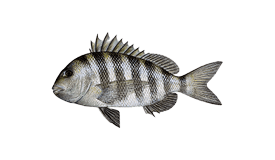
Sheepshead
Sheepshead
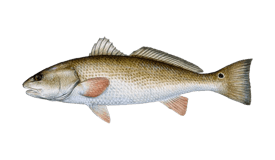
Redfish
Redfish
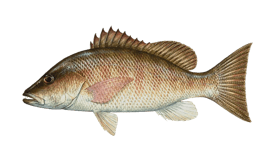
Snapper (Mangrove)
Snapper (Mangrove)

Trip Summary

If you’re looking for some of the most reliable action this time of year around Clearwater, Tarpon Springs, and Dunedin, you’ll find it around our bridges, docks, and pilings. These structures provide shelter, shade, and a steady food source for one of Florida’s most popular inshore targets — the sheepshead. ? Targeting Sheepshead on Structure Sheepshead are famous for their bold black stripes and sneaky bite. They love to feed on barnacles, crabs, and shrimp clinging to hard structure. We position the boat tight to bridge pilings and residential docks where the tide pushes bait right to them. Light tackle and small hooks are key — these fish are pros at stealing bait. Once hooked, a sheepshead puts up a strong fight for its size and makes for excellent table fare. Anglers of all ages enjoy the challenge of tricking them into biting and bringing one to the net. ? Other Species You’ll Hook Along the Way While targeting sheepshead, we regularly encounter: Mangrove snapper lurking tight to the pilings Spotted seatrout holding in deeper pockets around docks Redfish cruising in the shade lines of bridge pilings Snook, especially if the tide is moving strong at sunrise or sunset The occasional black drum when fishing cut bait near structure This makes bridge and dock fishing a versatile trip — you never know what’s going to bend the rod next. ??? Perfect for Families and Serious Anglers Whether you’re bringing the kids out for their first sheepshead catch or you’re an experienced angler looking to fine-tune your dock-fishing technique, these trips deliver action and variety. With calm waters close to shore, it’s an easy and comfortable experience for everyone on board. ? Next Week’s Preview: Nearshore Wrecks & Reefs Next week, we’ll head offshore a bit to talk about nearshore wrecks and reefs. These hotspots hold grouper, snapper, mackerel, and plenty of other hard-pulling fish as fall patterns continue to build. Stay tuned for tips and highlights from those trips.
Paul Duffey
Tarpon-springs, Florida, United States
TIGHTLINES CHARTER - Inshore Light Tackle thumbnail
Stalk redfish, snook, trout, and seasonal tarpon in some of Florida's most productive shallow-water habitat. These are active, hands-on fishing trips focused on hunting fish in skinny water along grass flats, mangrove shorelines, oyster bars, and tid...

Other reports from this charter

St. Joseph Sound Fishing Report: Redfish
June 15, 2026
June continues to provide excellent opportunities for inshore anglers targeting redfish, snook, and tarpon throughout St. Joseph Sound, Clearwater Harbor, and the Anclote Anchorage. Higher water levels have fish pushing deeper into mangrove shorelines, while early morning tides continue to offer some of the best sight fishing conditions of the season. The combination of clear water, healthy grass flats, and abundant bait has created consistent action for anglers fishing shallow water along Florida's Gulf Coast. This past week, redfish have been feeding aggressively along mangrove edges, oyster-lined shorelines, and flooded high-tide flats throughout St. Joseph Sound. Many of our best opportunities have come during the first few hours of moving water when fish are actively cruising and looking for an easy meal. Anglers fishing both live bait and artificial lures have found success when presentations are kept quiet, accurate, and well ahead of the fish. Snook fishing has also remained productive, especially around shoreline points, small cuts, and ambush areas where bait is concentrated. Water temperatures climbed to nearly 90 degrees this week, making the early morning 3-hour trips some of the most productive outings of the season. Several fish have been holding tight to the mangroves, making accurate casts especially important. Using the wind to help carry baits naturally into the mangrove edges has been a big advantage this week. One of the more exciting developments has been the number of tarpon showing up across the grass flats. Rather than simply migrating along the beaches, many fish have been actively rolling and feeding in shallow water while chasing schools of ladyfish, greenbacks, and pinfish. These feeding fish have created some exciting opportunities for anglers willing to stay mobile and cover water. Early morning incoming tides were particularly productive early in the week, with tarpon frequently showing themselves around bait concentrations. The abundance of bait throughout the area continues to drive much of the action. Large schools of greenbacks, pinfish, and other forage species have been holding across the flats and along the edges of deeper channels. Wherever bait concentrations have been found, predator fish have rarely been far away. The clear water conditions have also allowed for some excellent sight fishing opportunities. Using a stable, shallow-draft skiff allows us to quietly access areas that larger boats often pass by, giving anglers a chance to target fish in water only a few inches deep. Watching a redfish push water across a flat or seeing a tarpon roll ahead of the boat is one of the most exciting experiences in inshore fishing. We have also been finding quality snook on the higher tides along the sandy flats and shorelines surrounding the barrier islands. As we move deeper into June, anglers can expect redfish and snook opportunities to remain strong while tarpon activity continues throughout the Clearwater area, St. Joseph Sound, Tarpon Springs, and surrounding Gulf Coast waters. With healthy bait populations and stable summer conditions, the fishing should remain productive for weeks to come. Book your trip today or give Captain Paul a call to discuss the tides, conditions, and fishing opportunities that best match what you want to do. Whether you're looking to sight fish shallow flats for redfish, target aggressive snook along the mangroves, or chase rolling tarpon across the grass flats, we'd love to get you out on the water and show you what makes this fishery so special.
Continue reading
June Fishing Report: Why St. Joseph Soun
June 11, 2026
St. Joseph Sound is one of the most productive stretches of water anywhere along Florida's Gulf Coast, and June is one of the best times of year to experience it. Located between the Anclote Anchorage to the north and Clearwater Harbor to the south, St. Joseph Sound is bordered by barrier islands like Anclote Key, Three Rooker Island, and Honeymoon Island. This unique fishery combines shallow grass flats, oyster bars, mangrove shorelines, spoil islands, and nearby deep-water access that consistently holds gamefish throughout the year. Water temperatures are on the rise, and baitfish activity has exploded across the Sound. Threadfin herring, pinfish, mullet, and glass minnows push across the turtle grass flats, creating feeding opportunities for some of Florida's most sought-after inshore species. Tarpon, in particular, follow these bait schools closely, and it's common to find them actively feeding during the early morning hours. Redfish continue cruising mangrove edges and oyster-lined shorelines, while snook become increasingly aggressive as they settle into their summer patterns. Speckled trout remain scattered throughout the deeper grass flats and potholes, especially during the cooler parts of the day. One of the things that makes St. Joseph Sound truly special is its diversity. Few places on Florida's Gulf Coast allow anglers to fish expansive shallow flats, target structure-oriented fish along mangrove shorelines, and quickly transition to nearby channels and passes without running long distances. This variety allows us to adapt each trip based on tides, feeding activity, wind conditions, and information gathered from previous trips throughout the week. The northern portions of the Sound, particularly near the mouth of the Anclote River and the waters surrounding Anclote Key, have seen increasing snook activity. These fish utilize mangrove-lined shorelines, beachfront structure, and oyster bars to fuel their summer feeding patterns. Redfish remain a consistent option throughout the region, often found pushing across shallow flats during periods of lower water or staging around mangrove shorelines on higher tides. Further south, toward the Dunedin Causeway and Honeymoon Island, the Sound's expansive grass flats and potholes continue to produce quality trout, along with opportunities for redfish and seasonal tarpon moving through the area. The protected nature of St. Joseph Sound also allows anglers to find productive water even when stronger winds impact other parts of the Gulf Coast. The constant movement of water around barrier islands like Three Rooker helps flush bait throughout the system, creating feeding opportunities that gamefish take full advantage of. For anglers looking for a true Florida flats fishing experience, St. Joseph Sound offers a little bit of everything. Crystal-clear water, abundant wildlife, diverse habitats, and year-round fishing opportunities combine to create one of the most unique fisheries in the state. Whether you're new to inshore fishing or have spent years chasing redfish and snook, the Sound provides a constantly changing environment that rewards patience, observation, and adaptability. Patience on the flats, especially this time of year, is often the difference between a good day and a great one. I have to remind myself of that from time to time, particularly when exploring new areas. If you find a spot that has all the ingredients that should hold fish and nothing seems to be happening, give it time. If the tide is right, the bait is present, and the habitat looks right, the fish are there. Stay ready. These fish are predators, and they're not always out in the open putting on a show. They're tucked deep into mangrove roots, laid up in turtle grass, or positioned on structure waiting for the perfect opportunity to strike. I've experienced countless situations where a flat appears lifeless, only for a big snook to suddenly slide out of the shadows, or a group of redfish to materialize behind a school of mullet as if they had been there all along. Flats fishing has a way of rewarding those who stay patient and pay attention. Be patient, trust the conditions, and be ready when the moment comes. At Tightlines Charter, these waters are more than just another fishing destination. St. Joseph Sound serves as our home fishery and provides access to some of the best shallow-water opportunities between Clearwater and New Port Richey. I chose to build my charter business around this area because of the incredible diversity it offers and the ability to consistently put anglers on fish throughout the year. It allows me to build every trip around wind, tide, and the fish that are feeding best that day. Whether that means sight fishing the flats for redfish, working mangrove shorelines for snook, or targeting trout across deeper grass beds, St. Joseph Sound offers everything that makes Florida a true sportsman's paradise. A lot of my success comes from
Continue reading
Clearwater–Tarpon Springs Inshore Fishin
May 26, 2026
Redfish, Snook, and Tarpon are fired up! This week's fishing report for Tarpon Springs, New Port Richey, Dunedin, and Clearwater. The big three are in full force right now—overslot redfish on high-tide flats, trophy snook staged on current edges, and tarpon sliding across sand bars and shallow grass. Conditions: Water temp: mid 80s Clarity: generally clear with light stain on windward shores (lots of floating grass) Tides: strong highs with productive outgoing cycles Wind: light morning breeze, increasing mid‑day Moon: moving toward stronger tides; expect better current windows Best window: first light through late morning high, then the first half of the outgoing What’s biting Redfish — Some of the biggest reds of the year are pushing onto knee‑deep flats on the top of the high. Look for wakes and backs over turtle grass and pothole edges. Quiet approaches, long casts, and patient presentations are key. Once these fish spook they are extremely hard to catch. Snook — Quality fish are laid up along shaded mangrove edges and also stacked on deeper creek/current edges. When the water moves, they pin baits on the seam and crush anything that drifts naturally. Look for the sand color change line into deeper water on the bends of the creeks. Float your baits with the current and allow time for the bait to sink. Tarpon — Consistent 30–80 lb fish are showing on the sand bars, rolling across shallow grass, and even slipping back onto mangrove flats with the redfish on higher water. Watch for happy rollers and push wakes in protected stretches. Where and how Tarpon Springs — Work the outside sand bars at dawn for tarpon, then slide to nearby grass flats as the sun rises. On high water, check mangrove pockets for laid‑up snook and cruising tarpon. Redfish have been cruising shallow flats adjacent to cuts. New Port Richey — Deeper creek bends with steady current are holding big snook. On the top of the high, redfish are spreading onto clean grass with scattered potholes—approach from downwind, stake out early, and let the fish come to you. Keep an eye on bars near passes for midday tarpon glides. Clearwater / Dunedin — Expect similar patterns on outer bars and the first trough off the beach for tarpon; sheltered mangrove edges will hold snook during stronger afternoon tides. Tactics that worked Live bait: Live shrimp and live greenbacks presented up‑current to snook on creek edges; let them sweep naturally through the seam. For redfish on high, a shrimp pitched quietly ahead of a cruiser is deadly. Cut bait: Soaking fresh cut bait on the high‑tide flats has pulled oversized reds that are rooting around; give it time and keep noise low. Artificial lures: Subtle paddletails and jerk shads in Z-Man Houdini and Pearl on 1/8–1/4 oz heads for reds and snook; slow, level presentations over grass. For tarpon on the flats, keep a white soft jerkbait nose hooked and ready to slide in front of a roller between live-bait drifts. Stealth has been key. Drifting quietly; keep the trolling motor low and off when possible. Long leaders (25–40 lb depending on species) and accurate first casts are paying off. Family & beginner tip Morning 3 hour trip has been producing steady action without midday heat. Simple shrimp under a popping cork or float along calmer mangrove stretches keeps kids engaged and puts trout, snook, and occasional redfish in reach. Fly angler note Tarpon: intermediate lines with small crab or EP baitfish in olive/black or tan; present well ahead of the line and let them swim into it. Reds: unweighted shrimp/crab in tan/olive over knee‑deep grass; keep shots under 50 feet and land softly. Snook: black/purple or white deceivers pinned to the current seam. Outlook (next 7–10 days) With strengthening tides and stable temps, expect the high‑tide redfish sight game to stay hot, snook to feed harder on the first of the outgoing, and tarpon presence to build on bars and shallow grass during calm mornings. If winds stay light, plan for early tarpon then slide to snook / reds as sun and traffic increase. Keep an eye on the rain, storms are forecasted for almost every day in the 10 day forecast. Best trip length this week: 4‑hour inshore fishing charter for balanced redfish / snook action on the high and first of the outgoing; 6‑hour if you want a tarpon window plus time to shift to snook or reds. Prime morning tides are filling—if you’re eyeing tarpon or high‑tide reds, book soon. FAQ What time of day is best right now? - First light through late‑morning high, then the first of the outgoing for snook and reds; tarpon are most consistent at dawn with light wind. Which trip length should I choose? - 4‑hour for mixed inshore action; 6‑hour to include a serious tarpon shot plus time to change patterns. What baits are producing? Live shrimp and greenbacks, cut bait for overslot reds, and subtle paddletails / jerkbaits on light jigheads for stealthy presentations.
Continue reading