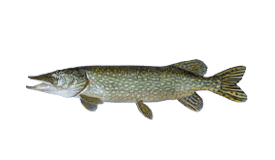
Trophy Pike
January 08, 2026 White Bear Lake 1 photo
Pike (Northern)
Pike (Northern)

Trip Summary

The big pike are still on the hunt. Another nice one from yesterday!
Brandon Norten
White-bear-lake, Minnesota, United States
Musky Geek Guide Service LLC thumbnail
If you’re serious about catching a true Minnesota giant, this is your trip. I specialize in trophy muskie fishing on Minnesota metro lakes, targeting fish that most anglers only see in magazines. My trips are built around precision casting, figure-8...

Other reports from this charter

Minnesota Crappie Fishing
February 22, 2026
Spring crappie fishing on metro-area lakes really hits its stride in May, and one of the most effective presentations during this window is the hair jig. When water temperatures stabilize and crappies slide shallow to feed and stage near spawning areas, hair jigs consistently outproduce plastics—especially on pressured metro waters. Why Hair Jigs Excel in May Hair jigs shine in spring because of their natural movement. Unlike soft plastics, marabou and craft hair breathe and pulse even when the jig is sitting still. In May, crappies often prefer a slow, subtle presentation, and hair jigs allow you to keep the bait in the strike zone longer without killing its action. On clear or moderately stained metro lakes, this finesse profile is often the difference between getting follows and getting bites. Best Hair Jig Sizes and Colors For spring crappies, 1/32 oz to 1/16 oz hair jigs are ideal. Lighter jigs fall slower, which is key when fish are suspended or cruising shallow flats. Top-producing colors for metro lakes in May include: Black Olive Black & chartreuse Natural brown White (in clear water) When fishing pressured lakes, muted and natural tones usually outperform loud colors. How to Fish Hair Jigs for Spring Crappies The most effective approach is a slow vertical presentation. Position your boat over shallow weed edges, emerging cabbage, docks, or wood in 4–10 feet of water. Drop the jig and hold it as still as possible, adding tiny rod-tip shakes to activate the hair. Hair jigs are also deadly when slow-trolled or drifted under a float, especially during calm mornings and evenings when crappies roam. Why Hair Jigs Work on Metro Lakes Metro crappies see a lot of pressure. Hair jigs offer a smaller, more realistic profile that matches early-season forage like insect larvae and tiny minnows. That natural look often triggers bites from larger, more cautious fish. Final Thoughts If you’re targeting spring crappies on metro lakes in May, hair jigs should be a staple in your tackle box. Their subtle action, versatility, and effectiveness on pressured waters make them one of the best tools for consistent success. For anglers looking to shorten the learning curve and stay on fish all spring, a guided trip can make all the difference.
Continue reading
Minnesota Spring Crappie Fishing
February 18, 2026
Spring crappie fishing on metro-area lakes can be outstanding if you’re using the right soft plastics. As water temps rise and crappies slide into shallow bays, canals, and weed edges, subtle presentations and natural profiles consistently outproduce everything else. For clients fishing with me on metro lakes in spring, three soft plastic styles dominate: paddle tails, baby shads, and tubes. Paddle Tail Soft Plastics Small paddle tail plastics are deadly during spring because they provide action at slow speeds. In cold to mid-40s water temperatures, crappies want a bait that moves without being overworked. A 1.5–2 inch paddle tail rigged on a light jig head creates just enough thump to trigger bites when fish are staging along emerging weeds or suspended near docks. Best colors: white, pearl, chartreuse, and natural shad Best retrieves: slow swim or steady glide through cover Baby Shad Plastics Baby shad-style soft plastics are a staple for spring crappie fishing on pressured metro lakes. Their slim profile closely matches young-of-the-year baitfish and insects crappies feed on early in the season. These plastics excel when fish are neutral or lightly negative, especially in clear water conditions. Best rigging: cast and slow retrieve or slow pendulum swing under a float Where they shine: weed edges, falllen timber, and basin transitions Tube Jigs for Spring Crappies Tube jigs remain one of the most versatile soft plastics for spring crappie fishing. Their hollow body and subtle tentacle movement make them perfect for cold fronts and finicky fish. Tubes are especially effective when pitched into shallow cover like reeds, brush, or boat slips. Ideal sizes: 1–1.75 inches Top colors: black/chartreuse, pink/white, glow Final Thoughts Matching soft plastics to spring crappie behavior is key to consistent success on metro lakes. Paddle tails cover water, baby shads shine in finesse situations, and tubes catch fish when nothing else will. If you want to shorten the learning curve and stay on active crappies all spring long, fishing these soft plastics the right way makes all the difference. Looking to dial in your spring crappie bite? Book a guided trip and fish proven metro-lake patterns from ice-out through post-spawn.
Continue reading
Minnesota Spring Crappie Fishing
February 14, 2026
Where to Find Spring Crappies in Minnesota Metro Lakes Spring is prime time for crappie fishing in the Minnesota metro area. As ice-out arrives and water temperatures creep into the low-to-mid 40s, crappies begin their predictable spring migration. Knowing where to look in metro lakes can mean the difference between a slow day and a full livewell. Early Spring Crappie Locations (Ice-Out to Pre-Spawn) Right after ice-out, crappies move shallow—but not randomly. In Twin Cities metro lakes, focus on: North-facing bays that receive the most sunlight Shallow flats (4–8 feet) near deeper basin access Dark-bottom areas that warm faster Emerging weeds, reeds, and cattails Metro lakes warm quickly compared to northern Minnesota waters, so crappies often push shallow earlier than many anglers expect. Best Structure to Target in Metro Lakes Spring crappies relate heavily to structure during warming trends. Productive areas include: Submerged brush piles Fallen trees near shore Docks and boat lifts Riprap shorelines Channel edges entering spawning bays On calm, sunny days, crappies will slide extremely shallow. During cold fronts, they often back out slightly to nearby breaks or suspend off structure. Water Temperature Matters More Than Depth In spring, water temperature is more important than depth. Once temps hit 48–55°F, crappies stage near spawning areas. When temperatures approach the low 60s, they move into spawning pockets with minimal current and protection from wind. Best Metro Lakes for Spring Crappies Many Minnesota metro lakes offer excellent spring crappie fishing, especially those with: Healthy shallow vegetation Soft-bottom bays Limited water clarity (warms faster) Pressure can be heavy, but fish behavior stays consistent year after year. Spring Crappie Fishing Tips Fish slow and shallow Use light jigs, plastics, or live minnows Watch your electronics for suspended fish Be mobile—crappies roam in spring Final Thoughts Spring crappie fishing in Minnesota metro lakes is short, aggressive, and incredibly productive if you know where to look. Target warming shallow water, key structure, and adjust daily based on conditions. If you want to maximize your spring bite, fishing with a local guide can shorten the learning curve and put you on fish fast. Book a spring crappie trip now and take advantage of the best bite of the year.
Continue reading