Top Spring Crappie Locations
February 06, 2026
White Bear Lake
1 photo

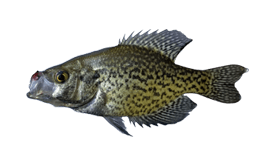
Crappie
Trip Summary
Trip Summary
April is one of the best months for crappie fishing on metro-area lakes, especially as ice-out transitions into early spring patterns. As water temperatures climb into the low-to-mid 40s, crappies move shallow and become highly predictable—if you know where to look.
1. Shallow Bays with Dark Bottoms
In early spring, crappies seek out shallow bays that warm quickly, especially those with dark, muddy bottoms. These areas absorb heat faster and attract baitfish, making them prime feeding zones. Focus on bays protected from strong winds, particularly on the north and northwest sides of metro lakes.
2. Channel Edges and Creek Inflows
Metro lakes with creek inflows, culverts, or connecting channels are crappie magnets in April. Slight current brings warmer water and food, pulling crappies out of deeper winter basins. Target the first break outside the inflow before fish push extremely shallow later in the month.
3. Emerging Weed Lines
As weeds begin to grow, crappies stage along new cabbage and coontail growth in 3–6 feet of water. These areas offer cover and easy ambush points. Metro lakes with healthy weed growth often produce consistent April crappie bites well before the spawn.
4. Docks and Shallow Cover
On pressured metro lakes, docks, brush piles, and fallen trees provide crucial structure in April. Crappies use this cover to stay shallow while avoiding predators. Target sunny afternoons when fish slide tight to cover.
Final Tip for April Crappies
Water temperature matters more than the calendar. When surface temps hit 45–50°F, crappies will be shallow and aggressive. Light jigs, slip floats, and slow presentations are key to consistent success.
If you want to maximize your time on the water and stay on active fish, booking a guided crappie trip on metro lakes in April can shorten the learning curve and put more slabs in the boat.
Brandon Norten
White-bear-lake, Minnesota, United States

If you’re serious about catching a true Minnesota giant, this is your trip. I specialize in trophy muskie fishing on Minnesota metro lakes, targeting fish that most anglers only see in magazines. My trips are built around precision casting, figure-8...


