Prowler Fishing Charter
Norfolk, Virginia
Deep drop Tile fish
:US $2,999




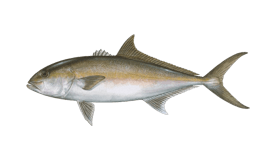
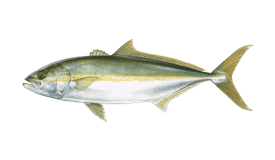
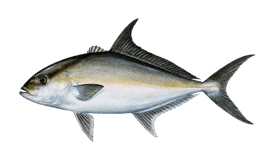
Lesser Amberjack fishing is all about fast hits and stubborn fights. This small Jack is part of the same family as Greater Amberjack and Almaco Jack. Anglers target it for hard runs, deep digs, and steady action around structure. It can show up as a bonus while you chase other reef and wreck species, or be the star of the day on the right drop.
You’ll usually find these fish near wrecks, reefs, rocks, and ledges in deeper water. Captains target them with bottom fishing and vertical jigging. Live bait like sardines or squid works well. Metal jigs get bites when worked with sharp lifts and short pauses. Use braided main line for sensitivity and a fluorocarbon leader for abrasion resistance around structure. Circle hooks help with solid hook-ups and easy releases.
Expect quick strikes, head-shaking runs, and a strong fight for their size. This is a great target for first-timers learning how to fight fish from depth, and for anglers who enjoy jigging. Wear sun protection and non-marking shoes. Bring a hat, polarized sunglasses, a camera, and any motion sickness remedies you prefer. Most charters provide tackle and bait, but ask your captain what’s included and what you should bring.
Before your trip, check local rules. Make sure you have the right fishing license or permit. Review seasons, size and bag limits, and any closed areas or gear rules. Regulations change often by state, region, and country, so confirm the latest guidance with your captain and local authorities.
Lesser Amberjack fishing is all about fast hits and stubborn fights. This small Jack is part of the same family as Greater Amberjack and Almaco Jack. Anglers target it for hard runs, deep digs, and steady action around structure. It can show up as a bonus while you chase other reef and wreck species, or be the star of the day on the right drop.
You’ll usually find these fish near wrecks, reefs, rocks, and ledges in deeper water. Captains target them with bottom fishing and vertical jigging. Live bait like sardines or squid works well. Metal jigs get bites when worked with sharp lifts and short pauses. Use braided main line for sensitivity and a fluorocarbon leader for abrasion resistance around structure. Circle hooks help with solid hook-ups and easy releases.
Expect quick strikes, head-shaking runs, and a strong fight for their size. This is a great target for first-timers learning how to fight fish from depth, and for anglers who enjoy jigging. Wear sun protection and non-marking shoes. Bring a hat, polarized sunglasses, a camera, and any motion sickness remedies you prefer. Most charters provide tackle and bait, but ask your captain what’s included and what you should bring.
Before your trip, check local rules. Make sure you have the right fishing license or permit. Review seasons, size and bag limits, and any closed areas or gear rules. Regulations change often by state, region, and country, so confirm the latest guidance with your captain and local authorities.