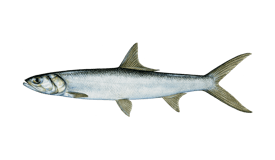
Tarpon Fishing
The best out of 1673 Tarpon Fishing deals - enter destination and dates to check availability
Nearest Tarpon fishing charters
- Trips fromUS $400
- Angler's ChoiceInstant ConfirmationTrips fromUS $500
- Instant ConfirmationTrips fromUS $600
- Instant ConfirmationTrips fromUS $500
- Angler's ChoiceInstant ConfirmationTrips fromUS $500
- Instant ConfirmationTrips fromUS $450
- Instant ConfirmationTrips fromUS $325
- Angler's ChoiceInstant ConfirmationTrips fromUS $675
- Angler's ChoiceTrips fromUS $550
- Angler's ChoiceInstant ConfirmationTrips fromUS $400
Fresh Tarpon fishing catches
Featured Tarpon fishing charters
- Full Day Trip


+4If you're looking for the perfect way to explore the waters around Naples, it's hard to do better than a full day on the fish! You can target a single species or go after multiple ones, your choice. The catch list has Snook, Tarpon, Redfish, Permit, Jack Crevalle, Spotted Seatrout, Mangrove Snapper, Sharks, and many other species on it.Instant ConfirmationPrice for up to 2 peopleUS $900 - Angler's ChoiceFull Day Trip


+3The full-day trip is the best option for exploring everything these waters have to offer. You'll have the flexibility to fish both inshore and nearshore, targeting a wide variety of species including Cobia, Redfish, Snook, Tarpon (when in season), Mangrove Snapper, Flounder, Sharks, and more. Rods, reels, and terminal tackle are included in the trip price.Price for up to 2 peopleUS $900 - Snokel and lobsterhunt/spearfishing


+3We spend time snorkeling while hunting for lobsters or conch you can also spearfish for four hours at the reef. Up to 4 people.Price for up to 2 peopleUS $350 - Angler's Choice5hr tarpon
Running angling trips out of Indian shores FL, Nick Hughes Fishing, LLC invites you to check out the local fishery in style. Come on aboard with Capt. Nick, whose main priority is to get you on some fish. Expect to use light tackle based on the species yoInstant ConfirmationPrice for up to 4 peopleUS $750 - Angler's ChoiceAfternoon Half Day Trip - 2:00 PM


+5Perfect for beginning anglers looking for a fun morning or afternoon on the water to learn some new fishing techniques and test their skill against our many inshore gamefish species! This trip is a great option for family groups with young anglers who are excited to get out on the water and catch some fish!Instant ConfirmationPrice for up to 2 peopleUS $450 - Angler's Choice3 hour inshore trip


+8Looking to get on some fish but dont want to spend all day on the water, then this is the trip for you. We will be fishing ponce inlet and the surrounding areas looking for trophy bull redfish big snook, trout, tarpon and much more. Using both artificial and live bait we will be sure to put you on the fish.Instant ConfirmationPrice for up to 4 peopleUS $350 - 3 Hour Trip - Inshore - 2:30 PM


+4Start your day on the water in St. Augustine with a 3-hour early morning inshore fishing trip designed for action from the first cast. As the sun rises and the water stays calm, you'll target hard-fighting Redfish, Speckled Trout, Flounder, and seasonal opportunities like Tarpon during the most productive bite of the day. Fishing the flats and backwaters around St. Augustine, Captain Trever keeps the trip efficient, stress-free, and focused on putting you on fish—no long runs, just steady action. It's theInstant ConfirmationPrice for up to 3 peopleUS $390 - Angler's Choice2 hour trip - 3:30 PM


+7Catch and release only , laid back quick trip for people looking to get into fishing or just dont know if fishing is for them!Instant ConfirmationPrice for up to 4 peopleUS $400 - Angler's Choice4 Hour P.M.


+1You are welcome to go on a Tide Teaser Charters charter for a half day! (4 hours). These trips are able to be customized for your enjoyment.Instant ConfirmationPrice for up to 4 peopleUS $495 - Angler's ChoiceEVERGLADES PEACOCK BASS ADVENTURE! - 1:00 PM


Experience the Everglades Peacock Bass Adventure targeting trophy Peacock Bass, Largemouth Bass, Snook, and juvenile Tarpon in one of Florida's most unique fisheries. Fish productive canals and backwaters surrounded by alligators, manatees, birds, and incredible wildlife. Expect steady action, diverse species, and stunning scenery. A one-of-a-kind trip that's perfect for kids, beginners, or a reliable option on windy days. All Anglers required to purchase a Florida Freshwater Fishing License. ($17.00)Instant ConfirmationPrice for up to 3 peopleUS $600
What anglers say about Tarpon fishing
- 5.0/5(4 Hr – Inshore Charter - 8:00 AM)
Awesome Day
Mike was great kept us moving all over to ensure fish were caught and kept us away from the storms. We caught Trout, Red Fish, Coiba, and Lady Fish. Great experience and would definitely book again with Mike.
- 5.0/5(6 Hour Trip (AM))
late night tarpon
went out after hours and hooked up with numerous tarpon. hap plenty of bone fish and multiple shots at permit.
- 5.0/5(Full Day Trip – Fly Fishing/spinfis)
Amazing captain and mate
We had several challenges with wind, storms, overcast, etc.. today and with captain nato and Victor's knowledge of these waters they were still able to get us on the fish including the tarpon. We caught several LARGE snapper, huge barracuda, had opportunities at bonefish and most importantly boated tarpon. Tarpon was my main goal of this trip and these two did EVERYTHING to get me on one. Their passion for these waters and sport is like something I've never seen before, can recommend enough!
- 5.0/5(EARLY LURES & SWIMBAITS TRIP 4HRS)
4 hr early morning fun
Captain Mateo found plenty of tarpon feeding but they were finicky. He kept trying different baits and techniques until we finally hooked into a 60 pound tarpon and then another 15 pound tarpon. Caught a bonus barracuda as well.
- 5.0/5(3 Hour Trip)
Gumbo Did It
great trip. we started catching several different sharks. ended the day with a 120lbs Tarpon. Excellent trip, make sure you hit the record button.
About Tarpon fishing
Tarpon is a majestic creature, highly sought after for its strength, stubbornness and spectacular acrobatic moves, which are often comprised of up to 10' leaps and violent body shakes aimed at release from your hook.
Otherwise known as the "Silver King," this prehistoric water dweller (with an estimated existence of about 125 million years) was one of the first saltwater species to have been declared a game fish and represents a true epitome of sport fishing.
Anglers throughout Florida are pressed on checking a Tarpon fight off their bucket list, and for a good reason – landing one represents an angling right of passage; the process leading up to that point entailing understanding this animal's motions, which is considered an artwork in and of itself.
There's a reason why the King has been around for so long – all of the years of its evolution have been invested into learning how to put up a fight. They're known for breaking lines, which usually happens as soon as they suck up the bait or rocket out of the water.

Do you think you have what it takes? You'll get hooked on hooking Tarpon.
How big
Tarpon grow slowly and can live up to 50 years. They reach reproductive maturity at 6–7 years, by when they're about 4' large. Adults (15–30 years old) average at about 5 to 6' in length and 100 to 150 lbs in weight. The majority of hooked Tarpon of all ages will be between 25 and 80l bs, whereas once in a lifetime trophy catches are monoliths of up to 8' and 300 lbs.
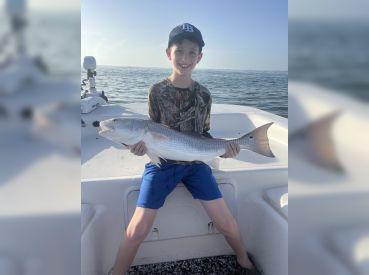
Gentle beast reeled in out of Venice, FL
Where & When
Tarpon like warm temperate tropical and subtropical waters, and can be found as far north as Long Island and down south to Brazil, east until the end of the Texas coastline and west to the brinks of Africa.
When spawning during spring, females lay millions of eggs offshore, which drift freely to the shoreline, entering freshwater streams, where they hatch. Young tarpon spend their developing years close to shore, only to venture out into the ocean upon maturing, where they become hard to trace. Due to this, optimal waters to target them in will be shallow flats to nearshore waters up to 40–50' deep.
The Kings are able to thrive in shallow, deoxigenated, waters due to their unique ability to gulp air into their air bladder by rolling at the surface. They feed at dawn and at dusk, so the best times during the day will be around 5:00 A.M. and 5:00 P.M.
Tarpon is good to fish wherever you are in Florida, the most notable fishing grounds including:
Gulf coast: Up from Homossassa, through the Tampa Bay area, including Clearwater and St Pete, the island of Boca Grande (the oldest and hottest tarpon fishery) down over Sarasota, Captiva, Estero and Sanibel islands, to Naples and the Everglades. The best time will be May to July.
Atlantic coast: From Jacksonville Beach southwards across St Augustine, Jupiter, to Boca Raton, Ft Lauderdale, Miami (Biscayne Bay) and throughout the Keys, with Islamorada, Marathon and Key West being hotspots. August, September and early October are best months for the northern part, April, May and June for the Keys.
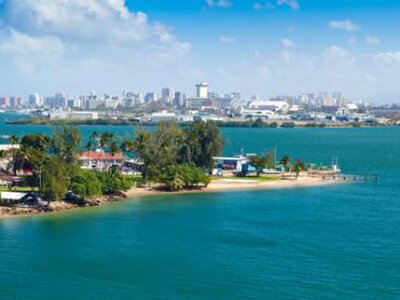
If you're planning on going out of country, San Juan in Puerto Rico is home to very fertile inlets, hosting Tarpon year round.

The bliss of landing your first Tarpon, courtesy of Puerto Rico Magic Tarpon
How to catch
As fully grown Tarpon are usually invisible in deep waters, they are mostly targeted in the flats, with sight casting live bait or flies being the most popular fishing choices. Bait options include live mullet, pinfish, crabs, shrimp and similar, but casting or trolling with spoons, plugs, or artificials is also efficient.
Brutes as they are, Tarpon are actually easily scared by noises, so the vessel used should be propelled by an electric motor or, better yet, pole paddled to the spotted small pods or large schools of fish.
This is where skill and measure kick in – when spotted, you should cast your bait in front of the fish close enough for it to be seen and allow it to to drop down. In calm water this distance should be greater, so as not to frighten the fish. An experienced guide is important to have, as they will help you handle Tarpon's audacious initial runs, advise when to apply pressure/relax the line and will know whether to chase the fish or hold position.
A very important rule of thumb you should remember is "bow to the King" – when the Tarpon jumps, quickly lower the tip of your rod and push it ahead to give slack - this will help keep your line from being severed by the tarpon's gill plates and body, or your hook thrown by the frantic shaking of their massive, bony, head. One more rule – if he's a big one, never take the King fully out of the water or it might die.
For a complete overview on tackle, bait and fishing tips and techniques, head over to our exhaustive guide to Tarpon fishing in Florida.
Good to eat?
Not at all.
Regulations
USA:
- Season – always open, except for Georgia (open 3/16 -–11/30);
- Size limit (minimum) - South Carolina – 77 inches; Texas - 85 inches; Alabama - 60 inches; Florida, North Carolina, Louisiana, Mississippi - no regulations;
- Bag limit (per angler per day)* - Florida – 2 (if purchased $50 permit in pursuit of an IGFA world record - this is valid for Alabama as well, except no limit on number of Tarpon); Texas, North and South Carolina, Georgia - 1; Louisiana, Mississippi - no regulations;
Mexico – up to 2 fish, no size regulations;
Belize, Puerto Rico, US Virgin Islands – catch and release only;
* with the bag limits stated, there's really no reason not to let these dinosaur fish live to fight another day.
Habitats
Techniques
Tarpon is a majestic creature, highly sought after for its strength, stubbornness and spectacular acrobatic moves, which are often comprised of up to 10' leaps and violent body shakes aimed at release from your hook.
Otherwise known as the "Silver King," this prehistoric water dweller (with an estimated existence of about 125 million years) was one of the first saltwater species to have been declared a game fish and represents a true epitome of sport fishing.
Anglers throughout Florida are pressed on checking a Tarpon fight off their bucket list, and for a good reason – landing one represents an angling right of passage; the process leading up to that point entailing understanding this animal's motions, which is considered an artwork in and of itself.
There's a reason why the King has been around for so long – all of the years of its evolution have been invested into learning how to put up a fight. They're known for breaking lines, which usually happens as soon as they suck up the bait or rocket out of the water.

Do you think you have what it takes? You'll get hooked on hooking Tarpon.
How big
Tarpon grow slowly and can live up to 50 years. They reach reproductive maturity at 6–7 years, by when they're about 4' large. Adults (15–30 years old) average at about 5 to 6' in length and 100 to 150 lbs in weight. The majority of hooked Tarpon of all ages will be between 25 and 80l bs, whereas once in a lifetime trophy catches are monoliths of up to 8' and 300 lbs.
Gentle beast reeled in out of Venice, FL
Where & When
Tarpon like warm temperate tropical and subtropical waters, and can be found as far north as Long Island and down south to Brazil, east until the end of the Texas coastline and west to the brinks of Africa.
When spawning during spring, females lay millions of eggs offshore, which drift freely to the shoreline, entering freshwater streams, where they hatch. Young tarpon spend their developing years close to shore, only to venture out into the ocean upon maturing, where they become hard to trace. Due to this, optimal waters to target them in will be shallow flats to nearshore waters up to 40–50' deep.
The Kings are able to thrive in shallow, deoxigenated, waters due to their unique ability to gulp air into their air bladder by rolling at the surface. They feed at dawn and at dusk, so the best times during the day will be around 5:00 A.M. and 5:00 P.M.
Tarpon is good to fish wherever you are in Florida, the most notable fishing grounds including:
Gulf coast: Up from Homossassa, through the Tampa Bay area, including Clearwater and St Pete, the island of Boca Grande (the oldest and hottest tarpon fishery) down over Sarasota, Captiva, Estero and Sanibel islands, to Naples and the Everglades. The best time will be May to July.
Atlantic coast: From Jacksonville Beach southwards across St Augustine, Jupiter, to Boca Raton, Ft Lauderdale, Miami (Biscayne Bay) and throughout the Keys, with Islamorada, Marathon and Key West being hotspots. August, September and early October are best months for the northern part, April, May and June for the Keys.
If you're planning on going out of country, San Juan in Puerto Rico is home to very fertile inlets, hosting Tarpon year round.

The bliss of landing your first Tarpon, courtesy of Puerto Rico Magic Tarpon
How to catch
As fully grown Tarpon are usually invisible in deep waters, they are mostly targeted in the flats, with sight casting live bait or flies being the most popular fishing choices. Bait options include live mullet, pinfish, crabs, shrimp and similar, but casting or trolling with spoons, plugs, or artificials is also efficient.
Brutes as they are, Tarpon are actually easily scared by noises, so the vessel used should be propelled by an electric motor or, better yet, pole paddled to the spotted small pods or large schools of fish.
This is where skill and measure kick in – when spotted, you should cast your bait in front of the fish close enough for it to be seen and allow it to to drop down. In calm water this distance should be greater, so as not to frighten the fish. An experienced guide is important to have, as they will help you handle Tarpon's audacious initial runs, advise when to apply pressure/relax the line and will know whether to chase the fish or hold position.
A very important rule of thumb you should remember is "bow to the King" – when the Tarpon jumps, quickly lower the tip of your rod and push it ahead to give slack - this will help keep your line from being severed by the tarpon's gill plates and body, or your hook thrown by the frantic shaking of their massive, bony, head. One more rule – if he's a big one, never take the King fully out of the water or it might die.
For a complete overview on tackle, bait and fishing tips and techniques, head over to our exhaustive guide to Tarpon fishing in Florida.
Good to eat?
Not at all.
Regulations
USA:
- Season – always open, except for Georgia (open 3/16 -–11/30);
- Size limit (minimum) - South Carolina – 77 inches; Texas - 85 inches; Alabama - 60 inches; Florida, North Carolina, Louisiana, Mississippi - no regulations;
- Bag limit (per angler per day)* - Florida – 2 (if purchased $50 permit in pursuit of an IGFA world record - this is valid for Alabama as well, except no limit on number of Tarpon); Texas, North and South Carolina, Georgia - 1; Louisiana, Mississippi - no regulations;
Mexico – up to 2 fish, no size regulations;
Belize, Puerto Rico, US Virgin Islands – catch and release only;
* with the bag limits stated, there's really no reason not to let these dinosaur fish live to fight another day.